
There are nights when takeout sounds perfect — but waiting 45 minutes for delivery doesn’t. That’s exactly where this shrimp stir fry with noodles earns its spot on your weekly rotation. It’s on the table in 25 minutes, uses one pan, and honestly tastes better than most things that show up in a bag at your door.
Here’s the thing most recipes don’t tell you: two decisions make or break this dish. Which noodle you use, and when you add the shrimp back. Get those right, and everything else takes care of itself.
Why This Shrimp Stir Fry with Noodles Works So Well
This isn’t just another weeknight stir fry — and here’s why it actually delivers:
- No soggy, watery sauce. The technique section below fixes that for good. First, you’ll understand why it happens. Then you’ll never deal with it again.
- One pan, minimal cleanup. The wok does everything: shrimp, vegetables, noodles, sauce. The noodle pot is the only other thing to wash.
- Built for real pantries. Frozen shrimp work great. Spaghetti from the pantry works too. So do broccoli, snap peas, carrots, bell peppers — whatever’s around.
- High-protein and genuinely filling. Each serving delivers roughly 32g of protein. Plus, it keeps well for three days, so it’s also great for meal prep.
The Ingredients You’ll Need
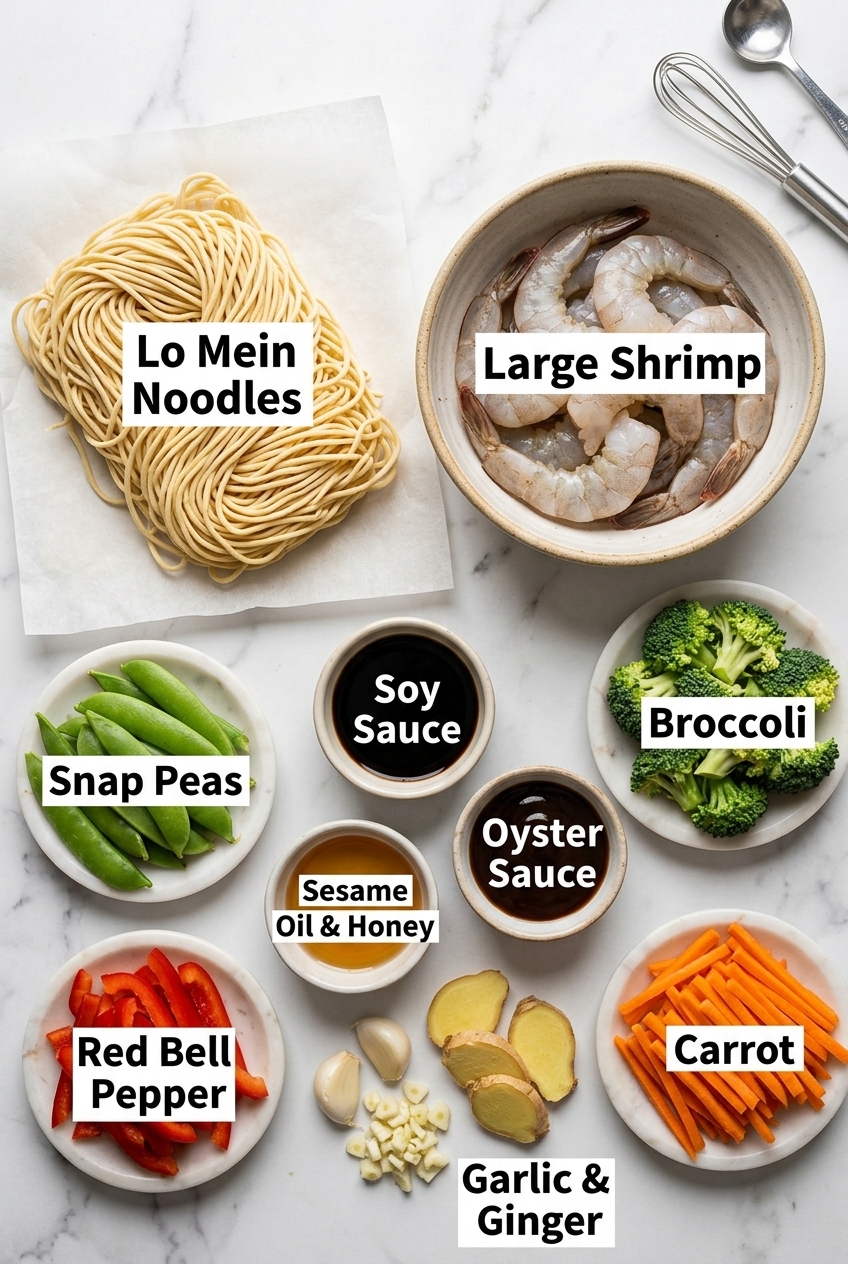
The Noodles
Lo mein noodles (8 oz / 225g) — The classic choice for that takeout-style result. They’re chewy, slightly springy, and absorb sauce beautifully. In fact, these are the noodles most Chinese restaurants use. Cook them one minute under the package time — they’ll finish in the wok.
*Not sure which noodle to grab? See the full Noodle Selector section below.*
The Shrimp
Large shrimp, 1 lb / 450g (31–35 count), peeled and deveined — Size matters here. Large shrimp give you a comfortable 2-minute cook window before they toughen up. Smaller shrimp cook in seconds and are much harder to time. Frozen shrimp work perfectly — just thaw and pat dry.
Salt and black pepper — A light seasoning before searing. Simply season right before they hit the pan, not earlier.
The Vegetables
Broccoli florets (1 cup / 90g) — Cut small so they cook fast. Also, they stay a beautiful deep green at high heat.
Red bell pepper, julienned (1 medium) — Adds natural sweetness and that bright red color that makes the dish look stunning.
Snap peas (1 cup / 65g) — Crisp, fast-cooking, and naturally sweet. They don’t need more than a minute or two.
Carrot, julienned (1 medium / about ½ cup / 55g) — Cut into strips roughly the same length as your noodles. This helps everything toss together evenly with tongs.
Garlic (3 cloves, minced) and fresh ginger (1 tsp, grated) — The aromatic base. Don’t skip the ginger — it’s what separates this from a plain soy noodle bowl.
The Sauce
Soy sauce (3 tbsp) — The salty, umami backbone of the sauce. Use tamari if you need gluten-free.
Oyster sauce (2 tbsp) — This is the ingredient most home cooks skip, and it’s the one that makes this taste like actual takeout. It adds a rich, savory depth that soy sauce alone just can’t replicate. Trust me on this one.
Sesame oil (1 tsp) — For flavor, not for cooking. Add it to the sauce bowl, not directly to the hot pan.
Honey (1 tbsp) — Balances the salt. Brown sugar or maple syrup works as an easy swap.
Cornstarch (1 tsp) + water (2 tbsp) — Whisked into the sauce so it thickens and clings to every noodle in that glossy, coating way you want.
Neutral oil (2 tbsp, divided) — For searing. Vegetable, avocado, or canola all work — anything with a high smoke point.
Garnish: 2 scallions (sliced) + 1 tsp sesame seeds — Technically optional. But they finish the dish in a way that makes it look like you really knew what you were doing.
Why Your Stir Fry Goes Watery — And the Fix
This is the section most recipes skip entirely. So let’s fix it before we cook.
The Real Reason It Happens
When you crowd a pan, the temperature drops the moment cold food hits it. Instead of searing, the shrimp and vegetables start releasing moisture — and that moisture has nowhere to go. So everything steams instead of frying. The result? A pale, watery mess instead of the glossy, restaurant-quality bowl you were going for.
The fix is simple: work in batches. Never add more shrimp than fits in a single layer. Don’t rush all the vegetables in together. And make sure your pan is genuinely, properly hot before anything goes in.
A carbon-steel wok is the single best upgrade you can make for this dish. It heats faster than any non-stick pan and handles much higher temperatures. However, a large 12-inch stainless skillet works too — just get it ripping hot before the oil goes in.
The Shrimp Rule
Pat the shrimp completely dry with paper towels before they go anywhere near the pan. Any surface moisture creates steam the second it hits the heat — and steamed shrimp turn rubbery. Also, don’t season them until right before cooking.
Cook them 1–2 minutes per side. Then remove them from the pan entirely. You’ll fold them back in at the very end, off the heat, just to warm through. (This step makes all the difference.)
The Noodle Selector Guide
Here’s what no other shrimp stir fry recipe gives you: a real side-by-side comparison so you can choose based on what’s in your pantry — or what result you actually want.
Lo Mein Noodles — The Classic
Chewy, slightly springy, and the best choice for that takeout flavor. Cook them one minute under the package time, drain, rinse under cold water, and toss with a drop of oil so they don’t clump. If you love working with this noodle-care technique, you’ll also enjoy this Creamy Lemon Garlic Pasta — same approach, totally different flavor.
Rice Noodles — The Gluten-Free Option
Lighter texture, slightly translucent, and a great match with sesame-based sauces. Soak them in hot (not boiling) water until just pliable — don’t boil them. They’ll finish cooking in the wok and absorb the sauce beautifully.
Udon Noodles — The Thick & Chewy Option
Dense and spongy, udon soaks up bold sauces better than any other noodle here. Pre-cooked udon packs — usually found in the refrigerated Asian section — are an excellent weeknight shortcut. Simply add them straight to the wok.
Spaghetti or Linguine — The Pantry Swap
Yes, it actually works. Cook it al dente, rinse under cold water, and treat it exactly like lo mein. The texture is slightly firmer, but the result is genuinely good. For another one-pan pasta dinner on a busy night, this One-Pot Tomato Spinach Pasta with Chicken uses the same weeknight logic with a completely different profile.
The Sauce Breakdown
The Core Formula
Mix everything together in a bowl before you turn on the stove. This is important — stir frying moves fast, and you won’t have time to measure once the heat is on.
Whisk together: 3 tbsp soy sauce, 2 tbsp oyster sauce, 1 tsp sesame oil, 1 tbsp honey, 1 tsp cornstarch, 2 tbsp water. That’s it. The cornstarch activates as it hits the hot wok, turning the sauce thick and glossy in about 30 seconds.
Sauce Substitution Table
Don’t have everything on the list? Here’s what swaps in without ruining the dish:
| Original | Substitute | Notes |
|---|---|---|
| Oyster sauce | Hoisin sauce + dash of fish sauce | Slightly sweeter result |
| Soy sauce | Tamari or coconut aminos | 1:1 swap; coconut aminos is lower sodium |
| Sesame oil | Toasted sesame seeds + neutral oil | Use half the amount |
| Honey | Brown sugar or maple syrup | Equal measure, same result |
Step-by-Step: How to Make Shrimp Stir Fry with Noodles
Step 1: Make the Sauce
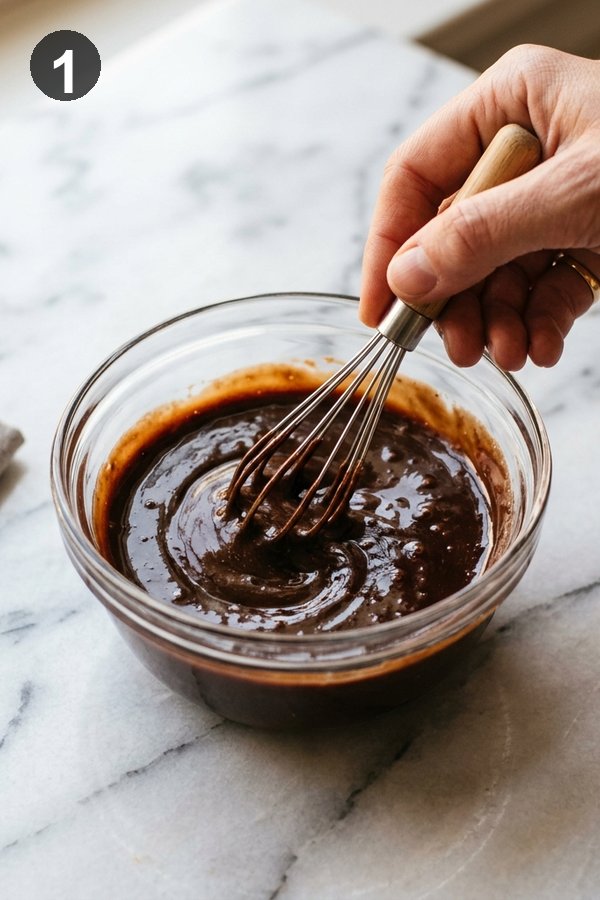
Whisk together the soy sauce, oyster sauce, sesame oil, honey, cornstarch, and water in a small bowl until completely smooth. Set it somewhere close — once the wok is hot, you’ll need it within arm’s reach.
Step 2: Cook the Noodles
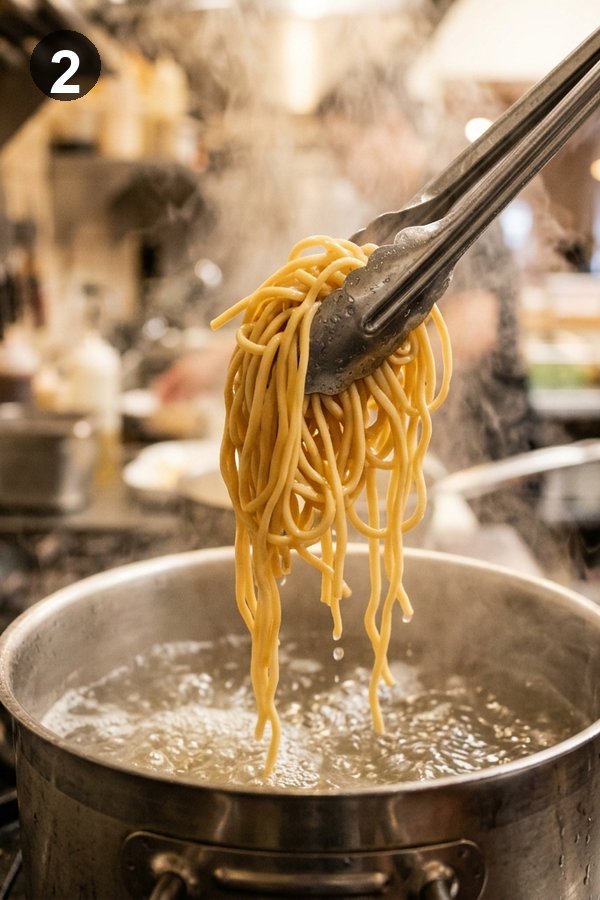
Boil your noodles one minute under the package’s suggested time. They should be slightly firm — they’ll finish cooking in the wok. Then drain, rinse under cold water to stop the cooking, and toss with a small drop of neutral oil to prevent sticking. Set aside.
Step 3: Prep the Shrimp
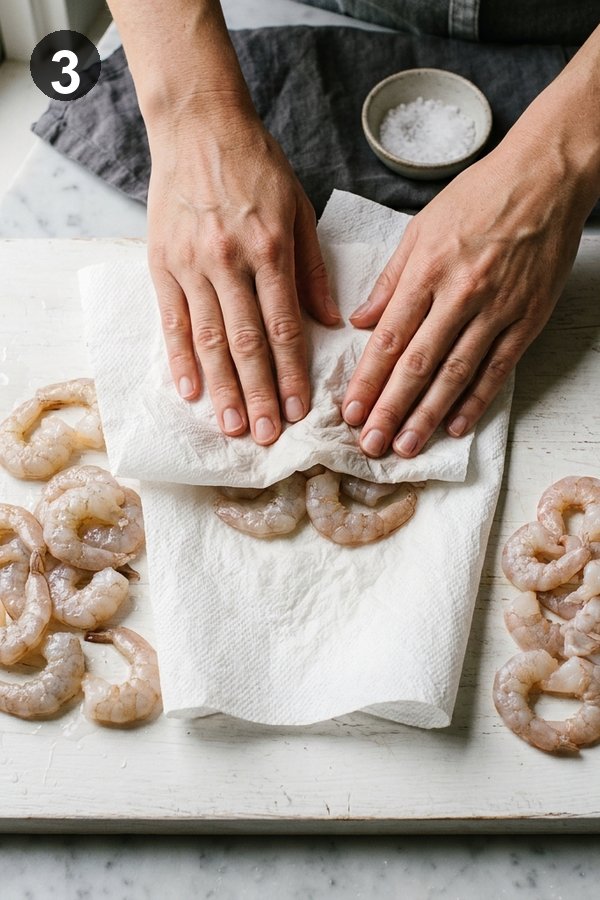
Pat the shrimp completely dry with paper towels. This step is non-negotiable — any moisture left on the surface prevents a proper sear. Next, season lightly with salt and pepper right before they hit the pan.
Step 4: Sear the Shrimp
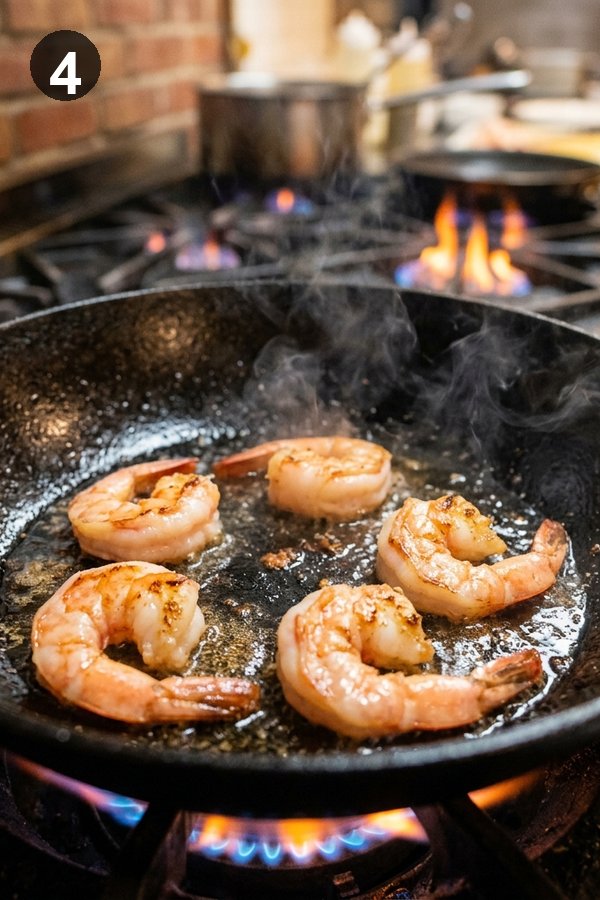
Heat your wok or skillet over high heat for about 2 minutes, until it’s genuinely hot. Add 1 tbsp of oil and let it shimmer. Add the shrimp in a single layer — don’t overlap them. Let them cook untouched for 1–2 minutes. Flip, then cook one more minute until just pink and opaque. Remove to a plate. They’ll look slightly undercooked at the center — that’s exactly right. They’ll finish off the heat in Step 8.
Step 5: Stir-Fry the Vegetables
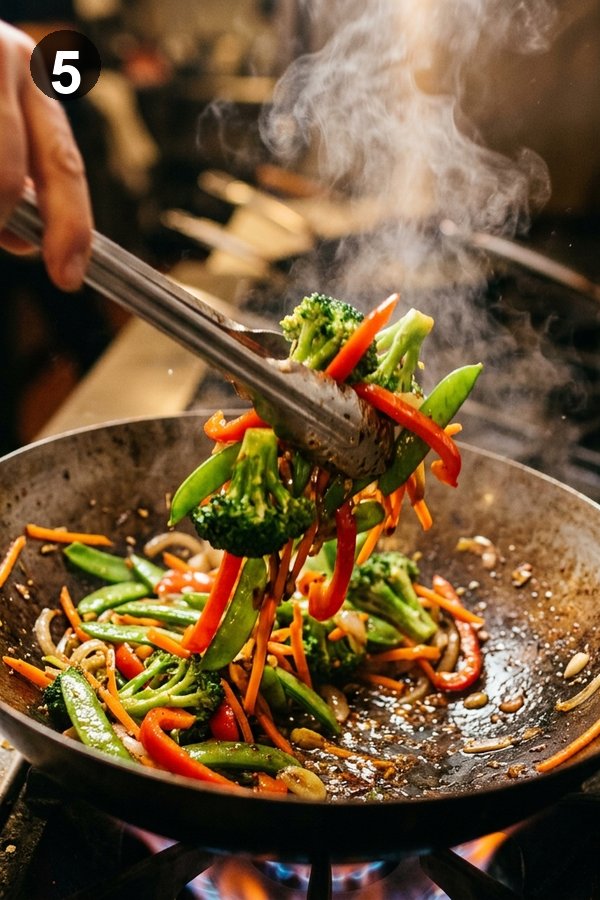
Add the remaining 1 tbsp oil to the same wok over high heat. First, add the garlic and ginger. Stir for 30 seconds — it’ll start to smell amazing. Then add the broccoli and carrots and toss for 2 minutes. Next, add the bell pepper and snap peas. Cook 1–2 minutes more, until everything is bright, crisp, and just tender.
Step 6: Add the Noodles
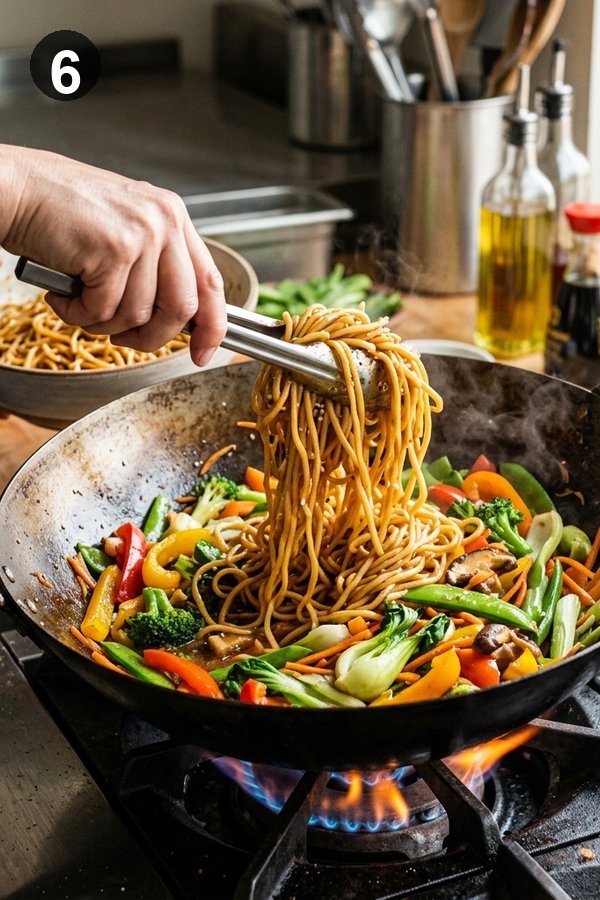
Add the cooked noodles to the wok. Use tongs to lift and fold the noodles through — don’t stir in circles, or they’ll bunch up in the middle. Toss for about 1 minute until the noodles are heated through and woven through the vegetables.
Step 7: Add the Sauce
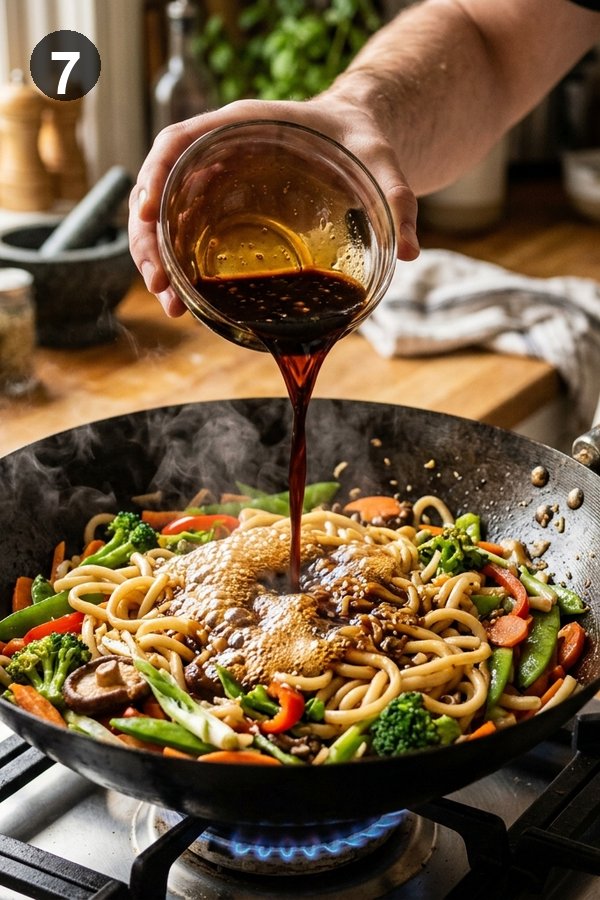
Pour the sauce into the center of the wok. Let it bubble for 20–30 seconds without touching it — this is when the cornstarch activates and the sauce thickens. Then toss everything together until every noodle and vegetable is evenly coated. The sauce should look glossy and clingy, not watery.
Step 8: Return the Shrimp
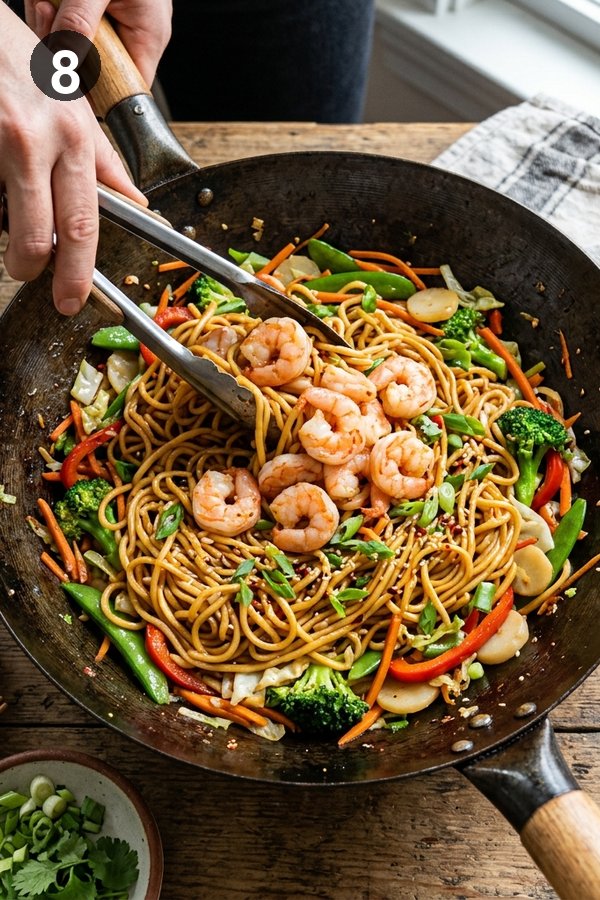
Remove the wok from heat. Fold the shrimp back in and toss gently to combine. The residual heat warms them through without any further cooking. Plate immediately and finish with sliced scallions and sesame seeds.
Customizing Your Shrimp Stir Fry
Gluten-Free: Simply swap in rice noodles, tamari instead of soy sauce, and gluten-free oyster sauce. Everything else stays the same.
High-Protein: Double the shrimp to 1.5 lb and add ½ cup edamame at the same time as the snap peas. Also works great for meal prep — it reheats well for lunch the next two days.
Low-Carb / Keto: Instead of noodles, use shirataki noodles or spiralized zucchini. Reduce the honey to ½ tsp or skip it. The sauce still works beautifully.
Vegetarian: Replace the shrimp with extra-firm tofu — press it for 30 minutes first, cut into cubes, and sear the same way. Swap the oyster sauce for hoisin. For another weeknight protein idea, our Grilled Lemon Chicken uses similar pantry staples with a completely different flavor direction.
Spicy version: Add 1–2 tsp chili garlic sauce or Sambal Oelek directly to the sauce mixture before cooking.
A Few Tiny Secrets for a Perfect Result
- Prep everything before you turn on the stove. Stir frying is about 10 minutes of fast-moving, active cooking. So have the sauce mixed, noodles cooked, vegetables cut, and shrimp dried before the heat goes on. If you’re still chopping when the wok is hot, something will overcook.
- Use tongs, not a spoon. Tongs let you lift and fold the noodles through the vegetables instead of pushing everything in circles. It’s a small habit that makes a big difference in how evenly the dish comes together.
- Cut your vegetables like your noodles. Julienne the carrots and peppers into strips roughly the same length as your noodles. Everything mixes more naturally, and every bite gets a little of everything.
- Don’t skip the cold rinse. Rinsing boiled noodles under cold water stops the cooking and washes off surface starch. Without it, noodles stick together and absorb all the sauce before it reaches the vegetables.
- Let the sauce bubble before you toss. Pour it into the center of a hot pan and give it 20–30 seconds before tossing. That’s when it goes from thin and loose to the glossy, coating sauce you want.
Storage & Reheating
Store leftovers in an airtight container in the fridge for up to 3 days. To reheat, use a wok or skillet over high heat with 1 tablespoon of water — this loosens the sauce and brings the noodles back to life. Avoid microwaving the noodles alone; they turn gummy quickly.
For meal prep, store the shrimp, noodles, and vegetables separately. Combine them fresh when you’re ready to eat — this keeps everything at the right texture.
Freezing the full assembled dish isn’t recommended. However, you can freeze the shrimp and sauce separately for up to 2 months and assemble fresh noodles when you’re ready.
What to Serve With Shrimp Stir Fry with Noodles
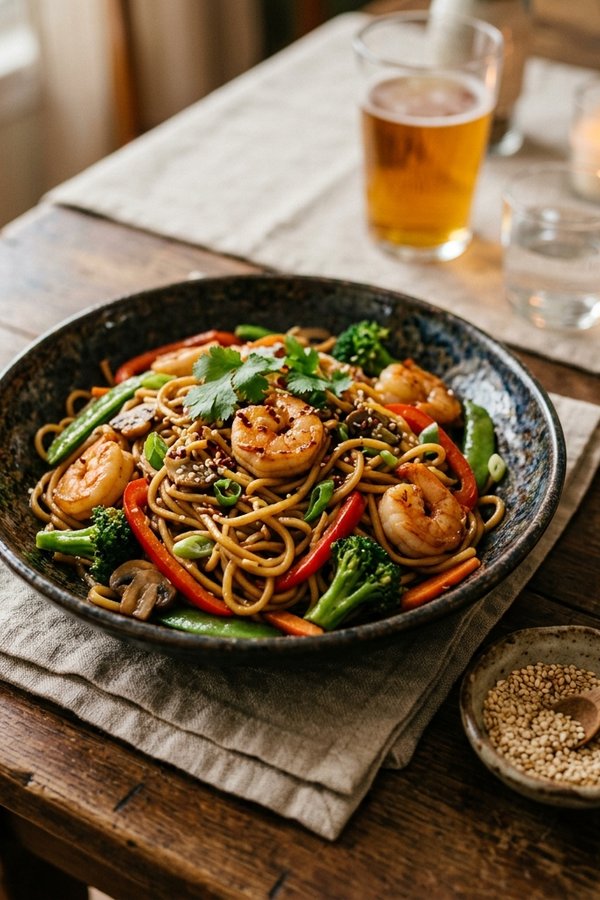
This dish is a full meal in one bowl, but it rounds out easily for a bigger spread or a dinner with friends.
Drinks
- Iced jasmine green tea — the floral notes cut through the savory sauce nicely
- Sparkling water with a slice of cucumber — light and refreshing between bites
- A cold light lager, if you want something a little more relaxed
Light Starters
- Fresh Spring Rolls with Peanut Sauce — same Asian flavor family, no-cook, great for sharing
- Simple miso soup — quick to make and ready before the stir fry is done
Other Weeknight Dinner Ideas
- Slow Cooker Beef Barbacoa — for nights when you want something hands-off and hearty
- Grilled Lemon Chicken — a lighter protein that pairs with the same vegetable sides
Honestly, this one doesn’t need much company. On most nights, it’s exactly enough on its own.
Nutrition Info
These are estimates based on 1 serving (¼ of the full recipe, sauce included). Actual values will vary depending on brands used.
| Calories | ~420 kcal |
|---|---|
| Carbohydrates | ~48g |
| Fat | ~10g |
| Protein | ~32g |
| Sugar | ~6g |
| Fiber | ~4g |
| Sodium | ~980mg |
Common Questions & Easy Fixes
1. What are the best noodles for shrimp stir fry?
Lo mein is the classic takeout-style choice — chewy and great at holding sauce. Rice noodles work for a gluten-free version, udon for something thick and hearty, and spaghetti in a pinch.
2. How do you keep shrimp from getting rubbery?
Pat them completely dry, sear on high heat for 1–2 minutes per side, then remove from the pan. Add them back off the heat at the very end.
3. What vegetables go well in shrimp noodle stir fry?
Broccoli, bell peppers, snap peas, carrots, bok choy, and bean sprouts all work. Cut everything a similar size so it cooks evenly.
4. What is the secret to a good stir-fry sauce?
Balance — soy sauce for salt, oyster sauce for depth, honey to round it out, and cornstarch to make it glossy. Also, mix it before you start cooking. The wok moves too fast for measuring mid-cook.
5. Why does my stir fry come out watery?
Almost always overcrowding. When too much goes in at once, the temperature drops and everything steams. Cook the shrimp first and remove them, then work through the vegetables in stages.
6. Can you make shrimp stir fry with noodles ahead of time?
Yes — store the components separately for best results. Noodles, shrimp, and vegetables all keep up to 3 days in the fridge. Combine and reheat in a hot wok with a splash of water.
With the right noodle, dry shrimp, and a properly hot pan, this shrimp stir fry with noodles goes from something you second-guess to something you genuinely look forward to making. Everything you need is here — the noodle selector, the shrimp timing, the sauce formula. It works the first time.
More Recipes You’ll Love
🔥 Don’t Miss: Fresh Spring Rolls with Peanut Sauce — same Asian flavor profile, no-cook and great for sharing
🔥 Don’t Miss: Creamy Lemon Garlic Pasta — silky one-pan pasta ready in 20 minutes
🔥 Don’t Miss: One-Pot Tomato Spinach Pasta with Chicken — same one-pan concept, bold Italian flavors
🔥 Don’t Miss: Grilled Lemon Chicken — light and fresh protein for any weeknight
Ingredients
Method
- Whisk soy sauce, oyster sauce, sesame oil, honey, cornstarch, and water in a small bowl until smooth. Set aside close to the stove.

- Boil noodles 1 minute under package time. Drain, rinse under cold water. Toss with a drop of oil to prevent sticking. Set aside.
- Pat shrimp completely dry with paper towels. Season with salt and pepper right before cooking.
- Heat wok on high 2 minutes. Add 1 tbsp oil and let it shimmer. Sear shrimp in a single layer 1-2 min per side until pink. Remove to a plate.
- Add remaining 1 tbsp oil to wok. Add garlic and ginger, stir 30 seconds until fragrant. Add broccoli and carrot, cook 2 min. Add bell pepper and snap peas, cook 1-2 min until crisp-tender.
- Add noodles to wok. Use tongs to lift and fold, not stir in circles. Cook 1 minute until heated through.
- Pour sauce into center of wok. Let bubble 20-30 seconds without stirring. Toss everything until evenly coated and glossy.
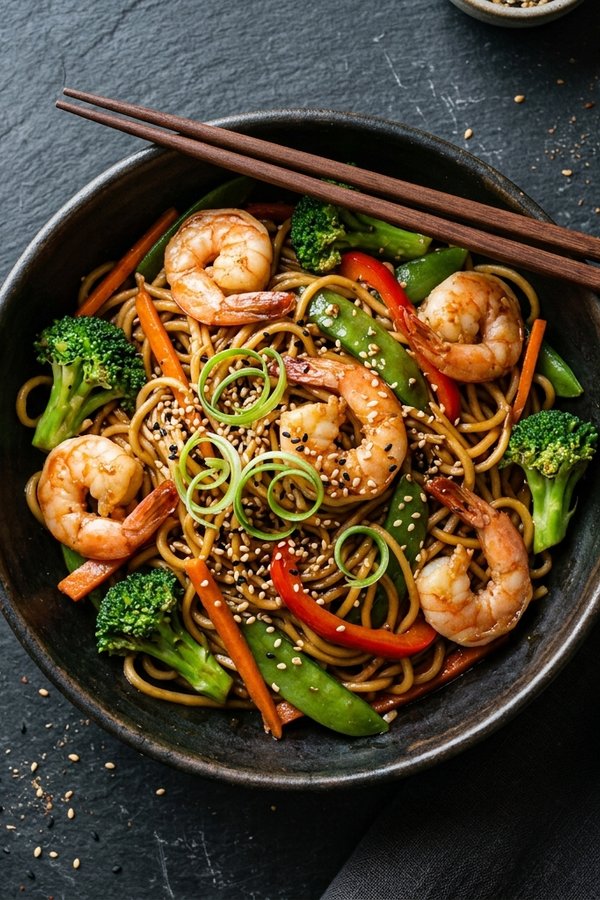
- Remove wok from heat. Fold shrimp back in, toss gently. Plate immediately. Garnish with scallions and sesame seeds.