
Fresh spring rolls with peanut sauce are one of those meals that feel fancy—but secretly aren’t. You get crisp veggies, tender shrimp, soft rice noodles, and a creamy, slightly sweet peanut dip… all wrapped into something light and refreshing. No heavy cooking, no greasy cleanup, and honestly? Once you try making them at home, takeout just won’t hit the same.
Why This Recipe Just Works (Even On Chaotic Weekdays)
You know those days when you want something healthy… but also fast… but also satisfying? Yeah, this is that meal.
Fresh spring rolls with peanut sauce check a lot of boxes without trying too hard:
- They’re quick once everything is prepped (about 30–40 minutes total)
- They’re light but filling—you won’t feel weighed down
- They’re naturally gluten-free (just swap soy sauce for tamari if needed)
- They’re meal-prep friendly, which matters more than we admit
- And maybe the best part? You can turn it into a DIY dinner moment where everyone builds their own
Honestly, it’s less like cooking and more like assembling something beautiful.
What Exactly Are Fresh Spring Rolls? (And Why Are They Different?)
Let me explain this quickly—because it matters.
Fresh spring rolls (sometimes called summer rolls) come from Vietnamese cuisine. They’re wrapped in rice paper instead of fried dough, and everything inside is fresh, crisp, and bright.
Inside a typical roll, you’ll find:
- Shrimp or another protein
- Rice vermicelli noodles
- Lettuce and crunchy vegetables
- Fresh herbs like mint and cilantro
And then there’s the peanut sauce. Thick. Creamy. Slightly sweet. Slightly salty. It’s not just a dip—it’s the thing that ties everything together.
Compared to fried egg rolls?
- These are softer, lighter, and way lower in oil
- You actually taste the ingredients instead of just crunch
Let’s Talk Ingredients
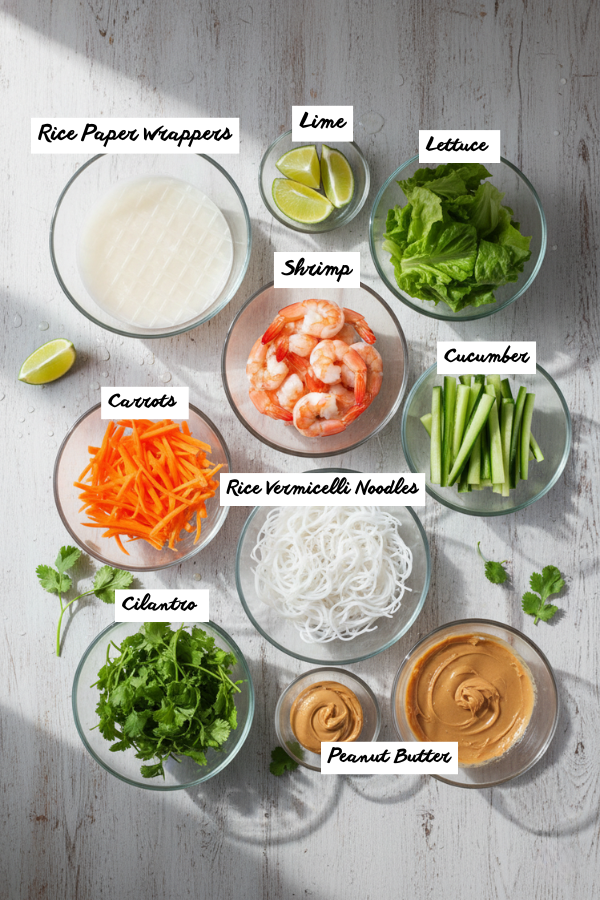
The Essentials For The Rolls
You don’t need anything complicated here. Just fresh, basic ingredients:
- Rice paper wrappers (look for 8–9 inch rounds)
- Cooked shrimp (or chicken, tofu—your call)
- Rice vermicelli noodles
- Lettuce (butter lettuce works best)
- Julienned carrots
- Cucumber strips
- Bell peppers
- Fresh herbs (mint is non-negotiable if you want that real flavor)
The Peanut Sauce (The Real Star)
Here’s the thing—people remember the sauce more than the rolls.
You’ll need:
- Creamy peanut butter
- Soy sauce (or tamari)
- Fresh lime juice
- Honey or maple syrup
- Garlic
- Warm water (to loosen it up)
Optional, but worth it:
- A little sriracha for heat
- A splash of hoisin sauce for depth
Whisk it until smooth. Taste it. Adjust. It should feel balanced—rich but not heavy.
Step-by-Step Instructions
Step 1: Prep Everything First
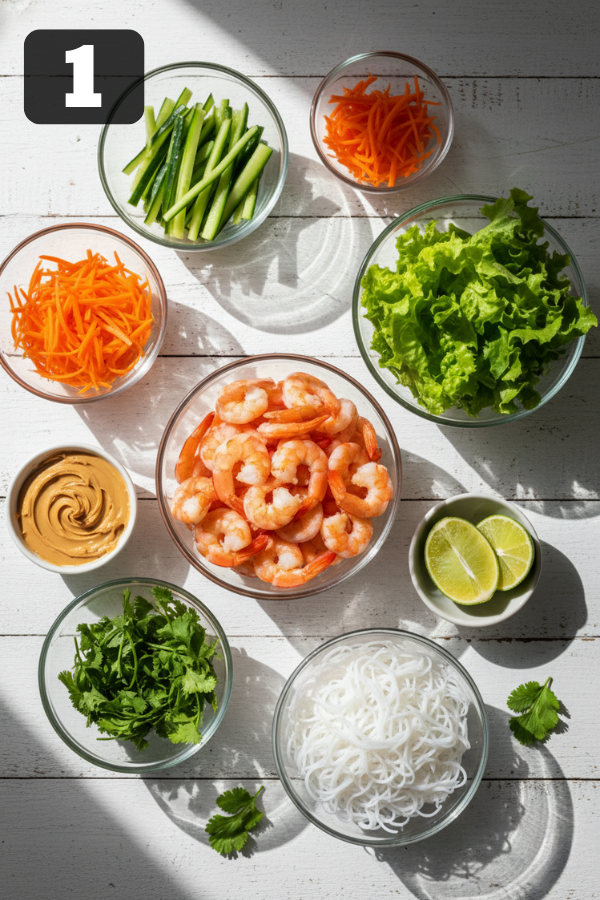
This is not the time to multitask.
- Cook shrimp (2–3 minutes until pink)
- Boil noodles (3–5 minutes, then rinse cold)
- Slice vegetables thin and even
Trust me—having everything ready makes rolling so much easier.
Step 2: Make The Peanut Sauce
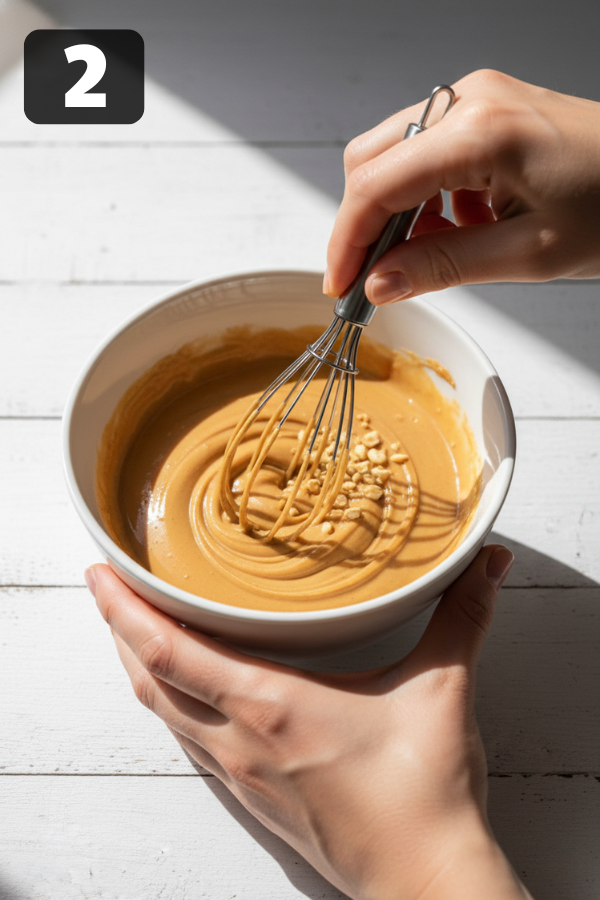
In a bowl, whisk:
- Peanut butter
- Soy sauce
- Lime juice
- Sweetener
- Garlic
Then add warm water slowly until it’s smooth and pourable.
Taste it. Adjust it. This part matters.
Step 3: Soften The Rice Paper
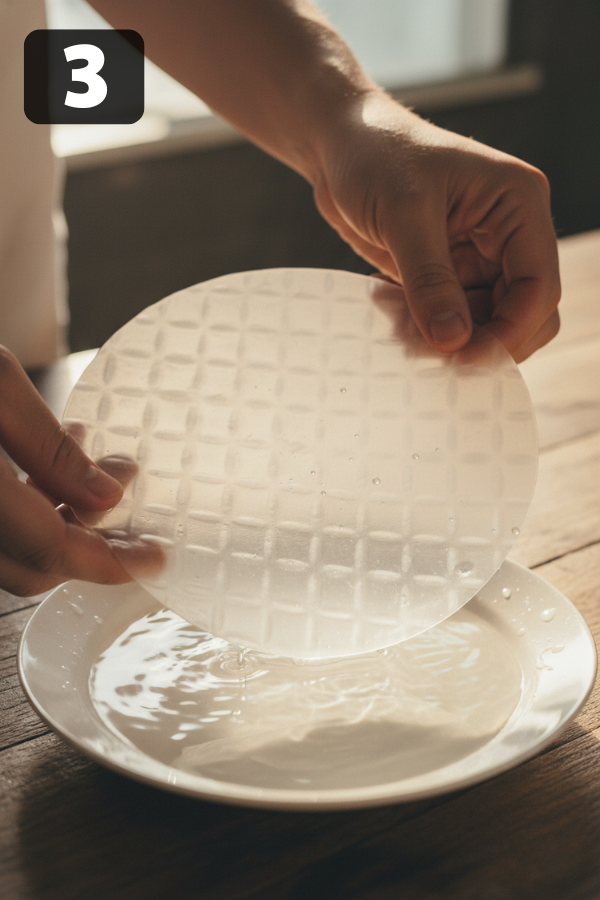
Here’s where most people mess up.
- Dip one sheet in warm water for about 5–10 seconds
- It will still feel slightly firm—that’s okay
- Lay it flat on a damp surface
If you soak too long? It turns into a sticky mess. Nobody wants tha
Step 4: Layer Like You Mean It
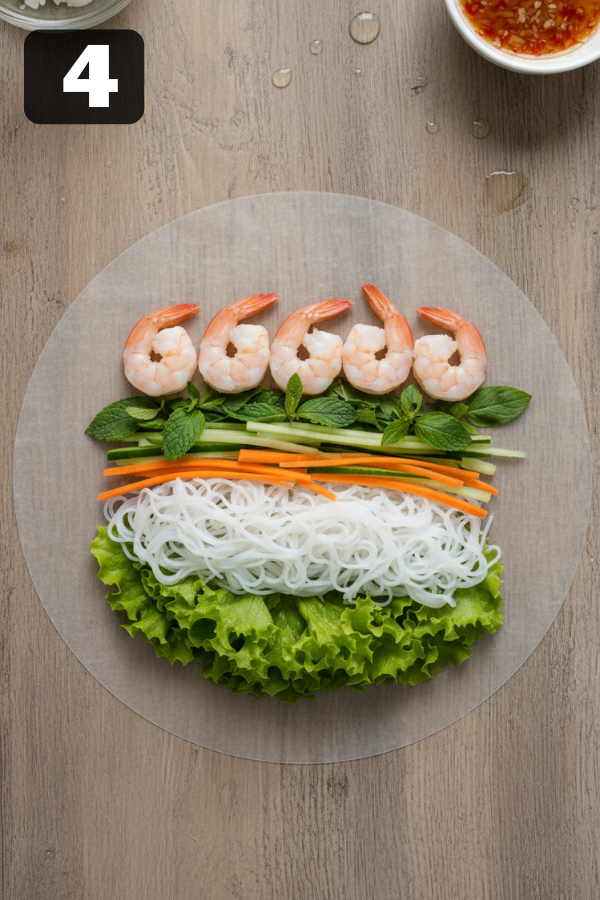
The order actually matters more than you think.
Start with:
- Lettuce (base layer)
- Noodles
- Veggies
- Herbs
- Protein on top (for that clean, pretty look)
Think of it like building a small, edible wrap—not stuffing a burrito.
Step 5: Roll It Up
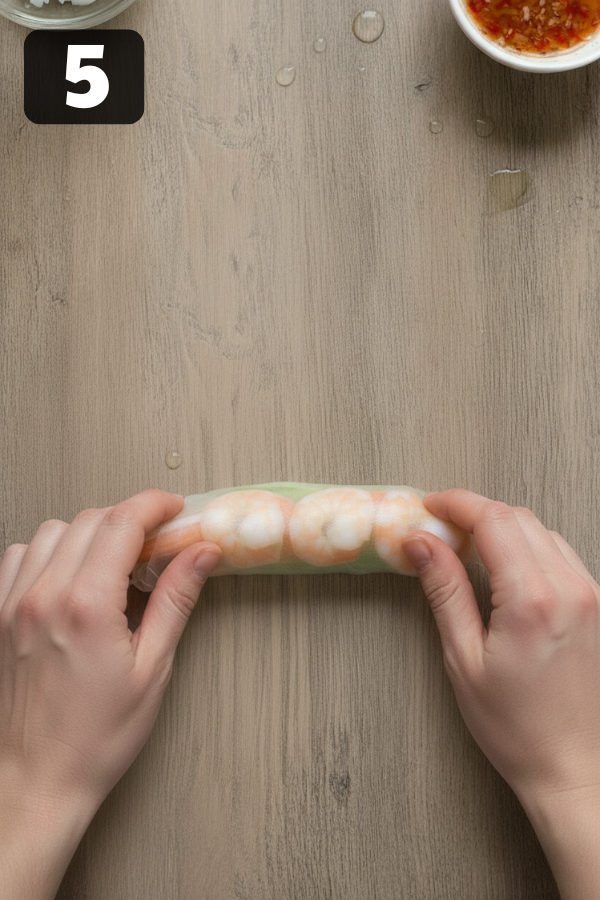
- Fold the bottom over the filling
- Tuck in the sides
- Roll tightly forward
It might feel awkward at first. That’s normal. By the third roll, you’ll get the hang of it.
Step 6: Serve Immediately
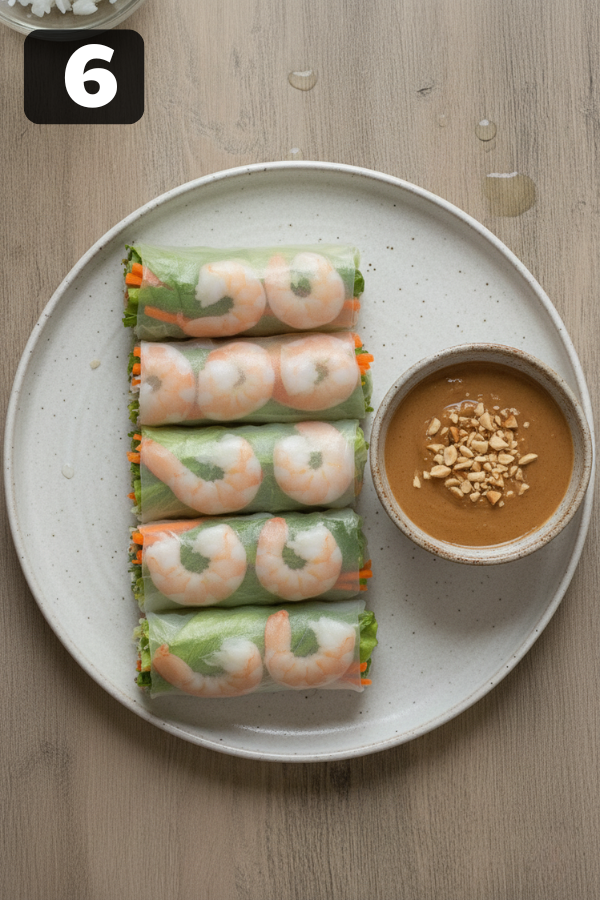
Fresh spring rolls are best right away. The texture is soft, fresh, and just slightly chewy.
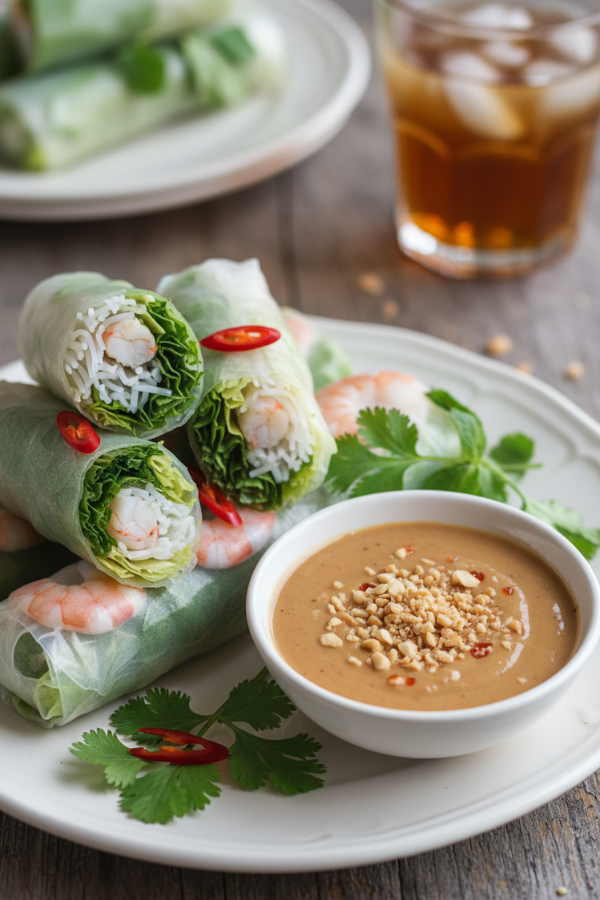
Serve with peanut sauce—and maybe sprinkle crushed peanuts on top for a little crunch.
Tips That Actually Make A Difference
Do this:
- Use warm water, not hot
- Prep everything before you start rolling
- Keep finished rolls under a damp cloth
Avoid this:
- Overfilling (they will break)
- Skipping herbs (flavor drops instantly)
- Letting rolls sit uncovered (they dry out fast)
And here’s a small tip most people don’t mention—
If your rolls keep sticking together, place parchment paper between them. Problem solved.
Storage & Leftovers (Because Life Happens)
Let’s be real—sometimes you make too many.
- Store in an airtight container in the fridge (up to 2–3 days)
- Wrap individually to prevent sticking
- Do not freeze (texture won’t survive it)
They’re still good the next day—just slightly firmer.
What To Serve With Fresh Spring Rolls
If you want to turn this into a full meal:
Sides:
- Light noodle salad
- Edamame
- Simple cucumber salad
Drinks:
- Iced green tea
- Sparkling water with lime
- A crisp white wine (Sauvignon Blanc works well)
Dessert (if you’re feeling extra):
- Mango sticky rice
- Coconut pudding
Common Problems (And Quick Fixes)
Rolls tearing?
- You soaked the wrapper too long → reduce soak time
Too sticky?
- Surface too wet → switch to damp, not soaked
Sauce too thick?
- Add warm water slowly
Flavor feels flat?
- Add more lime juice or herbs
It’s usually something small. Easy fix.
Nutrition Info
- Calories: 250–350
- Protein: 12–18g
- Carbs: 25–35g
- Fat: 10–15g
Lower in fat than fried options. High in freshness. That counts.
FAQs
- Can I make these ahead of time?
Yes—but they’re best within 24 hours. Wrap them well to keep moisture in. - Can I use chicken or tofu instead of shrimp?
Absolutely. Thin slices work best. - Is peanut sauce spicy?
Not unless you add heat. It’s usually mild and slightly sweet. - What if I don’t have rice paper?
You can use lettuce wraps, but the texture will be different. - Can I freeze them?
No. The texture won’t hold up after thawing.
Conclusion
Fresh spring rolls with peanut sauce are one of those rare recipes that feel both effortless and special. They’re light yet satisfying, simple yet full of flavor. Once you get the rhythm—dip, fill, roll—it becomes almost second nature. Whether you’re putting together a quick lunch, prepping meals for the week, or just craving something fresh, this is the kind of recipe you’ll come back to again and again.
Don’t Miss: Spicy Peanut Chicken Noodles (Easy & Delicious)
Don’t Miss: Thai Pineapple Fried Rice Recipe
Also Try: Better-Than-Takeout Shrimp Fried Rice (Easy & Delicious)
Ingredients
Method
- Step 1: Prep Everything FirstThis is not the time to multitask.Cook shrimp (2–3 minutes until pink)Boil noodles (3–5 minutes, then rinse cold)Slice vegetables thin and evenTrust me—having everything ready makes rolling so much easier.

- Step 2: Make The Peanut SauceIn a bowl, whisk:Peanut butterSoy sauceLime juiceSweetenerGarlicThen add warm water slowly until it’s smooth and pourable.Taste it. Adjust it. This part matters.
- Step 3: Soften The Rice PaperHere’s where most people mess up.Dip one sheet in warm water for about 5–10 secondsIt will still feel slightly firm—that’s okayLay it flat on a damp surfaceIf you soak too long? It turns into a sticky mess. Nobody wants tha
- Step 4: Layer Like You Mean ItThe order actually matters more than you think.Start with:Lettuce (base layer)NoodlesVeggiesHerbsProtein on top (for that clean, pretty look)Think of it like building a small, edible wrap—not stuffing a burrito.
- Step 5: Roll It UpFold the bottom over the fillingTuck in the sidesRoll tightly forwardIt might feel awkward at first. That’s normal. By the third roll, you’ll get the hang of it.
- Step 6: Serve ImmediatelyFresh spring rolls are best right away. The texture is soft, fresh, and just slightly chewy.Serve with peanut sauce—and maybe sprinkle crushed peanuts on top for a little crunch.
