
There’s something a little unfair about salted caramel cheesecake. It looks like the kind of dessert you’d order at a nice restaurant, the one that arrives with a dramatic caramel drip and a tiny fork. But honestly? You can make it at home.
And no, it doesn’t have to be perfect.
That’s the funny thing about cheesecake. People worry about cracks, tiny bubbles, uneven edges, and caramel that runs a bit too far down the side. However, salted caramel cheesecake is forgiving in the best way. A crack? Cover it with caramel. A swirl that looks messy? Call it rustic. A slice that leans a little? Still delicious.
This recipe is built for busy home cooks who want a dessert that feels special but doesn’t demand a whole weekend of stress. You’ll make a simple crust, mix a creamy filling, bake it low and slow, then let the fridge do the real work. Honestly, the hardest part is waiting.
Why You’ll Love This Recipe
This Salted Caramel Cheesecake has that sweet-salty magic that makes people go back for “just one more bite.”
Even better, it’s make-ahead friendly, so you can prepare it before the day you plan to serve it.
The filling turns out smooth, creamy, and rich without feeling too heavy.
Plus, the salted caramel adds deep buttery flavor, not just sweetness.
You only need simple grocery store ingredients, which makes the recipe feel doable even if you don’t bake often.
Because of that, it’s perfect for holidays, birthdays, Thanksgiving, Christmas, dinner parties, or even a cozy Sunday dessert.
You know what? This is also a smart dessert for people who don’t bake all the time. Cheesecake sounds fancy, but the steps are calm and clear. First, mix the crust. Then, pour in the filling. After that, bake it low and slow. Finally, chill it and top everything with caramel.
Ingredients You’ll Need
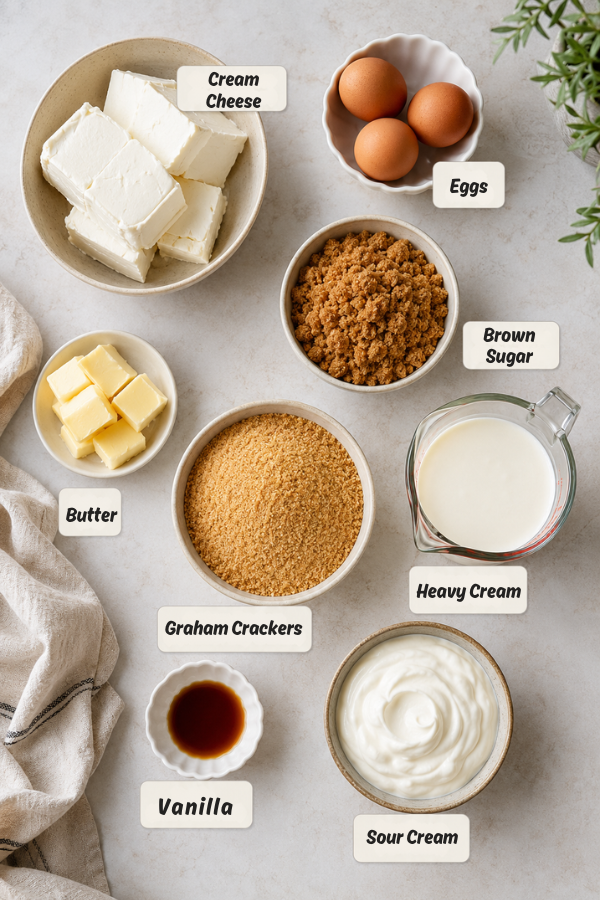
For the Crust
A good crust should be crisp, buttery, and sturdy enough to hold the filling.
You’ll need:
Graham cracker crumbs or Biscoff cookie crumbs
Melted butter
Brown sugar
A small pinch of salt
Graham crackers give you the classic cheesecake flavor. On the other hand, Biscoff cookies add a warm, spiced, caramel-like taste that works beautifully with salted caramel. If you want a cozy fall flavor, Biscoff is the way to go.
For the Cheesecake Filling
The filling is where the magic happens.
You’ll need:
Full-fat brick cream cheese
Brown sugar
Sour cream or full-fat Greek yogurt
Eggs
Vanilla extract
Salted caramel sauce
A pinch of salt
Use brick-style cream cheese, not whipped cream cheese from a tub. The tub version is softer and can make the filling loose. Also, let the cream cheese sit at room temperature before mixing. Cold cream cheese is the main reason cheesecake batter turns lumpy.
Brown sugar gives the filling a soft caramel note even before the sauce goes in. Meanwhile, sour cream or Greek yogurt adds a slight tang, which keeps the cheesecake from tasting too sweet.
For the Salted Caramel Topping
You can use store-bought caramel in a pinch. However, homemade salted caramel gives better flavor and texture.
You’ll need:
Granulated sugar
Butter
Heavy cream
Salt
A quick note: caramel gets very hot. Use a saucepan with high sides because the mixture bubbles when cream is added. Also, keep kids away from the stove during this step.
Step-by-Step Instructions
Step 1: Make the Salted Caramel
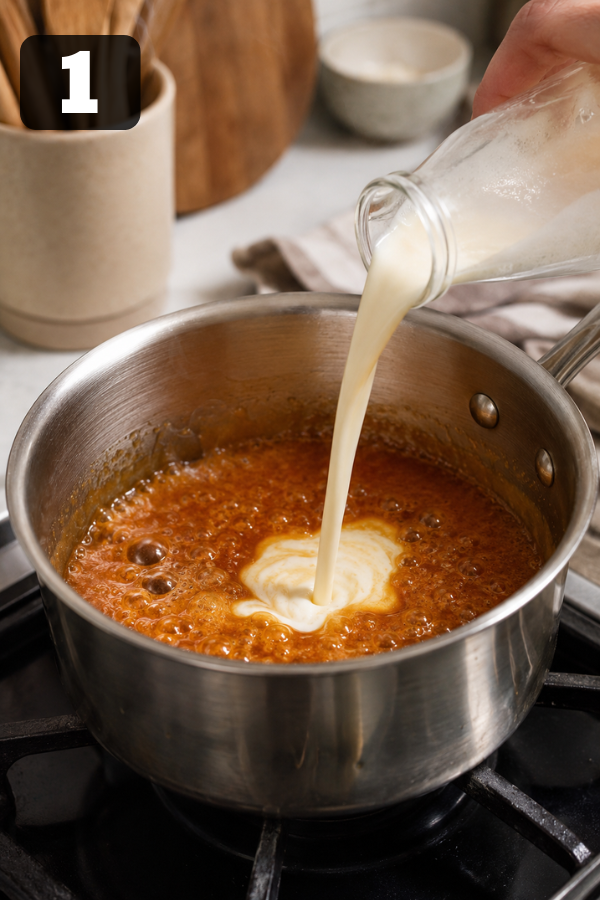
Add sugar to a saucepan and heat it over medium heat until it melts and turns amber. Stir gently as needed, but don’t rush it. Caramel can go from golden to burnt faster than a kid can ask, “Is dessert ready?”
Once the sugar is melted, add butter and whisk until smooth. Then, slowly pour in the heavy cream. The mixture will bubble up, so go slow. Finally, stir in salt and let the caramel cool.
The caramel should be thick but pourable. If it’s too hot when added to the cheesecake, it can thin out the filling. If it’s too cold, it may clump or sink.
Step 2: Prepare the Crust
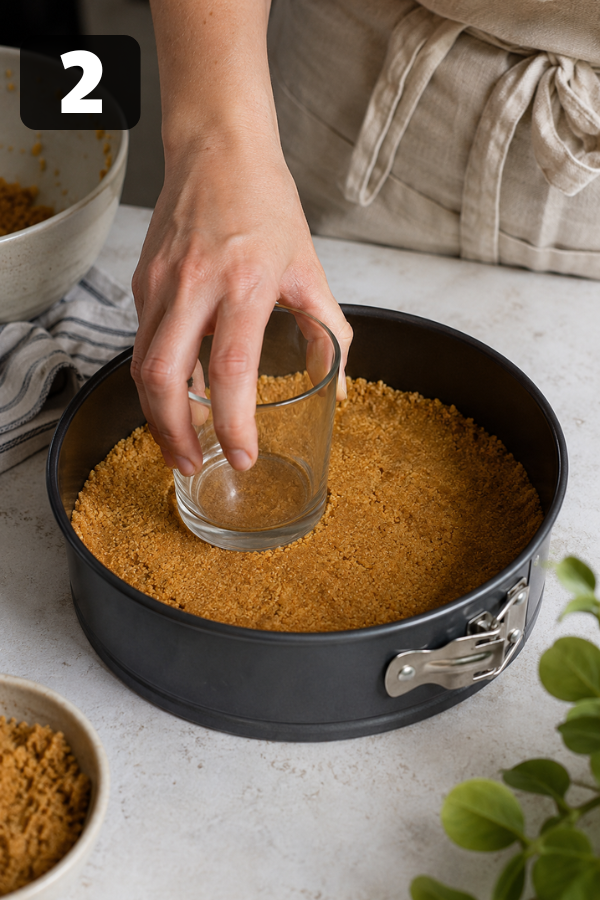
Mix the cookie crumbs, melted butter, brown sugar, and salt in a bowl. The mixture should look like wet sand.
Next, press it firmly into the bottom of a 9-inch springform pan. Use the bottom of a measuring cup to pack it down. This small step matters. A loose crust falls apart; a firm crust slices cleanly.
Bake the crust for 8–10 minutes at 325°F. Then, let it cool while you make the filling.
Step 3: Mix the Cheesecake Filling
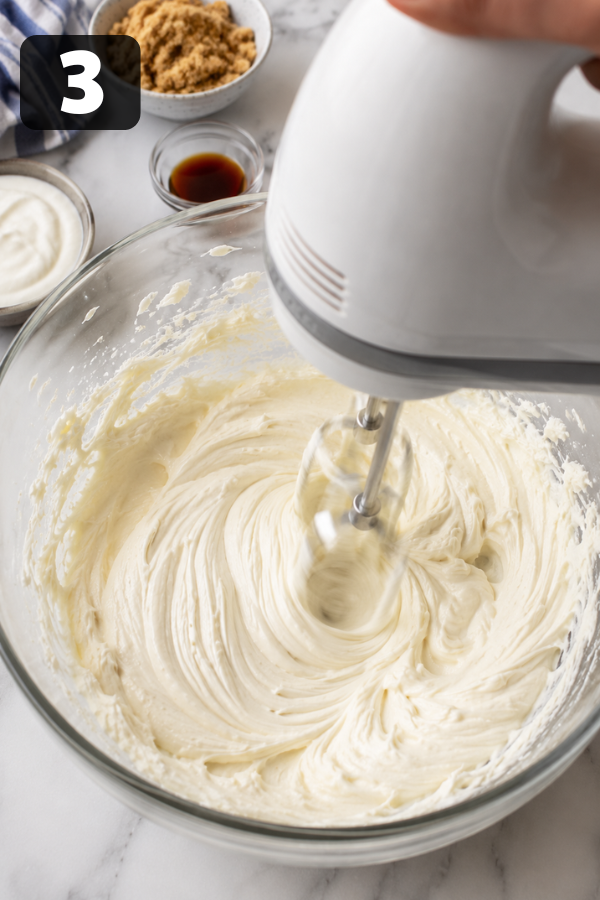
Beat the softened cream cheese until smooth. Add brown sugar and mix again. Make sure to scrape the bowl because cream cheese likes to hide on the sides.
After that, add sour cream or Greek yogurt, vanilla, salt, and cooled salted caramel. Mix until smooth.
Now add the eggs one at a time. Keep the mixer on low speed. This is not the moment to whip air into the batter. Too much air can make the cheesecake puff up in the oven, then sink and crack as it cools.
A smooth batter is the goal. Not fluffy. Smooth.
Step 4: Fill the Pan
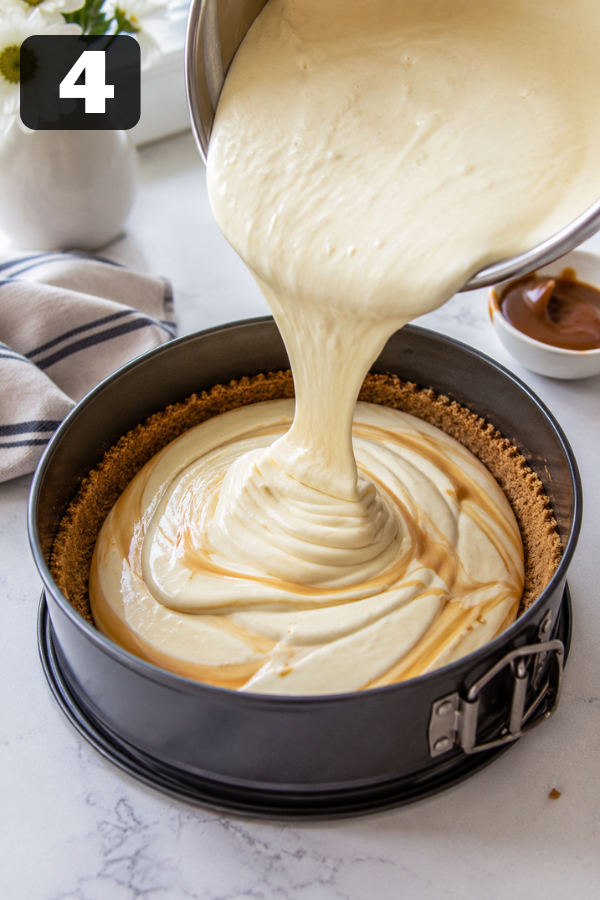
Pour the filling over the cooled crust. Then, tap the pan gently on the counter a few times to release air bubbles.
If you want extra caramel flavor, drizzle a few spoonfuls of caramel over the batter and gently swirl it with a knife. Don’t overdo it. A few lazy swirls are better than mixing it all together.
Here’s the thing: salted caramel cheesecake tastes better when the caramel shows up in layers. A little in the filling. A little swirled in. More on top. That’s how you get caramel in every bite.
Step 5: Bake Low and Slow
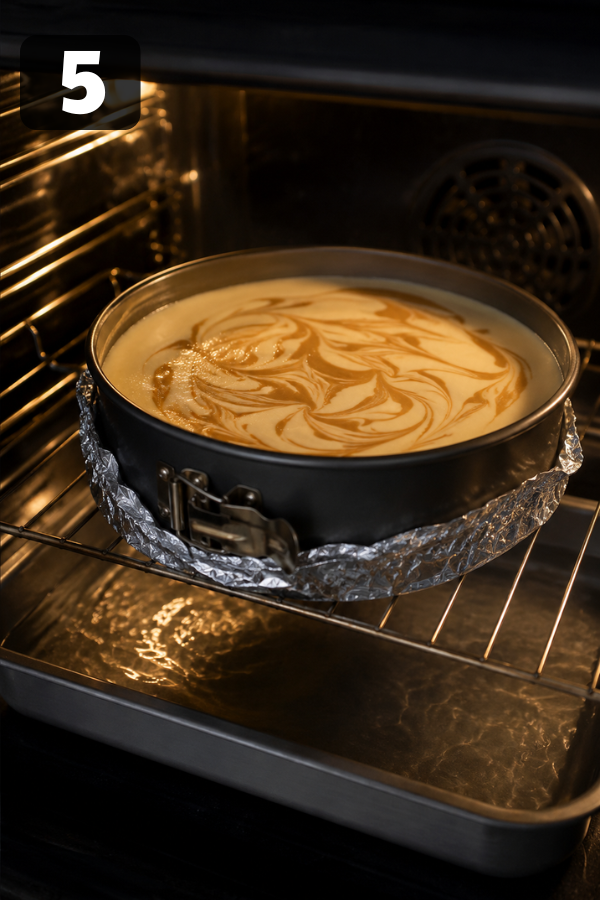
Bake the cheesecake at 325°F until the edges are set and the center still has a soft jiggle. This usually takes about 55–75 minutes, depending on your oven and pan.
For a smoother cheesecake, place a pan of hot water on the lower oven rack. This creates steam and helps prevent cracks. You can also use a traditional water bath, but the steam-pan method is simpler and less messy.
Do not bake the cheesecake until the center is firm. That usually means it’s overbaked. Instead, pull it from the oven when the center still wobbles slightly because it will finish setting as it cools.
Step 6: Cool Slowly
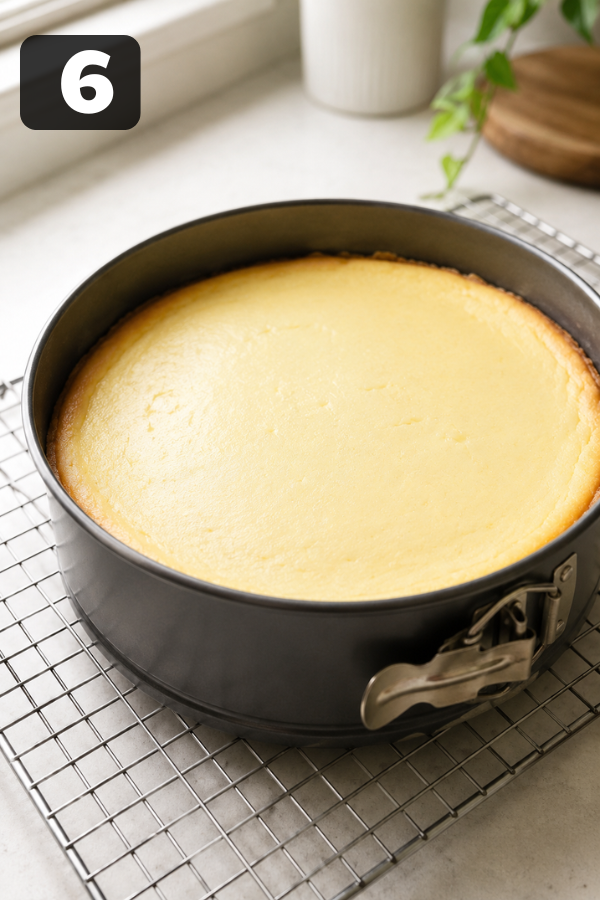
Turn off the oven and crack the door open. Let the cheesecake sit in the oven for about 30–60 minutes.
This slow cooling helps prevent sudden temperature shock. Cheesecake is a little dramatic like that. Treat it gently, and it behaves.
After that, move it to the counter until it reaches room temperature.
Step 7: Chill Until Fully Set
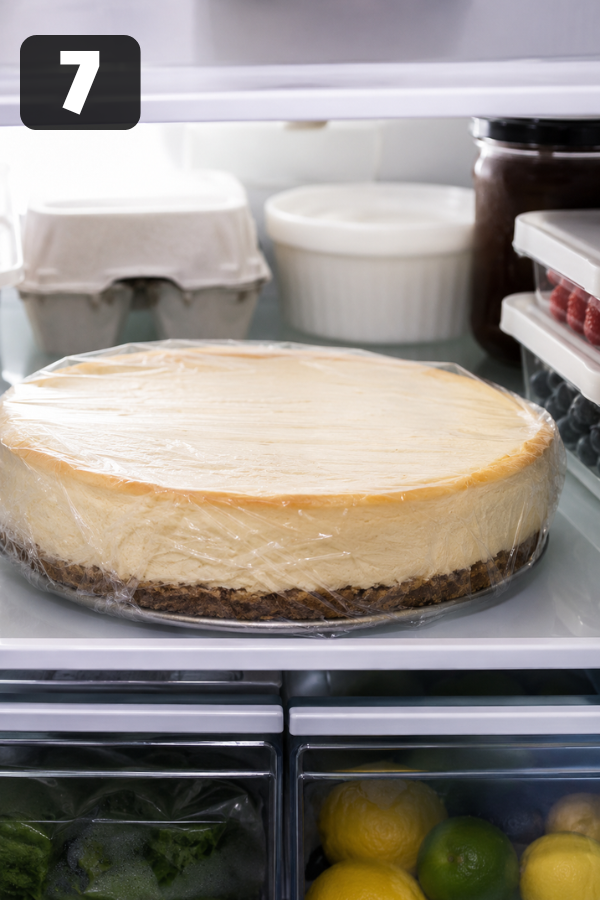
Cover the cheesecake and refrigerate for at least 6 hours. Overnight is even better.
This is where patience pays off. A warm cheesecake will not slice well. However, a fully chilled cheesecake gives you clean, creamy slices with a firm but soft texture.
Step 8: Add Caramel and Serve
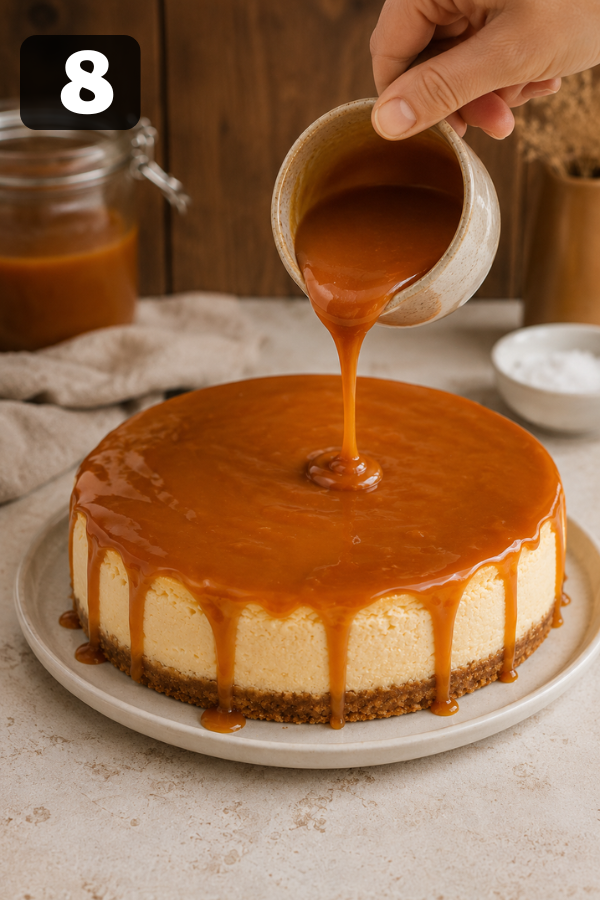
Before serving, spoon salted caramel over the top. Let it drip down the sides if you like that bakery-style look.
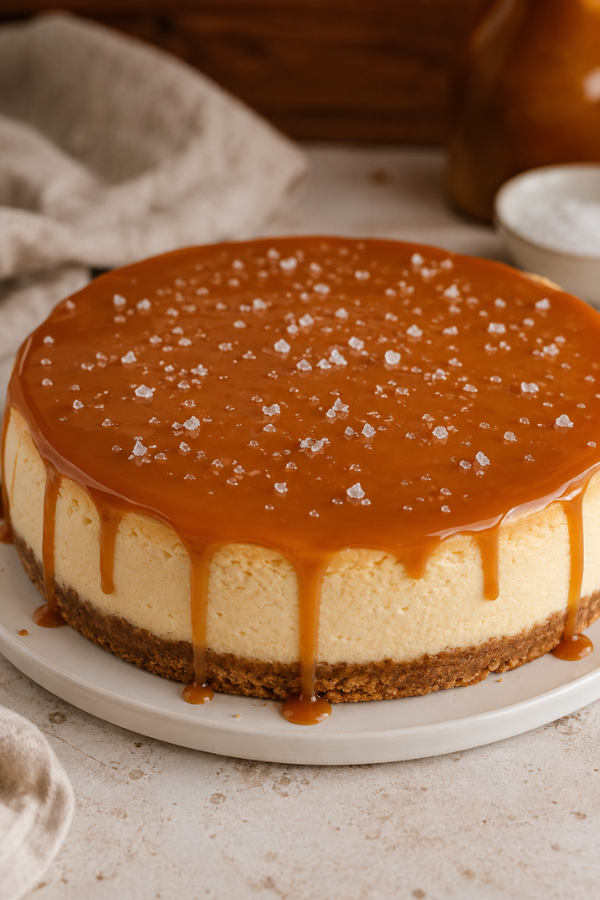
Then, sprinkle with flaky sea salt. Not too much—just enough to wake up the caramel.
For cleaner slices, cut the cheesecake first, then drizzle each slice with caramel. Use a sharp knife dipped in hot water, and wipe it between cuts.
Tips for Success
Cheesecake isn’t hard, but it does like a little care.
First, use room-temperature ingredients. Cream cheese, eggs, sour cream, and yogurt blend better when they’re not cold. As a result, the batter becomes smoother and less likely to turn lumpy.
Next, mix gently after adding the eggs. Overmixing adds too much air, and that extra air can lead to cracks.
Also, don’t skip the chill time. I know, waiting is annoying. However, a cheesecake that chills overnight tastes better and slices better.
For best results, trust the jiggle. The outer edge should look set, while the center should wobble slightly when the pan is nudged.
And if your cheesecake cracks? Cover it with caramel. Honestly, no one will complain. They may not even notice.
Storage and Leftovers
Salted Caramel Cheesecake is a great make-ahead dessert.
Store it covered in the fridge for 3–5 days. If you already added caramel on top, the caramel may firm up in the fridge. In that case, let the cheesecake sit at room temperature for 15–20 minutes before serving so the topping softens.
You can also freeze it.
To freeze, chill the cheesecake fully first. Then, wrap slices in plastic wrap and place them in a freezer-safe container. For the best texture, freeze for up to 1 month. When you’re ready to serve, thaw the slices overnight in the fridge.
For meal-prep dessert lovers, sliced cheesecake is a tiny gift to your future self. One slice, one plate, no fuss.
What to Serve With Salted Caramel Cheesecake
This cheesecake is rich, so keep the sides simple.
Serve it with:
Hot coffee
Cold brew
Black tea
Chai latte
Apple cider
Fresh berries
Sliced apples
Roasted pears
For a holiday dessert table, pair it with apple crisp, pumpkin pie, brownies, or vanilla ice cream. It also works well after a salty dinner like roast chicken, baked ham, or a cozy pasta dish.
Easy Variations
Biscoff Salted Caramel Cheesecake
Use Biscoff cookies instead of graham crackers. For extra warmth, add a little cinnamon to the filling for a cozy fall-style cheesecake.
Pecan Salted Caramel Cheesecake
Add finely chopped pecans to the crust. Then, top the finished cheesecake with toasted pecans for crunch.
Chocolate Salted Caramel Cheesecake
Use chocolate cookie crumbs for the crust. After chilling, add a thin chocolate drizzle with the caramel topping.
Gluten-Free Salted Caramel Cheesecake
Use gluten-free graham crackers or gluten-free cookies for the crust. Also, check that your caramel ingredients are gluten-free too.
Mini Salted Caramel Cheesecakes
Make the recipe in a muffin pan with liners. Reduce the baking time and watch for the same doneness cue: set edges and a slight jiggle in the center.
Common Problems and Quick Fixes
Why did my cheesecake crack?
It may have been overmixed, overbaked, or cooled too quickly. Next time, mix on low after adding eggs, bake until the center jiggles, and cool it slowly.
For now? Add caramel on top. Problem solved.
Why is my cheesecake lumpy?
The cream cheese was probably too cold. Let it soften fully before mixing. Then, beat the cream cheese smooth before adding the eggs.
Why didn’t my cheesecake set?
It may need more chill time. Cheesecake firms up in the fridge, not just in the oven. Because of that, chilling overnight is the safest option.
Too much caramel in the batter can also make the filling softer, so measure it instead of pouring with your heart. I know. That part hurts.
Why is my crust soggy?
A leaking water bath can cause a soggy crust. Instead, try the steam-pan method, or wrap the springform pan very well with foil.
Prebaking the crust also helps keep it crisp.
Nutrition Info
Nutrition will vary based on the crust, the amount of caramel used, and the size of each slice.
For a standard 9-inch cheesecake cut into 12 slices, one slice is usually rich in:
Calories
Fat
Carbs
Sugar
Protein from cream cheese and eggs
This is not a light dessert, and that’s okay. It’s a treat. For a more balanced portion, serve smaller slices and add berries on the side for freshness.
FAQs
1. Can I make Salted Caramel Cheesecake ahead of time?
Yes. In fact, it’s actually better when made one day ahead because the texture firms up and the flavor settles.
2. Can I use store-bought caramel sauce?
Yes, especially for topping. For the filling, use a thick caramel sauce so it doesn’t disappear into the batter.
3. Do I need a water bath?
No, but moisture helps. A pan of hot water on the lower oven rack is an easier option and helps reduce cracking.
4. Can I freeze Salted Caramel Cheesecake?
Yes. Freeze slices for up to 1 month. Then, thaw them overnight in the fridge.
5. Is this cheesecake very salty?
No. The salt balances the sweetness. Add flaky salt lightly on top, then taste before adding more.
6. Can I use Greek yogurt instead of sour cream?
Yes. Full-fat Greek yogurt works well and adds a gentle tang.
7. How do I cut clean slices?
Chill the cheesecake fully. Then, use a sharp knife dipped in hot water and wipe the blade between cuts.
Conclusion
Salted Caramel Cheesecake is the kind of dessert that feels special without being overly complicated. With a buttery crust, smooth caramel-kissed filling, and glossy salted caramel topping, it’s rich, cozy, and perfect for making ahead. For the best texture, chill it overnight, slice it cold, and let the caramel do the showing off.
If you make this Salted Caramel Cheesecake, drizzle it generously, add just a little flaky salt, and enjoy every creamy caramel bite.
Don’t Miss: Easy Basque Burnt Cheesecake Recipe
Don’t Miss: Oreo Cheesecake
Also Try: No Baked Raspberry Cheesecake
Ingredients
Method
- Melt the sugar in a saucepan over medium heat until amber. Whisk in the butter, then slowly add the heavy cream. The mixture will bubble, so pour carefully. Stir in salt and let the caramel cool until thick but pourable.

- Mix the cookie crumbs, melted butter, brown sugar, and salt until the texture looks like wet sand. Press firmly into a 9-inch springform pan, then bake at 325°F for 8–10 minutes. Let the crust cool completely.
- Beat the softened cream cheese until smooth. Add brown sugar, sour cream or Greek yogurt, vanilla, salt, and cooled caramel. Mix until combined. Add the eggs one at a time on low speed, mixing just until smooth.
- Pour the cheesecake filling over the cooled crust. Tap the pan gently to release air bubbles. If desired, drizzle a little extra caramel over the batter and swirl it lightly with a knife.
- Bake at 325°F for 55–75 minutes, until the edges are set and the center still jiggles slightly. For a smoother cheesecake, place a pan of hot water on the lower oven rack while baking.
- Turn off the oven, crack the door open, and let the cheesecake rest inside for 30–60 minutes. Then, move it to the counter and let it cool to room temperature.
- Cover the cheesecake and refrigerate for at least 6 hours, or overnight for the best texture. The cheesecake should be fully chilled before slicing.
- Before serving, spoon salted caramel over the top and sprinkle lightly with flaky sea salt. Slice with a hot, clean knife for neat pieces.
