
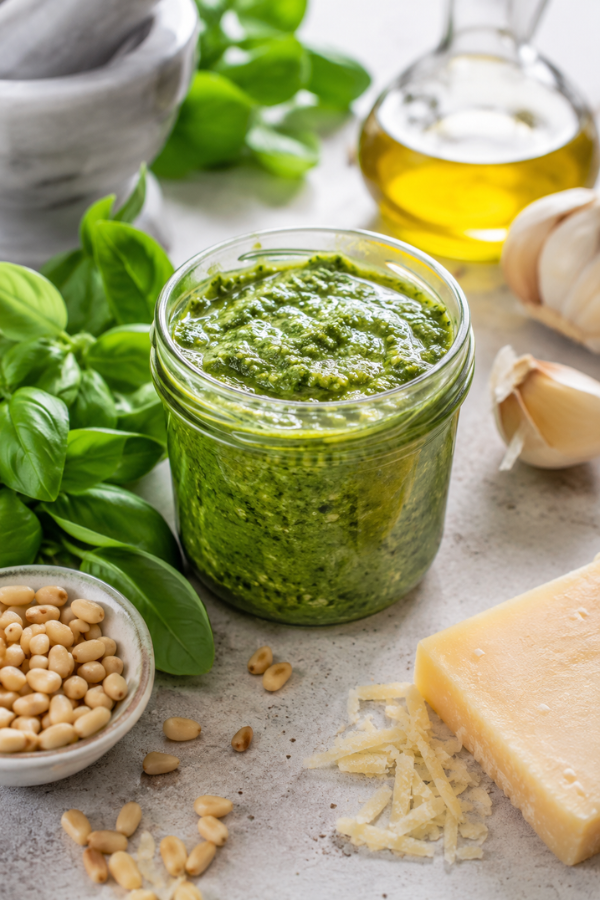
The very best basil pesto recipe should make cooking feel easier right away, and this one does exactly that. With fresh basil, garlic, pine nuts, Parmesan, olive oil, and a pinch of salt, you can make a bright green sauce in about 15 minutes. The finished pesto adds fresh, nutty, and garlicky flavor to pasta, chicken, sandwiches, eggs, and roasted vegetables.
Best of all, this homemade pesto is simple, flexible, and useful beyond one meal. Make a jar once, and you will have an easy flavor boost ready for quick dinners, lunches, and meal prep throughout the week.
Why You’ll Love This Basil Pesto Recipe
This pesto tastes fresh and homemade without requiring much time or effort. In fact, it is the kind of sauce that can turn a few basic ingredients into a meal that feels more thoughtful.
You’ll love it because:
- It’s ready in about 15 minutes.
- It uses fresh, simple ingredients.
- It works as a sauce, spread, dip, or topping.
- It can be made ahead and frozen in small portions.
- It tastes brighter and richer than most store-bought pesto.
Ultimately, a good pesto is more than a recipe—it is a small kitchen shortcut. Whenever dinner feels plain, one spoonful can bring everything together.
Ingredients You’ll Need
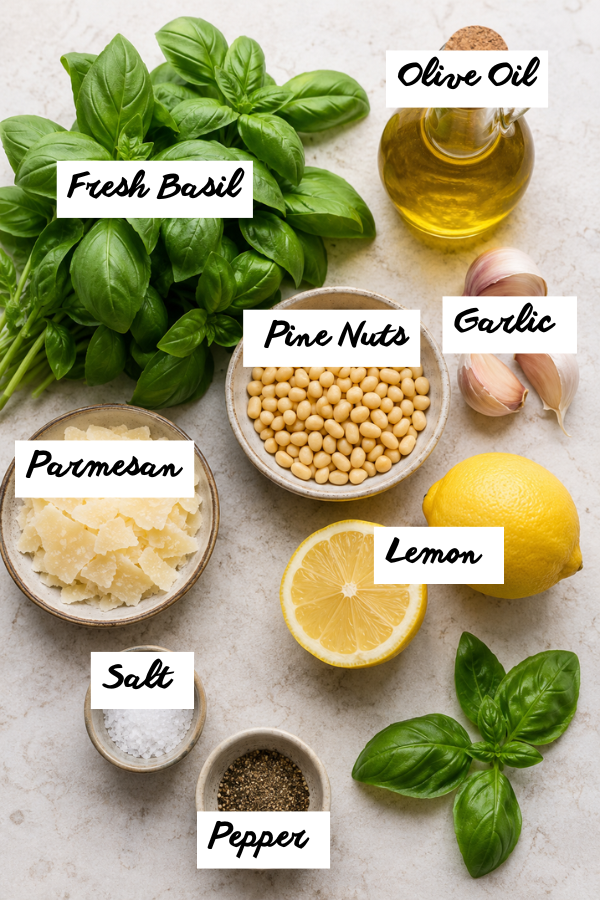
The best pesto is all about balance. Fresh basil provides brightness, while garlic adds bite. Meanwhile, pine nuts bring richness, Parmesan adds savory depth, and olive oil pulls everything together.
Fresh Basil
Use 2 packed cups of fresh basil leaves. Look for bright green, fragrant leaves, and avoid any that appear dark, limp, or slimy.
When rinsing the basil, be sure to dry it very well. Otherwise, excess water can make the pesto thin and watery.
Pine Nuts
Use ⅓ cup pine nuts. They provide a buttery, mild richness without overpowering the basil.
For a lighter, fresher flavor, use the pine nuts raw. Alternatively, toast them for a deeper and nuttier taste.
No pine nuts? Walnuts, cashews, pistachios, sunflower seeds, or pepitas can also work.
Parmesan Cheese
Use ½ cup freshly grated Parmesan cheese. It adds saltiness, body, and savory flavor. In addition, freshly grated Parmesan blends more smoothly than pre-shredded cheese.
For a sharper pesto, replace part of the Parmesan with Pecorino Romano. However, taste the pesto before adding extra salt because Pecorino can be quite salty.
Garlic
Use 1 to 2 garlic cloves. One clove creates a milder pesto, whereas two cloves produce a stronger garlic flavor.
For children or meal prep, start with one clove. Raw garlic becomes stronger as it sits, so a little can go a long way.
Extra-Virgin Olive Oil
Use ½ cup extra-virgin olive oil. Choose one with a smooth flavor rather than an intensely bitter taste.
Add the oil gradually while blending. As a result, the pesto will become glossy, smooth, and well combined.
Lemon Juice
Use 1 tablespoon fresh lemon juice, if desired. It adds brightness and helps balance the richness of the cheese, nuts, and oil.
Still, it is best to start with a small amount so the lemon does not overpower the basil.
Salt and Pepper
Begin with ½ teaspoon kosher salt, then adjust after blending. Since Parmesan is already salty, always taste the pesto before adding more.
Finally, add a little black pepper for gentle warmth.
Step-by-Step Instructions
Step 1: Prep the Basil
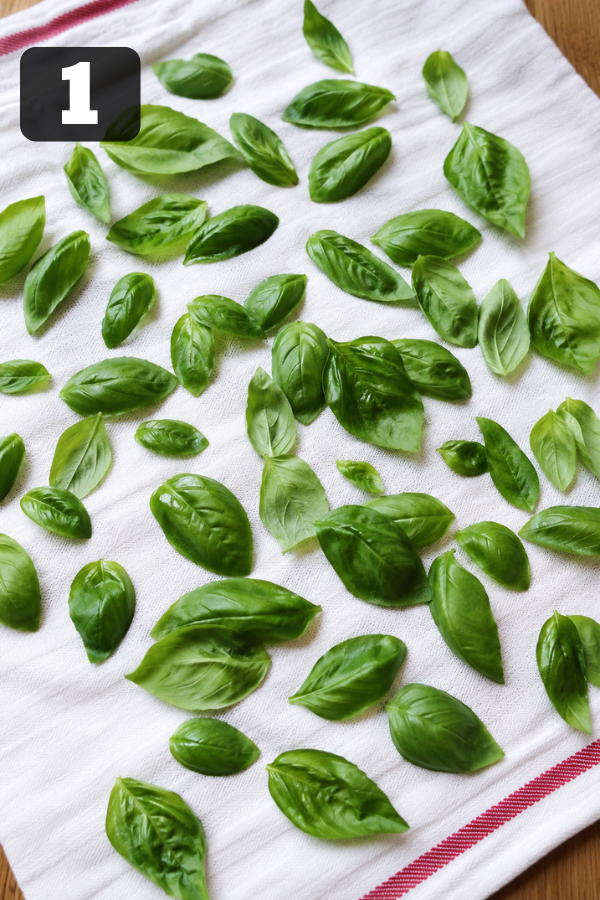
First, pull the basil leaves away from the stems. Only the leaves are needed for this recipe.
When the basil looks clean, gently wipe the leaves instead of rinsing them. However, if washing is necessary, rinse them quickly and dry them extremely well. Excess water will thin the pesto and weaken its flavor.
While drying, avoid crushing the leaves. Basil is tender, so handle it gently.
Step 2: Toast the Pine Nuts
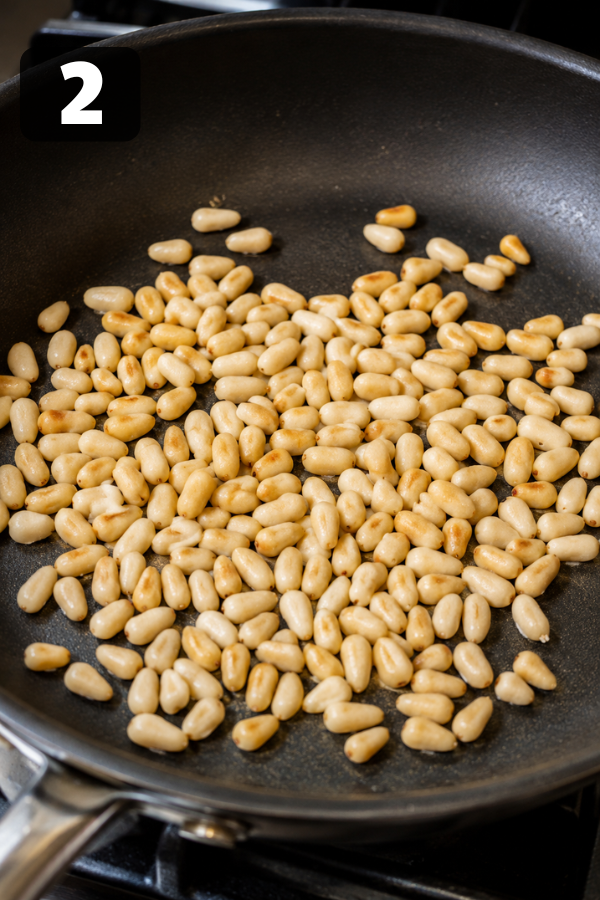
Place the pine nuts in a dry skillet over medium-low heat. Stir frequently for 3 to 5 minutes, or until they smell nutty and look lightly golden.
Immediately transfer them out of the hot pan and allow them to cool.
Although this step is optional, toasting creates a deeper flavor. On the other hand, raw pine nuts give the pesto a lighter and fresher taste.
Step 3: Pulse the Garlic, Pine Nuts, Salt, and Pepper
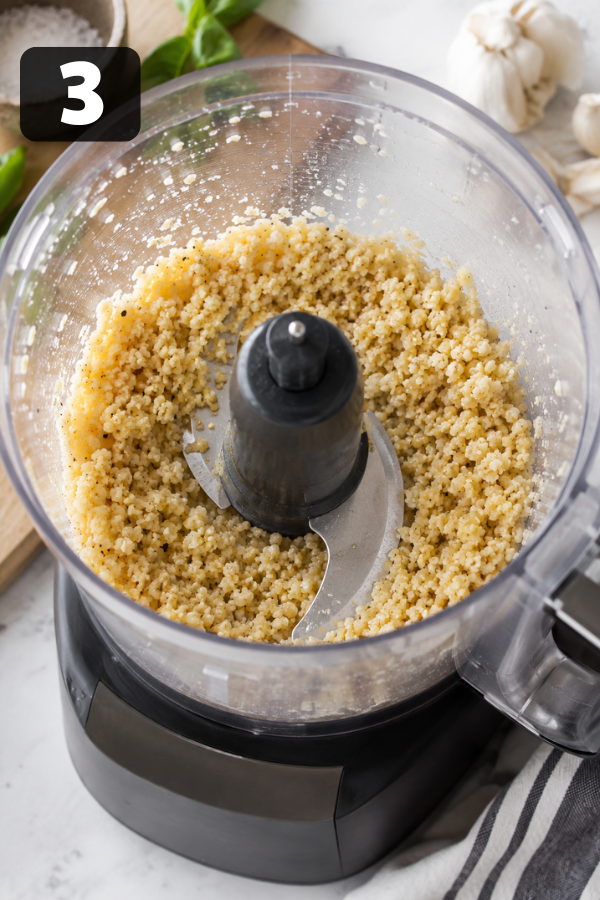
Next, add the pine nuts, garlic, salt, and pepper to a food processor.
Pulse until the mixture is finely chopped. By breaking down the firmer ingredients first, you will not need to process the basil for as long later.
This step matters because excessive blending can dull the basil’s color and fresh flavor.
Step 4: Add the Basil
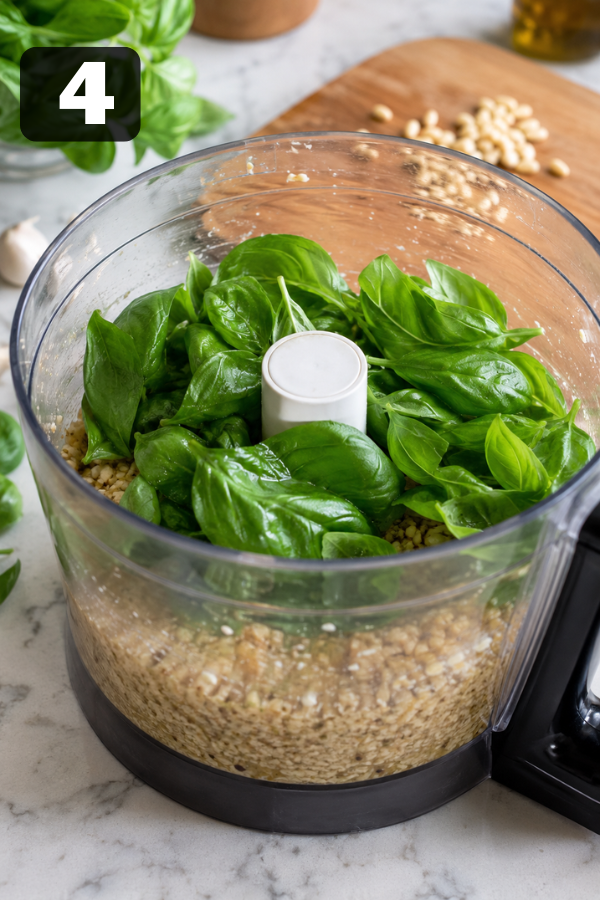
Add the basil leaves to the food processor and pulse in short bursts.
Between pulses, stop and scrape down the sides of the bowl as needed. The goal is to chop and combine the basil without beating it into a dull paste.
At this stage, the pesto should already smell wonderfully fresh—almost like summer in a bowl.
Step 5: Drizzle in the Olive Oil
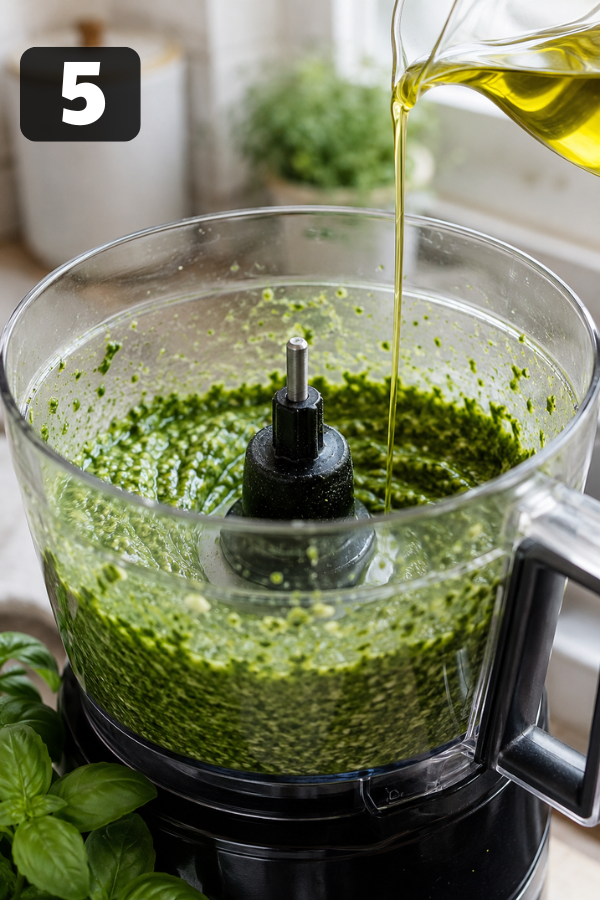
With the food processor running, slowly drizzle in the olive oil.
Gradually, the pesto will become glossy, thick, and spoonable. When it seems too thick, add a little more olive oil, one tablespoon at a time.
For pasta, keep the pesto slightly thick at this point. Later, you can loosen it with reserved pasta water.
Step 6: Add Parmesan and Lemon
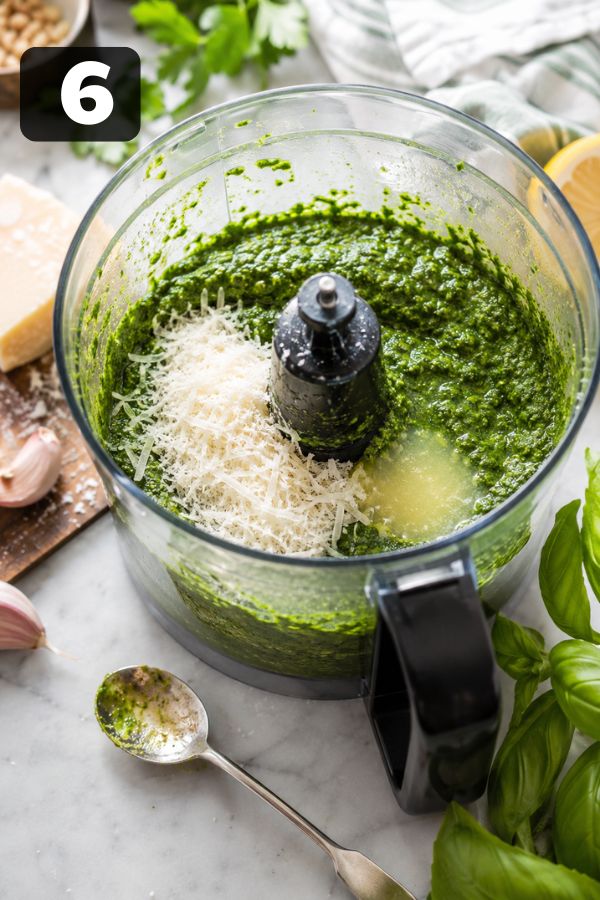
Finally, add the Parmesan cheese and lemon juice.
Pulse only until everything comes together. Avoid over-blending after adding the cheese because the pesto may become heavy or pasty.
Now, taste and adjust the sauce:
- Add a pinch of salt when it tastes flat.
- Mix in a few drops of lemon for extra brightness.
- Drizzle in more olive oil when it feels too thick.
- Blend in additional basil or cheese if the garlic tastes too sharp.
Once the flavor is balanced, your homemade basil pesto is ready.
Tips for the Best Homemade Basil Pesto
Pesto is easy to prepare. Nevertheless, a few small techniques can make a noticeable difference.
- Use fresh basil. Older basil produces weaker flavor.
- Dry the basil thoroughly. Excess water makes pesto thin and less flavorful.
- Toast the pine nuts for richer flavor. For a lighter result, leave them raw.
- Use freshly grated Parmesan. It tastes better and blends more smoothly.
- Add the olive oil gradually. This helps the sauce emulsify and come together.
- Avoid over-blending. Too much processing can warm the basil and dull its color.
- Add the cheese near the end. This prevents the pesto from becoming overly pasty.
- Taste before serving. Salt, lemon, oil, cheese, and garlic should all feel balanced.
Most importantly, do not cook pesto like tomato sauce. Instead, stir it into warm food after removing the pan from the heat. Basil responds well to gentle warmth but can lose flavor under high heat.
Common Pesto Problems and Easy Fixes
Even a simple pesto can occasionally go wrong. Fortunately, most problems are easy to correct.
My Pesto Turned Brown
Basil can turn brown after exposure to air, heat, or bruising. To help preserve the green color, use fresh basil, dry the leaves thoroughly, blend quickly, and store the pesto in a small airtight container.
Additionally, smoothing the surface and covering it with a thin layer of olive oil can reduce contact with air.
A little browning does not necessarily mean the pesto has spoiled. Stir it, smell it, and taste a small amount. When it still smells fresh and shows no signs of spoilage, it is generally fine to use.
My Pesto Tastes Bitter
Bitterness may come from strong olive oil, over-blending, old basil, or too much garlic.
To balance the taste, add more Parmesan, fresh basil, toasted nuts, or a small squeeze of lemon. Next time, choose a milder olive oil and pulse the ingredients rather than blending continuously.
My Pesto Is Too Thick
Add olive oil one tablespoon at a time until the pesto loosens.
For pasta, however, reserved pasta water is often a better choice. It makes the sauce glossy and creamy without adding too much extra oil.
My Pesto Is Too Thin
Blend in more basil, Parmesan, or nuts to thicken the sauce.
If the basil was still wet, that may have caused the problem. Therefore, dry the leaves more carefully next time.
The Garlic Is Too Strong
Raw garlic can quickly overpower pesto. To soften the flavor, add more basil, nuts, cheese, and olive oil.
In the future, start with one small clove. Roasted garlic is another good option because it tastes sweeter and milder.
My Pesto Pasta Is Dry
Add reserved pasta water gradually while tossing the noodles.
The extra moisture helps the pesto spread evenly and creates a smoother, glossier sauce.
Storage and Meal Prep
Homemade pesto is ideal for meal prep. Although it takes only a few minutes to make, it can provide easy flavor for several meals.
Transfer the pesto to a clean jar with a tight-fitting lid. Then, smooth the surface and pour a thin layer of olive oil over the top. This barrier helps protect the pesto from air and may keep the color brighter.
For the best flavor, refrigerate the pesto and use it within about 3 days.
For longer storage, freeze it.
Spoon the pesto into an ice cube tray and freeze until solid. Afterward, transfer the frozen cubes to a freezer-safe bag and label it with the date.
Frozen pesto cubes are useful for:
- Pasta
- Soup
- Eggs
- Sandwich spreads
- Roasted vegetables
- Chicken
- Fish
- Grain bowls
For example, one cube can flavor a small bowl of soup, while two or three cubes can sauce a quick pasta dinner. It is a simple freezer trick that makes weeknight cooking much easier.
What to Serve With Basil Pesto
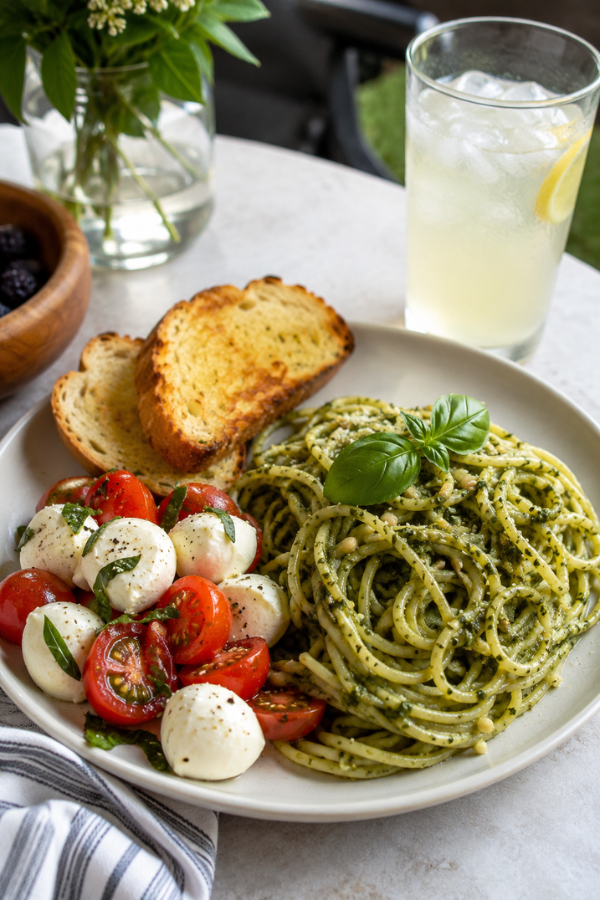
Basil pesto pairs especially well with fresh, uncomplicated sides. Since the sauce is already rich and flavorful, the rest of the meal does not need to be heavy.
For pasta night, serve it with:
- A simple green salad
- Garlic bread
- Roasted cherry tomatoes
- Grilled chicken
- Lemon asparagus
- Mozzarella and tomato salad
For a lighter dinner, pair pesto with salmon, roasted zucchini, and a crisp cucumber salad.
At lunchtime, spread pesto onto a sandwich with turkey, mozzarella, tomato, or grilled vegetables.
For brunch, spoon it over scrambled eggs or avocado toast.
Refreshing drink options include:
- Sparkling water with lemon
- Iced tea
- Lemonade
- Pinot Grigio
- Sauvignon Blanc
- Light rosé
For dessert, choose something bright and simple, such as:
- Lemon bars
- Berry shortcake
- Peach sorbet
- Vanilla panna cotta
- Fresh fruit crisp
Overall, keeping the rest of the meal light allows the pesto to remain the star.
FAQs
1. Can I make basil pesto ahead of time?
Yes. Prepare pesto 1 to 2 days in advance and store it in a sealed jar. For better color, cover the surface with a thin layer of olive oil before refrigerating.
2. Can I freeze basil pesto?
Yes. Freeze the pesto in ice cube trays, then transfer the frozen cubes to a freezer bag. This method makes it easy to thaw only the amount you need.
3. Can I make pesto without pine nuts?
Absolutely. Walnuts, cashews, pistachios, sunflower seeds, and pepitas can all replace pine nuts.
4. How much pesto do I need for pasta?
Use about ¾ to 1 cup of pesto for 12 ounces of pasta. Then, add reserved pasta water gradually until the sauce coats the noodles smoothly.
5. Can I use pesto on more than pasta?
Yes. Basil pesto works well on sandwiches, eggs, pizza, chicken, fish, soup, roasted vegetables, potatoes, and grain bowls.
Nutrition Info
Nutrition will vary depending on the exact ingredients and quantities used. As a general estimate, 2 tablespoons of basil pesto contain approximately:
- 150–220 calories
- 15–22 grams of fat
- 1–3 grams of carbohydrates
- 2–4 grams of protein
Basil pesto is typically low in carbohydrates and naturally gluten-free when all ingredients are certified gluten-free.
It can also be vegetarian when made with vegetarian-friendly Parmesan. For a dairy-free version, replace the Parmesan with nutritional yeast. Meanwhile, sunflower seeds or pepitas can be used for a nut-free variation, depending on individual allergy needs.
Final Thoughts
The best basil pesto doesn’t need to be complicated. It should taste fresh, rich, and bright. It should make dinner easier. It should sit in the fridge like a little jar of possibility.
A spoonful can turn plain pasta into dinner. Another spoonful can wake up a sandwich. A frozen cube can save a soup on a cold night.
That’s why this really is the kind of recipe worth keeping close. Simple ingredients, big flavor, very little effort. Sometimes that’s exactly what home cooking needs.
Don’t Miss: Simple Antipasto Pasta Salad
Don’t Miss: Classic Bruschetta Recipe
Also Try: Easy Caprese Salad
Ingredients
Method
- Prep the basil: Remove basil leaves from the stems. Rinse only if needed, then dry very well so the pesto doesn’t turn watery.

- Toast the pine nuts: Toast pine nuts in a dry skillet over medium-low heat for 3 to 5 minutes, stirring often. Let them cool before blending.
- Pulse the base: Add pine nuts, garlic, salt, and pepper to a food processor. Pulse until finely chopped.
- Add the basil: Add basil leaves and pulse in short bursts, scraping down the bowl as needed. Don’t over-blend.
- Drizzle in olive oil: With the food processor running, slowly add olive oil until the pesto looks glossy and spoonable.
- Finish and adjust: Add Parmesan and lemon juice. Pulse briefly, then taste and adjust with more salt, lemon, olive oil, basil, or cheese if needed.
