
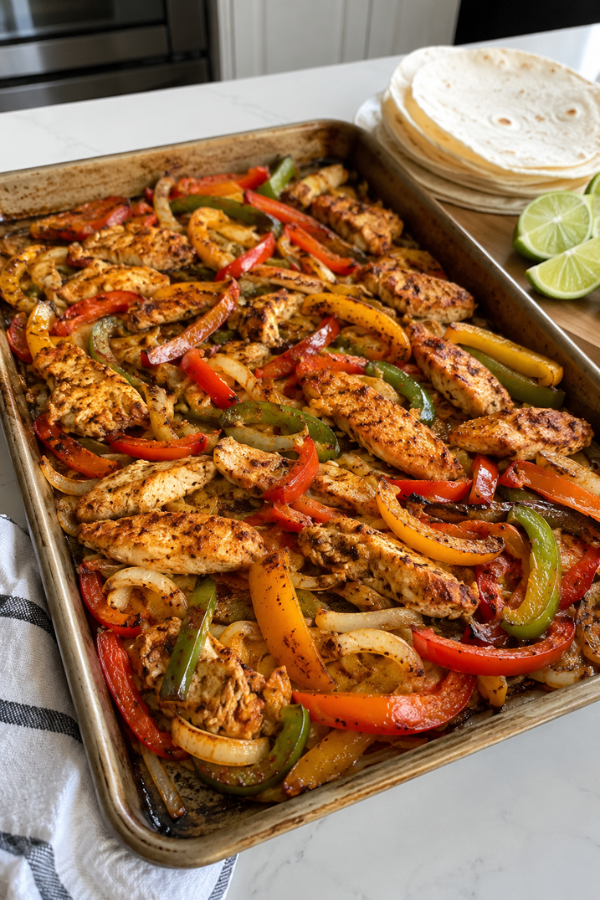
Some dinners look impressive but leave your kitchen looking like a disaster zone. Thankfully, Sheet Pan Chicken Fajitas are the exact opposite. This easy one-pan dinner gives you juicy seasoned chicken, sweet roasted peppers, tender onions, and bold Tex-Mex flavor with almost no fuss. Whether you’re feeding a hungry family on a Tuesday night or preparing lunches for the week ahead, this recipe delivers a satisfying meal without leaving a pile of dishes behind.
Why You’ll Love This Recipe
There are plenty of fajita recipes out there, but this one earns a permanent place in the weeknight rotation for one simple reason: it works.
Since everything cooks together, the chicken soaks up the seasoning while the peppers and onions soften and caramelize around it. Meanwhile, the sheet pan keeps the process simple, so you do not have to stand over a hot skillet cooking batch after batch. By the time the timer goes off, dinner is basically done. Even better, cleanup stays easy because everything roasts on one pan.
Here are a few more reasons this recipe stands out:
- Ready in about 30 minutes from start to finish
- Uses affordable pantry staples
- Easy to customize with different proteins and vegetables
- Great for meal prep lunches
- High in protein and naturally packed with vegetables
- Minimal cleanup thanks to the one-pan method
Overall, once you’ve made fajitas this way, it’s hard to go back to the traditional stovetop method.
Ingredients
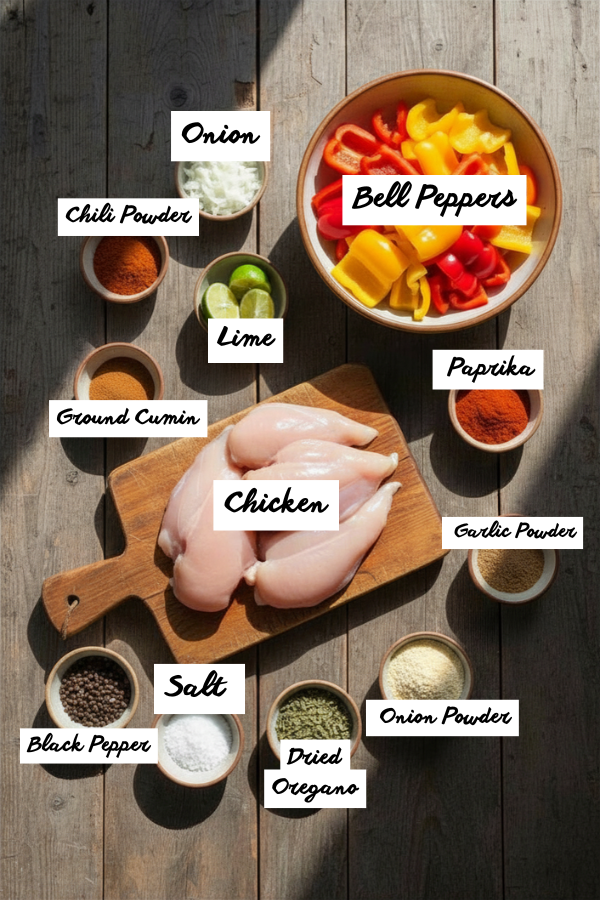
Another reason this recipe has become so popular is its short ingredient list. Most of the ingredients are easy to find, and many may already be in your pantry. Plus, the simple seasoning blend gives the chicken and vegetables bold flavor without requiring anything complicated.
For the Chicken Fajitas
- 1½ pounds boneless skinless chicken breasts, sliced into strips
- 3 bell peppers, sliced
- 1 large yellow onion, sliced
- 2 tablespoons olive oil
- Juice of 1 lime
For the Homemade Fajita Seasoning
- 2 teaspoons chili powder
- 1 teaspoon paprika
- 1 teaspoon ground cumin
- 1 teaspoon garlic powder
- ½ teaspoon onion powder
- ½ teaspoon dried oregano
- 1 teaspoon salt
- ½ teaspoon black pepper
- Optional pinch of cayenne pepper
For Serving
- Flour tortillas
- Corn tortillas
- Fresh cilantro
- Lime wedges
Optional Toppings
- Guacamole
- Avocado slices
- Sour cream
- Greek yogurt
- Salsa
- Pico de gallo
- Shredded cheese
- Jalapeños
Although the toppings are optional, they make the meal more fun and flexible. For that reason, this recipe works especially well for family dinners, casual gatherings, or meal prep bowls.
Step-by-Step Instructions
Step 1: Prep the Ingredients
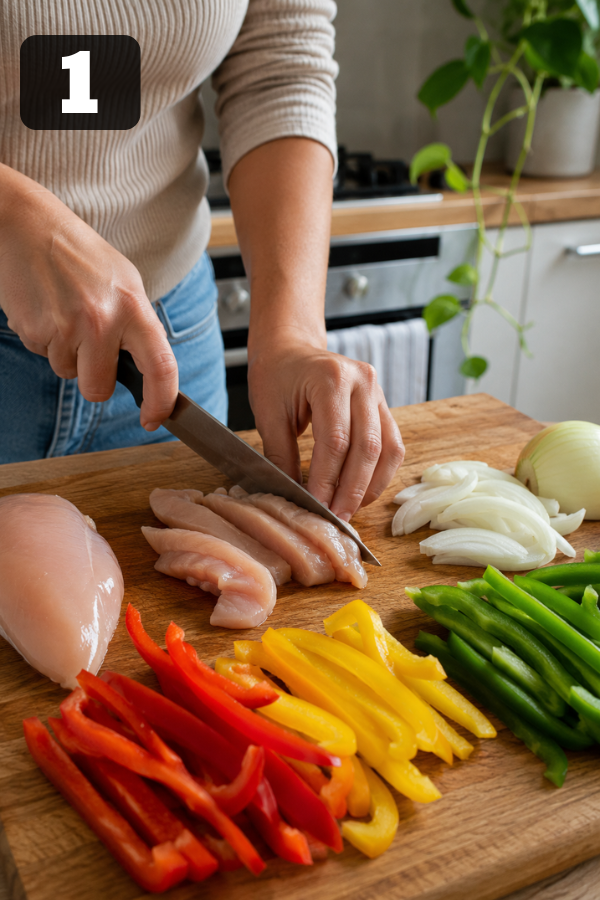
Start by slicing the chicken into thin strips. After that, cut the bell peppers and onions into similar-sized slices. Keeping everything roughly the same size helps the ingredients cook evenly.
If you’ve ever ended up with overcooked vegetables and undercooked chicken, uneven slicing is often the culprit. Therefore, for best results, try to keep the chicken and vegetables close in thickness.
Step 2: Mix the Seasoning
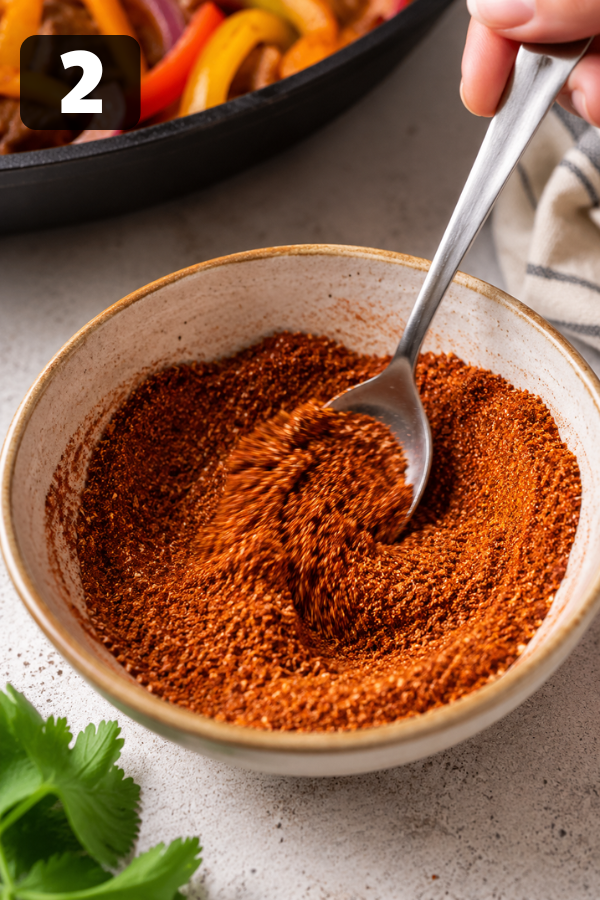
Next, combine all the spices in a small bowl. Once the spices are added, stir them well so the flavors distribute evenly.
Store-bought fajita seasoning can work in a pinch. However, homemade seasoning gives you better control over salt, spice, and overall flavor.
Step 3: Toss Everything Together
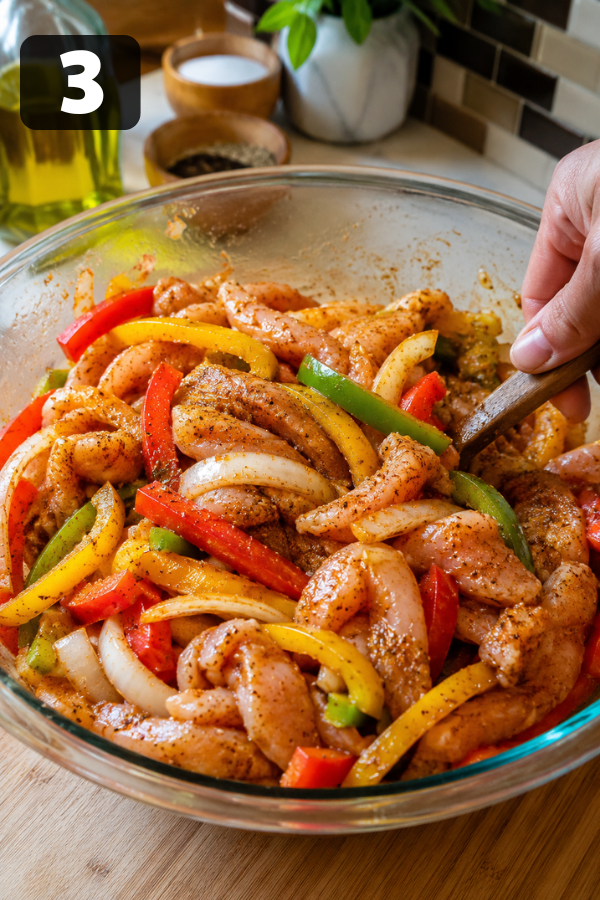
Add the chicken, peppers, and onions to a large mixing bowl. Then, pour in the olive oil, lime juice, and seasoning blend.
After everything is in the bowl, toss until the chicken and vegetables are evenly coated. Don’t rush this step, because a good coating means every bite delivers flavor.
Step 4: Spread on a Sheet Pan
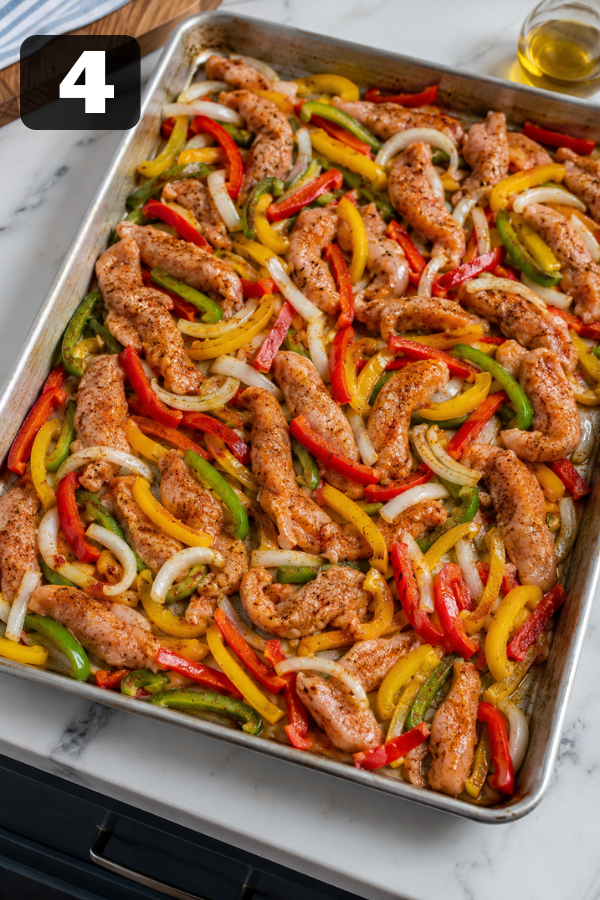
Transfer the mixture to a large rimmed baking sheet. Next, spread the ingredients into a single layer.
This step matters more than most people realize. When ingredients are crowded together, they steam instead of roast. On the other hand, when they have enough space, they brown more easily and develop better texture.
As a result, you get golden edges, caramelized vegetables, and deeper fajita flavor.
Step 5: Roast
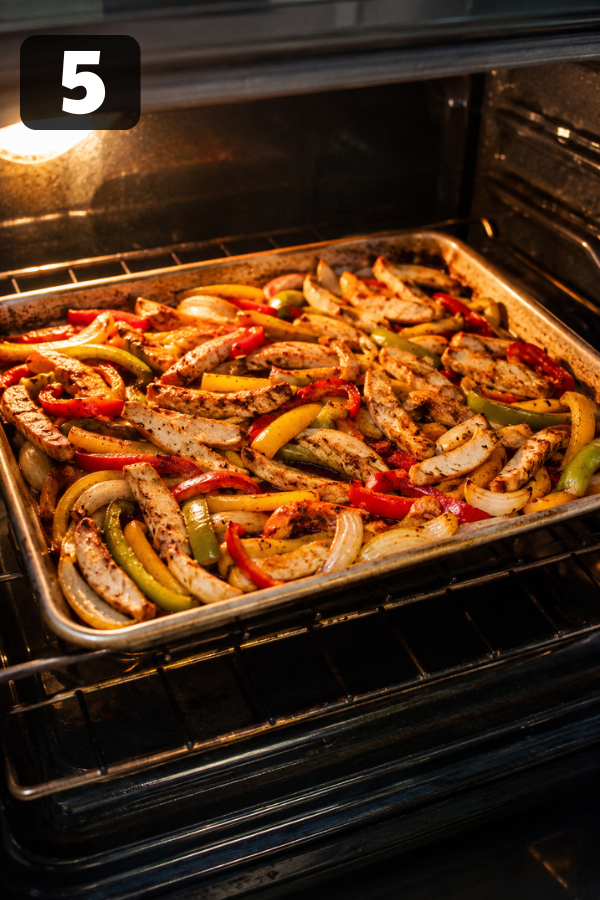
Bake at 425°F for 18–22 minutes. During this time, the chicken should cook through while the vegetables become tender with slightly browned edges.
For food safety, the chicken should reach an internal temperature of 165°F. If you want more color, switch the oven to broil for the final 2–3 minutes.
That little extra step creates the closest thing to restaurant-style fajitas you’ll get without firing up a grill.
Step 6: Finish and Serve
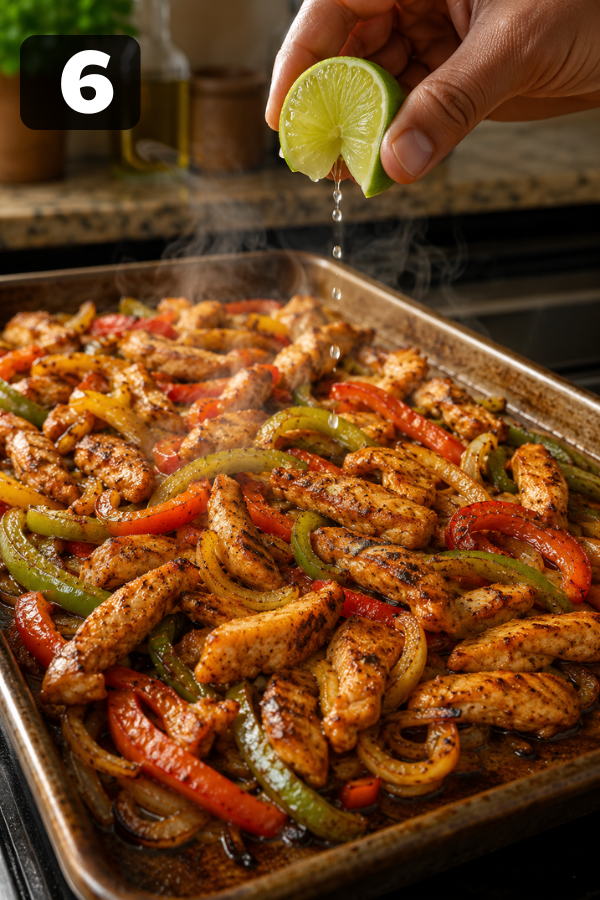
Once the fajitas are done, remove the pan from the oven. Then, squeeze fresh lime juice over everything and sprinkle with chopped cilantro.
Finally, serve the chicken and vegetables with warm tortillas and your favorite toppings. At this point, the smell alone will probably bring everyone into the kitchen before you even call them.
Tips for Success
Sheet Pan Chicken Fajitas are simple, but a few small details can make a noticeable difference. Therefore, it helps to pay attention to pan size, slicing, temperature, and finishing touches.
Don’t Overcrowd the Pan
This is the biggest mistake people make. When too much food sits on one sheet pan, moisture builds up quickly. As a result, the ingredients steam instead of roast.
Instead of forcing everything onto one pan, use two pans if necessary. That extra space helps the chicken and vegetables brown properly.
Slice Against the Grain
When cutting chicken, slice against the grain whenever possible. This small step makes the cooked chicken noticeably more tender.
Use High Heat
Lower temperatures can work, but higher temperatures create better browning. Since roasted flavor is a major part of what makes sheet pan fajitas so satisfying, 425°F is the sweet spot.
Marinate Ahead When You Can
If time allows, let the seasoned chicken sit for 30 minutes. For even deeper flavor, refrigerate it overnight.
This extra time helps the seasoning soak into the chicken more fully. However, the recipe still tastes great if you cook it right away.
Warm the Tortillas
A warm tortilla makes a surprising difference. You can heat tortillas briefly in a dry skillet, microwave, or directly over a gas flame for a few seconds.
Once warmed, the tortillas become softer and more flexible. As a result, the fajitas are easier to fold, fill, and serve.
Meal Prep and Make-Ahead Notes
This recipe shines when it comes to meal prep. In fact, some people like the leftovers even more than the original meal.
To save time during the week, you can:
- Slice vegetables up to 3 days ahead
- Mix seasoning in advance
- Marinate chicken overnight
- Cook a double batch for lunches
For meal prep bowls, pair the fajita mixture with:
- Cilantro lime rice
- Brown rice
- Black beans
- Cauliflower rice
- Quinoa
The flavors hold up extremely well throughout the week. Therefore, this recipe is a smart option when you want one dinner to turn into several easy meals.
What to Serve With Sheet Pan Chicken Fajitas
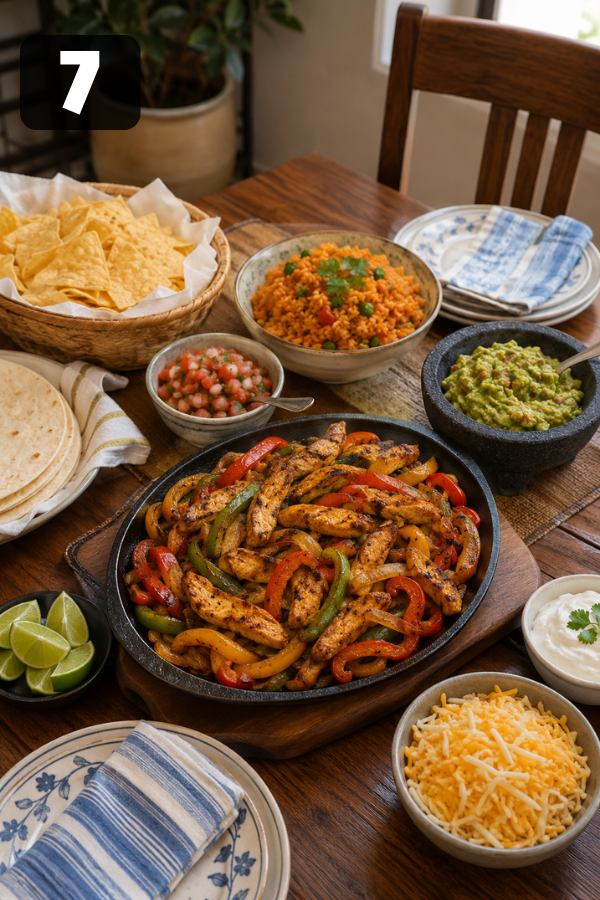
Fajitas can absolutely stand alone. However, the right side dishes turn dinner into a full feast.
Popular Side Dishes
- Mexican rice
- Cilantro lime rice
- Refried beans
- Black beans
- Mexican street corn
- Corn salad
- Chips and salsa
Lower-Carb Options
- Cauliflower rice
- Lettuce wraps
- Fresh salad
- Roasted vegetables
Drinks
- Lime sparkling water
- Iced tea
- Homemade lemonade
- Margaritas for adult gatherings
If you’re serving guests, a simple bowl of guacamole and tortilla chips goes a long way. Additionally, it gives everyone something to snack on while the fajitas finish roasting.
Storage and Leftover Notes
Leftovers store surprisingly well, which makes this recipe even more practical. In fact, the fajita filling is just as useful for quick lunches as it is for dinner.
Refrigerator
Store the cooked chicken and vegetables in an airtight container for up to 4 days. For best results, let the filling cool before sealing the container.
Freezer
You can also freeze the cooked fajita filling for up to 3 months. However, for the best texture, thaw it overnight in the refrigerator before reheating.
Reheating
A skillet works best because it brings back some of the roasted flavor and helps prevent the vegetables from becoming soggy.
The microwave works too, especially for quick lunches. However, cover the food loosely to help retain moisture.
Common Problems and Easy Fixes
My Fajitas Turned Out Watery
This usually happens when the pan is overcrowded, the vegetables release too much moisture, or the oven temperature is too low.
To fix it, use a larger pan and roast at 425°F. If needed, divide the mixture between two sheet pans.
My Chicken Is Dry
Overcooking is usually the cause. Therefore, use an instant-read thermometer and remove the chicken as soon as it reaches 165°F.
My Vegetables Didn’t Brown
The vegetables were likely too crowded. To improve browning, give them more room on the pan. Then, finish under the broiler if needed.
The Flavor Feels Flat
A squeeze of fresh lime juice at the end often fixes this instantly. Since acid brightens all the other flavors, this small step can make a big difference.
Variations to Try
Once you’ve mastered the basic recipe, there are plenty of ways to change things up. For example, you can switch the protein, make it vegetarian, or turn the filling into bowls.
Chicken Thigh Fajitas
Chicken thighs are slightly richer and more forgiving than chicken breasts. Because they contain more fat, they also stay juicy more easily.
Shrimp Fajitas
Shrimp cook faster and feel lighter, making them perfect during warmer months. However, they need less time in the oven, so watch them closely.
Steak Fajitas
For a heartier version, use flank steak or skirt steak sliced thinly. This variation works especially well with extra lime and a quick broil at the end.
Vegetarian Fajitas
For a meatless version, replace chicken with:
- Portobello mushrooms
- Tofu
- Black beans
- Extra peppers and onions
Fajita Bowls
You can also skip the tortillas entirely. Instead, serve the fajita mixture over rice, greens, or cauliflower rice for a simple, filling, meal-prep-friendly option.
Nutrition Info
Approximate nutrition per serving without tortillas:
- Calories: 280–350
- Protein: 30–35g
- Carbohydrates: 10–15g
- Fat: 10–14g
- Fiber: 3–5g
Actual values vary based on toppings and serving size. Still, for a balanced weeknight meal, these numbers fit comfortably into many healthy eating plans.
FAQs
1. Can I use chicken thighs instead of chicken breasts?
Yes. Chicken thighs stay juicy and work exceptionally well in this recipe.
2. Can I make Sheet Pan Chicken Fajitas ahead of time?
Absolutely. You can prep the ingredients in advance or fully cook the recipe and reheat it later.
3. What temperature should chicken reach?
For safe cooking, chicken should reach an internal temperature of 165°F.
4. Can I freeze leftovers?
Yes. Freeze the cooked fajita filling for up to 3 months.
5. Are these fajitas spicy?
Not usually. However, for extra heat, add cayenne pepper, chipotle powder, or sliced jalapeños.
6. Can I make this low carb?
Yes. Instead of tortillas, serve the fajita mixture over cauliflower rice or inside lettuce wraps.
Final Thoughts
Sheet Pan Chicken Fajitas are proof that a great dinner doesn’t have to be complicated. With juicy seasoned chicken, colorful roasted vegetables, and bold Tex-Mex flavor, this easy one-pan meal delivers everything you want on a busy weeknight—without the extra dishes.
Whether you’re feeding your family, meal prepping for the week, or simply looking for a healthy dinner that tastes amazing, this recipe is one you’ll come back to again and again. Most importantly, it gives you a flavorful homemade meal without making your kitchen feel chaotic afterward.
Don’t Miss: BBQ Chicken Foil Packs
Don’t Miss: Grilled Lemon Chicken
Also Try: Ranch Garlic Parmesan Chicken Skewers
Ingredients
Method
- Step 1: Prep the IngredientsStart by slicing the chicken into thin strips. After that, cut the bell peppers and onions into similar-sized slices. Keeping everything roughly the same size helps the ingredients cook evenly.If you've ever ended up with overcooked vegetables and undercooked chicken, uneven slicing is often the culprit. Therefore, for best results, try to keep the chicken and vegetables close in thickness.

- Step 2: Mix the SeasoningNext, combine all the spices in a small bowl. Once the spices are added, stir them well so the flavors distribute evenly.Store-bought fajita seasoning can work in a pinch. However, homemade seasoning gives you better control over salt, spice, and overall flavor.
- Step 3: Toss Everything TogetherAdd the chicken, peppers, and onions to a large mixing bowl. Then, pour in the olive oil, lime juice, and seasoning blend.After everything is in the bowl, toss until the chicken and vegetables are evenly coated. Don’t rush this step, because a good coating means every bite delivers flavor.
- Step 4: Spread on a Sheet PanTransfer the mixture to a large rimmed baking sheet. Next, spread the ingredients into a single layer.This step matters more than most people realize. When ingredients are crowded together, they steam instead of roast. On the other hand, when they have enough space, they brown more easily and develop better texture.As a result, you get golden edges, caramelized vegetables, and deeper fajita flavor.
- Step 5: RoastBake at 425°F for 18–22 minutes. During this time, the chicken should cook through while the vegetables become tender with slightly browned edges.For food safety, the chicken should reach an internal temperature of 165°F. If you want more color, switch the oven to broil for the final 2–3 minutes.That little extra step creates the closest thing to restaurant-style fajitas you'll get without firing up a grill.
- Step 6: Finish and ServeOnce the fajitas are done, remove the pan from the oven. Then, squeeze fresh lime juice over everything and sprinkle with chopped cilantro.Finally, serve the chicken and vegetables with warm tortillas and your favorite toppings. At this point, the smell alone will probably bring everyone into the kitchen before you even call them.
