
One-Pan Balsamic Glazed Chicken and Veggies
This is the kind of dinner you make when you want something real—tender chicken, roasted veggies, and that sweet-tangy balsamic glaze that tastes like you tried harder than you did. It’s fast, it’s healthy-ish without feeling “diet,” and it all happens on one pan (which means the sink stays calm).
The flavor is bold but familiar: savory garlic, a little sweetness, and balsamic’s bright, almost jammy tang once it hits heat. It’s perfect for weeknights, meal prep, and those “I can’t deal with extra dishes” evenings.
Why You’ll Love This Recipe
- One pan, minimal cleanup. The oven does the heavy lifting while you reset the kitchen (or your mood).
- Big flavor from simple pantry stuff. Balsamic + garlic + a touch of sweet = instant glaze vibes.
- Flexible veggies. Use what you’ve got; just match roasting times.
- Meal-prep friendly. Leftovers keep well for about 3–4 days when stored properly in the fridge.
Diet notes (depending on choices):
- Often gluten-free (just check bottled dressing/glaze labels).
- Easy to keep dairy-free.
- Can be lower carb if you skip grains and lean into non-starchy vegetables.
Ingredients
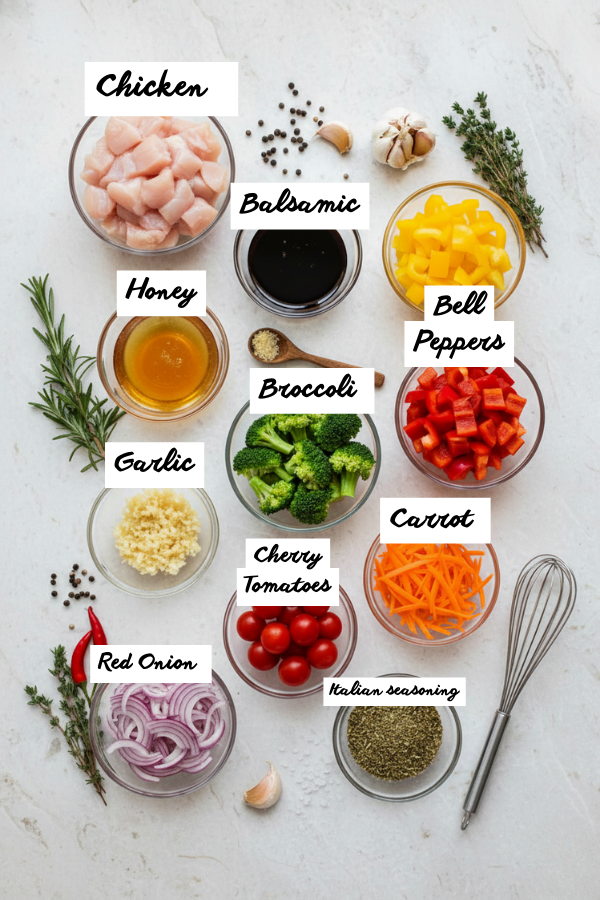
For the balsamic glaze (quick sauce)
You’ll see a few “schools of thought” online: some recipes go super simple with balsamic + bottled Italian dressing, others build a homemade mix with olive oil + honey + garlic. Both work—choose your weeknight personality.
Option A (fastest, semi-homemade):
- Balsamic vinegar
- Zesty Italian dressing (store-bought)
- Garlic powder or minced garlic (optional boost)
Option B (homemade, still easy):
- Balsamic vinegar
- Olive oil
- Honey (or maple syrup)
- Fresh garlic (minced)
- Italian seasoning
- Salt + black pepper
Why a little sweet matters: it helps balsamic roast into that glossy “glazed” feel instead of tasting sharp. Not candy-sweet—just balanced.
For the chicken
- Boneless, skinless chicken breasts (diced) or chicken thighs (whole or cut)
- Salt + pepper
Quick note: thighs stay juicy more easily, but breasts cook fast and feel lighter.
For the veggies (pick 3–5)
Great sheet-pan picks that roast in the same general window:
- Broccoli florets
- Zucchini or yellow squash
- Bell pepper
- Red onion
- Cherry/grape tomatoes (often added later so they don’t collapse)
- Carrots (slice smaller so they roast on time)
- Chickpeas (optional, but adds fiber and makes it feel extra filling)
Optional finishing touches (highly recommended)
- Fresh basil or parsley
- A drizzle of thicker balsamic glaze right before serving
- Parmesan or crumbled feta (if you want cozy energy)
Step-by-Step Instructions
1) Heat the oven and set up the pan
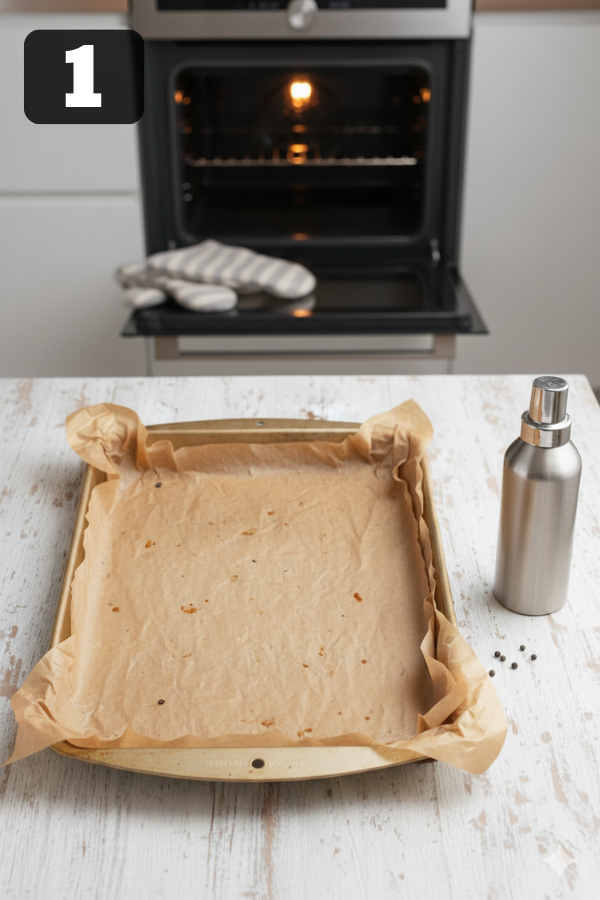
- Preheat to 400°F for a balanced roast that’s forgiving.
- Line with parchment or lightly oil/spray (balsamic can get sticky).
- Use a large sheet pan so everything can spread out (crowding = steaming).
2) Mix the glaze
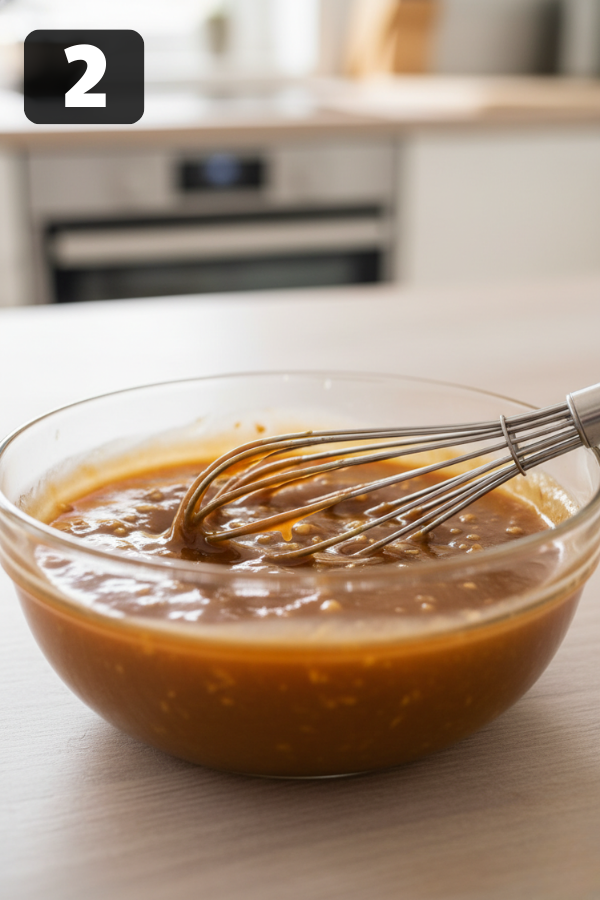
Pick your route:
- Fast route: whisk balsamic + Italian dressing.
- Homemade route: whisk balsamic + olive oil + honey + garlic + Italian seasoning + salt/pepper.
3) Season and (quick) marinate the chicken
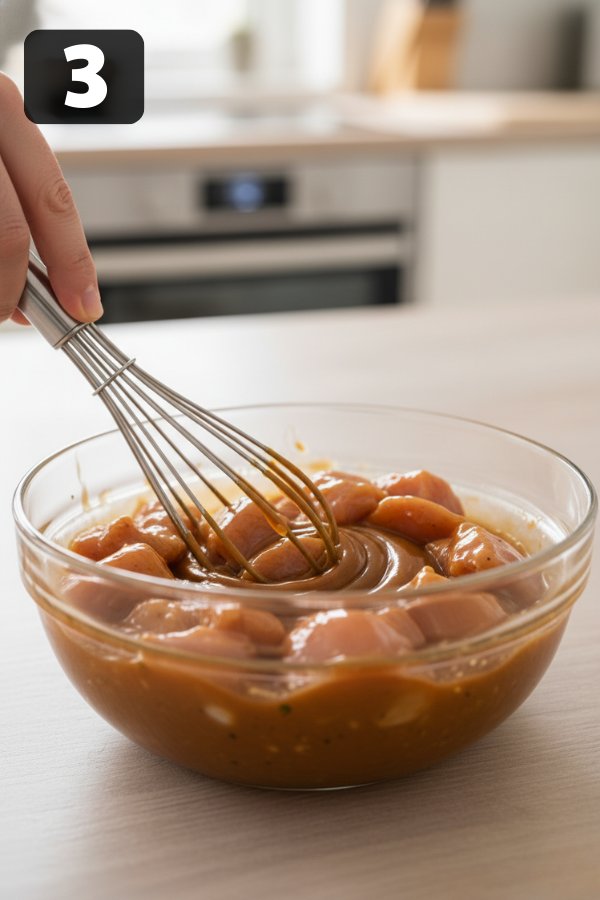
- Toss chicken with some of the glaze.
- If you can spare 15 minutes, let it sit while you chop veggies—this small pause pays off in flavor.
- If you’re planning ahead, you can marinate longer, but it’s not required for a good weeknight result.
4) Prep veggies with roasting in mind
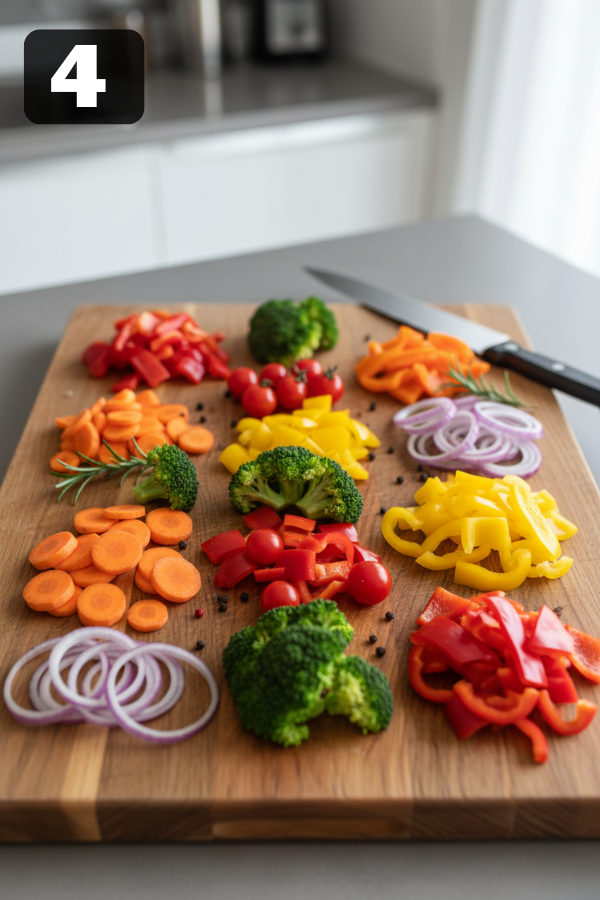
Here’s the thing: the biggest “why didn’t this turn out?” moment is usually timing, not skill.
- Cut fast-cooking veg (zucchini, peppers) into chunkier pieces so they don’t go soft too fast.
- Cut slow-cooking veg (carrots) smaller or thinner.
- Keep broccoli florets fairly even so the tops char a bit while stems soften.
5) Start roasting the veggies first (optional, but smart)
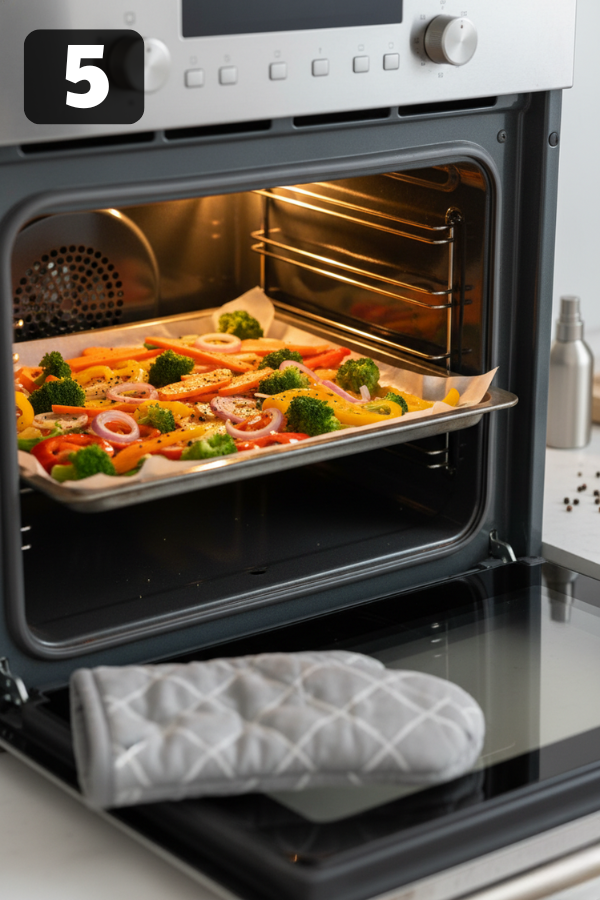
If you’re using carrots + broccoli, giving them a head start helps.
- Roast veggies for 10–15 minutes, then add chicken.
This prevents chicken from drying out while the carrots catch up.
6) Add chicken and glaze—then roast until done
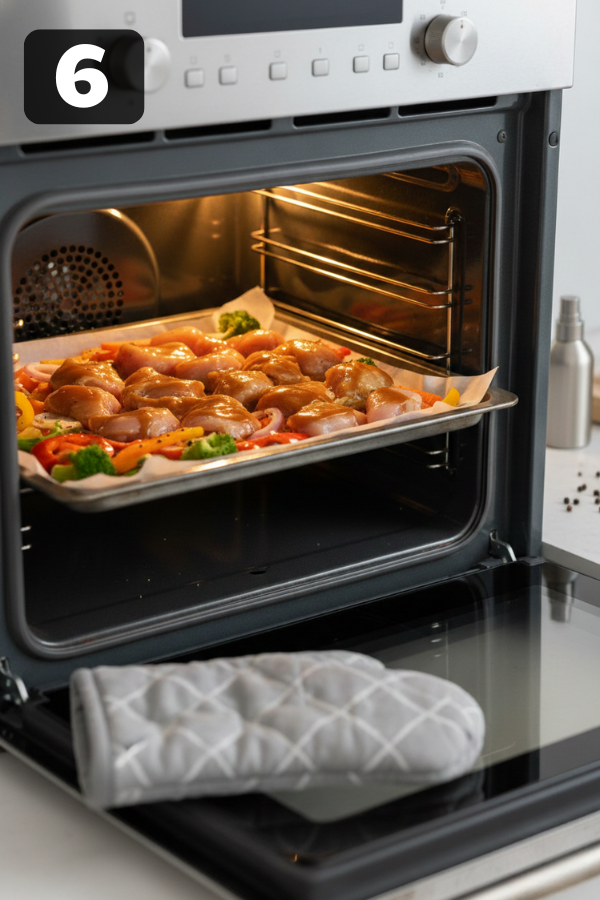
- Push veggies to the sides, nestle chicken in the center/open spots.
- Brush or drizzle more glaze over the chicken.
- Roast another 7–15 minutes, depending on chicken size/cut.
If you’re doing diced chicken:
- A practical rhythm is: roast partway, add tomatoes, then finish roasting until chicken is done.
Doneness check (don’t guess):
- Chicken should reach 165°F inside (use an instant-read thermometer if you have one).
That’s your stress-free finish line.
7) Add tomatoes at the right moment
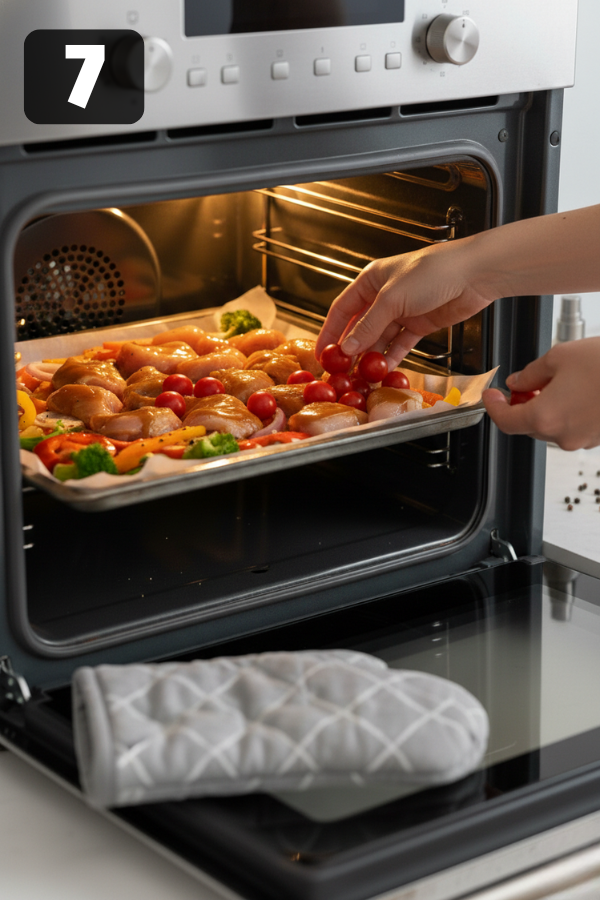
- If you like tomatoes jammy and soft: roast them the whole time.
- If you want them brighter and less collapsed: add them during the last 5–10 minutes.
8) Finish and serve
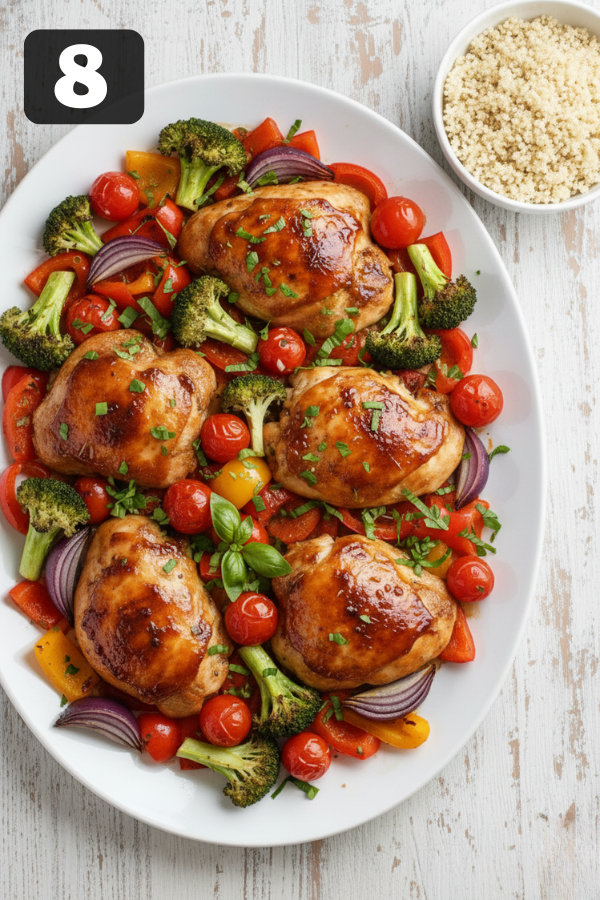
- Sprinkle herbs (basil or parsley).
- Drizzle a little extra glaze right before serving.
- Spoon those pan juices over everything like it’s a sauce. Because it is.
Tips for Success
Keep the veggies from turning soggy
- Don’t crowd the pan. Use two pans if needed.
- Try not to bury veggies under chicken. When everything is piled together, you trap steam.
Avoid dry chicken
- Cut pieces evenly so they cook at the same speed.
- Consider thighs if you tend to get distracted mid-cook.
- Pull chicken as soon as it reaches 165°F.
Make the glaze taste “glazed,” not sharp
- Add a touch of sweet (honey or maple).
- Roast at solid heat. Too low and it stays thin; too hot and it can taste bitter.
- Save a small bit of glaze for finishing so the flavor pops at the end.
Beginner / intermediate / advanced tweaks
- Beginner: stay at 400°F, keep chicken pieces uniform, add tomatoes late.
- Intermediate: give slow veggies a head start before adding chicken.
- Advanced: finish with a quick broil and fresh herbs for a brighter, “dinner-party” feel.
What to Serve With It
This meal is “complete,” but it loves a side that soaks up glaze.
Easy sides
- Rice (white or brown)
- Quinoa
- Couscous
- Crusty bread (for pan-juice dipping—no shame)
Lighter sides
- Simple arugula salad with lemon + olive oil
- Cucumber salad
- Green beans with a squeeze of lemon
Drinks (keep it simple)
- Sparkling water with lemon
- Iced tea
- If you want wine: a crisp white or a light red usually works nicely with balsamic tang.
Dessert idea (if it’s that kind of night)
- Berries + whipped cream
- Yogurt + honey + granola
FAQs
- Can I make this ahead of time?
Yes. Prep glaze + chop veggies ahead. Cook fresh for best texture. Fully cooked leftovers reheat well for 3–4 days. - Can I use chicken thighs instead of breasts?
Absolutely. Thighs stay juicier and are very forgiving. Just cook to 165°F. - What if I don’t have Italian seasoning?
Use any mix of oregano + basil + thyme. Even one herb works if garlic and balsamic are doing the main job. - Is this dish spicy?
Not by default. If you want heat, add red pepper flakes or a pinch of cayenne. - Can I use different vegetables?
Yes—just match roasting times. Slow veg (potatoes, Brussels sprouts) may need a head start. - How do I keep the glaze from burning?
Don’t overdo honey, roast around 400–425°F, and watch closely if you broil. - Do I really need a thermometer?
Not “required,” but it makes chicken cooking calmer. Chicken is done at 165°F.
Nutrition Info
Nutrition varies a lot depending on chicken cut, oil amount, and whether you use bottled dressing or a homemade mix.
Typical ranges you’ll see for recipes like this:
- Roughly 320–450 calories per serving
- High protein (often 30g+ per serving depending on portion and cut)
If you want it lighter: chicken breast + go easy on oil and sweetener.
If you want it more filling: thighs + chickpeas, and serve with quinoa or rice.
Final Thoughts
If you’re craving a dinner that feels cozy but still fresh—and you don’t want a pile of dishes staring back at you—this one-pan balsamic glazed chicken and veggies is a solid go-to. It’s the kind of recipe that meets you where you are: use thighs when you want extra juicy, use breasts when you want lighter, swap in whatever veggies are hanging around, and it still tastes like a “real” meal. Make it once and you’ll start keeping balsamic in the front of your pantry on purpose—because on busy nights, having one reliable, flavor-packed sheet-pan dinner in your back pocket is a small win that feels surprisingly big.
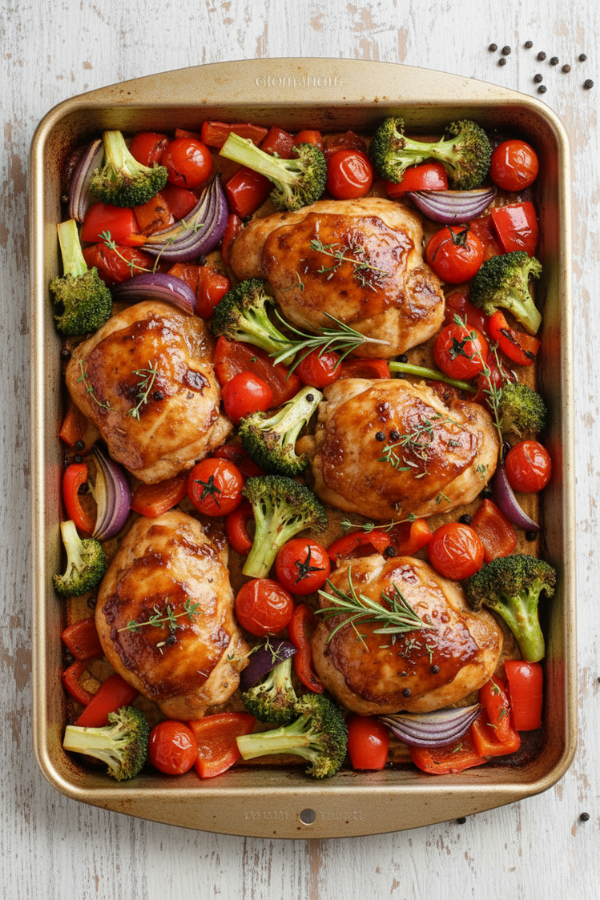
| Prep Time | 15 minutes |
| Cook Time | 20-25 minutes |
| Servings |
servings
|
- 1.5 lb boneless skinless chicken breast diced or thighs
- 1/3 cup balsamic vinegar
- 1/4 cup olive oil
- 1 Tbsp honey
- 4 cloves garlic minced
- 2 tsp Italian seasoning salt, pepper
- 1 zucchini + 1 yellow squash sliced, optional
- 1 broccoli crown florets
- 1 bell pepper chunks
- 1/2 red onion chunks
- 2 medium carrots peeled and sliced into thin coins
- 1 cups –1.5cherry tomatoes add late if desired
- Herbs for topping parsley or basil
Ingredients
|
|
- 1) Heat the oven and set up the pan Preheat to 400°F for a balanced roast that’s forgiving. Line with parchment or lightly oil/spray (balsamic can get sticky). Use a large sheet pan so everything can spread out (crowding = steaming).

- 2) Mix the glaze Pick your route: Fast route: whisk balsamic + Italian dressing. Homemade route: whisk balsamic + olive oil + honey + garlic + Italian seasoning + salt/pepper.
- 3) Season and (quick) marinate the chicken Toss chicken with some of the glaze. If you can spare 15 minutes, let it sit while you chop veggies—this small pause pays off in flavor. If you’re planning ahead, you can marinate longer, but it’s not required for a good weeknight result.
- 4) Prep veggies with roasting in mind Here’s the thing: the biggest “why didn’t this turn out?” moment is usually timing, not skill. Cut fast-cooking veg (zucchini, peppers) into chunkier pieces so they don’t go soft too fast. Cut slow-cooking veg (carrots) smaller or thinner. Keep broccoli florets fairly even so the tops char a bit while stems soften.
- 5) Start roasting the veggies first (optional, but smart) If you’re using carrots + broccoli, giving them a head start helps. Roast veggies for 10–15 minutes, then add chicken. This prevents chicken from drying out while the carrots catch up.
- 6) Add chicken and glaze—then roast until done Push veggies to the sides, nestle chicken in the center/open spots. Brush or drizzle more glaze over the chicken. Roast another 7–15 minutes, depending on chicken size/cut. If you’re doing diced chicken: A practical rhythm is: roast partway, add tomatoes, then finish roasting until chicken is done. Doneness check (don’t guess): Chicken should reach 165°F inside (use an instant-read thermometer if you have one). That’s your stress-free finish line.
- 7) Add tomatoes at the right moment If you like tomatoes jammy and soft: roast them the whole time. If you want them brighter and less collapsed: add them during the last 5–10 minutes.
- 8) Finish and serve Sprinkle herbs (basil or parsley). Drizzle a little extra glaze right before serving. Spoon those pan juices over everything like it’s a sauce. Because it is.
