
High-Protein “Marry Me” Chicken Pasta
If you love cozy pasta but also care about protein, this High-Protein “Marry Me” Chicken Pasta gives you both in one pan. Juicy chicken, a silky cottage cheese sun-dried tomato sauce, and tender pasta shells come together in under 30 minutes for a weeknight dinner that tastes like you fussed way more than you did. It’s rich, garlicky, and romantic enough for date night, but simple and macro-friendly enough for meal prep.
Why You’ll Love This High-Protein “Marry Me” Chicken Pasta
Comfort food that still fits your goals
This isn’t “diet pasta,” and it shouldn’t taste like it. The sauce is rich, garlicky, and a little tangy from sun-dried tomatoes and Parmesan. But under the cozy flavor, it quietly checks the boxes your macros app cares about:
- Lean protein everywhere: chicken breast, cottage cheese or Greek yogurt, Parmesan, and even chickpea or lentil pasta if you choose it.
- Around 50–60g protein per serving when you use high-protein pasta and a generous portion of chicken.
- Lighter than the original: cottage cheese can stand in for heavy cream, giving the same creamy look with fewer calories and more protein.
So you still get that “creamy Tuscan chicken” vibe without feeling like you have to lie down afterward.
Weeknight-friendly and minimal cleanup
Here’s the thing: if a recipe asks you to wash five pans, you’ll probably make it once…then never again. This one respects your sink.
- Time: about 20–30 minutes from start to finish if you multitask—boiling pasta while the chicken sears and the sauce blends.
- Gear: one big skillet and a pot, or even a one-pot method where pasta simmers directly in the sauce.
- Meal prep-friendly: it reheats surprisingly well with a splash of broth or milk, which is exactly why it works so well for work lunches.
Flexible for how you actually eat
Gluten-free? Use chickpea or other gluten-free pasta.
Want it lighter? Shrink the pasta amount, bump up spinach and other veg, and you still get a full, satisfying bowl.
You can also dial the spice up or down, make it extra saucy, or keep it thick and clingy—like the sauce wants to hug every noodle.
Ingredients
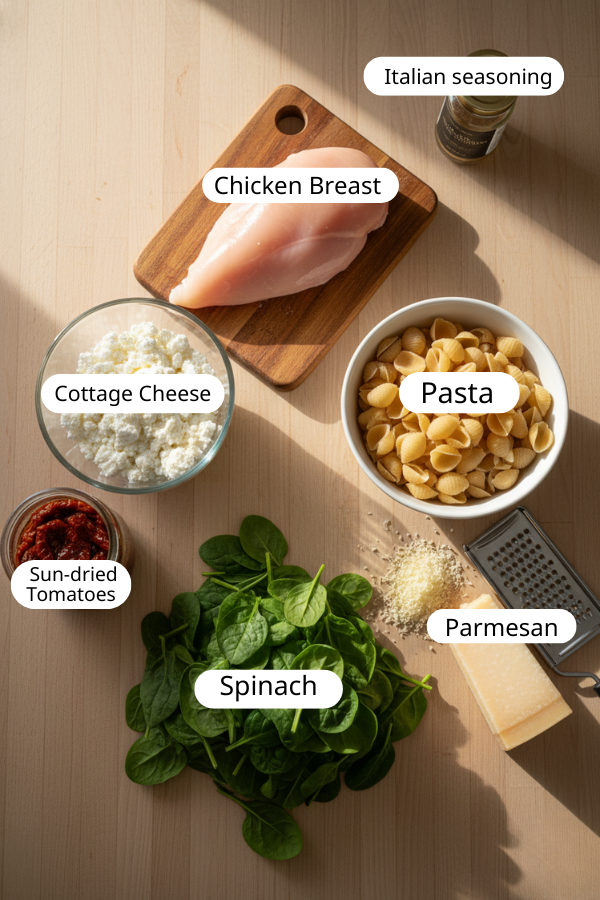
You can treat this as a template. If your pantry doesn’t match exactly, don’t panic—there’s room to adjust.
The high-protein base
- Chicken breast – about 1½–2 pounds, boneless and skinless, cut into bite-size pieces
- You can swap in chicken thighs for more richness or shredded rotisserie chicken when you’re really tired.
- Pasta – 10–12 ounces of short pasta
- Chickpea or lentil shells, penne, or rotini if you want extra protein and fiber plus a gluten-free result.
- Regular wheat pasta works too; your protein count will just be a little lower.
The creamy cottage cheese sauce
- Cottage cheese – about 1½–2 cups, low-fat or full-fat
- Blending it makes it mimic cream and melt into a silky sauce.
- Chicken broth or bone broth – ½–1 cup
- Bone broth adds a tiny bit more protein and depth.
- Garlic – 3–4 cloves, minced (or garlic powder if that’s what you have)
- Sun-dried tomatoes in oil – roughly ½–¾ cup, chopped
- Use some of the oil from the jar as your cooking fat for extra flavor.
- Parmesan – ½–1 cup, freshly grated
- Spinach – 1–2 cups fresh, roughly chopped, or thawed frozen spinach squeezed dry
Seasoning that makes it “Marry Me”
- Italian seasoning or a mix of dried basil, oregano, and thyme
- Smoked paprika
- Red pepper flakes (more if you like a little heat)
- Salt and black pepper
- Optional: a squeeze of lemon at the end to brighten everything up
Step-by-Step Instructions
Let’s walk through it step by step. If you can sauté chicken and boil pasta, you can absolutely pull this off.
Step 1 – Season and sear the chicken
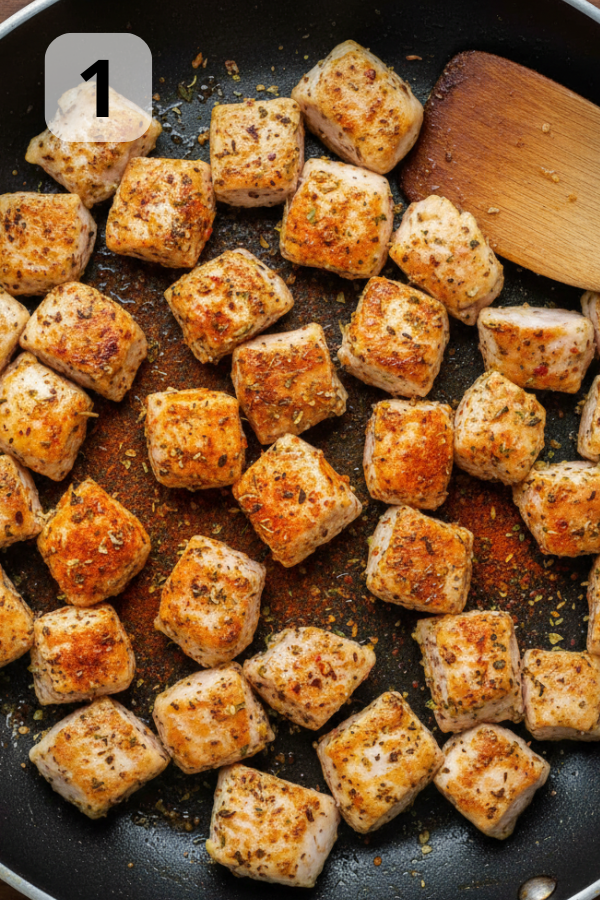
Season your chicken pieces generously with salt, Italian seasoning, smoked paprika, and a pinch of garlic powder.
Heat a large skillet over medium-high heat. Add a spoonful of the oil from the sun-dried tomatoes—this is where a lot of the flavor lives.
Add the chicken in a single layer. Don’t crowd the pan; cook in two batches if you need to. Let the chicken sit for a few minutes before flipping so it can get that golden, slightly crisp edge. Cook until just done in the center, then transfer to a plate.
Here’s a little sanity check: if the chicken looks cooked but not deeply browned, that’s okay. You’re building flavor from the sauce too, not only from searing.
Step 2 – Boil the pasta (or cook it right in the pan)
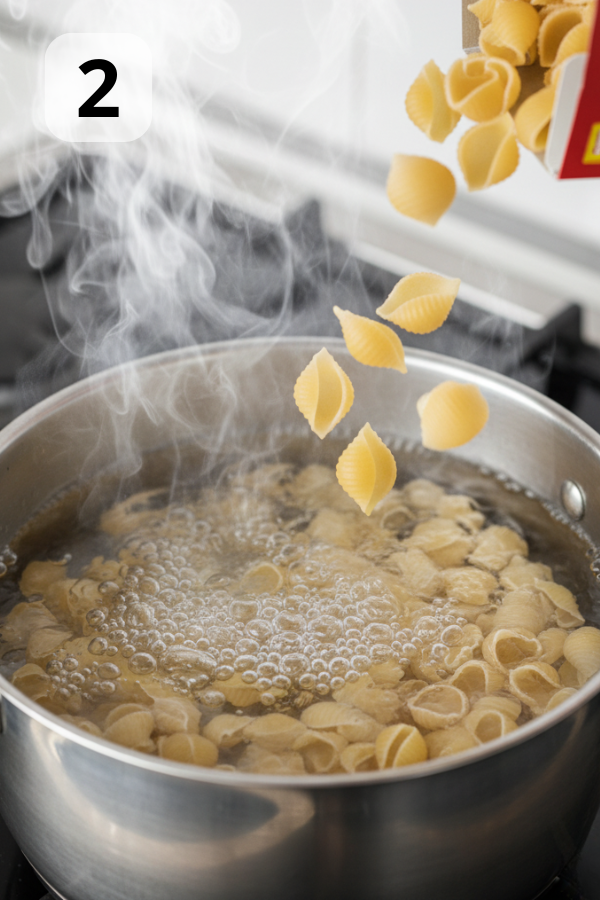
While the chicken cooks, bring a big pot of salted water to a boil. Add pasta and cook it one minute shy of al dente, especially if you’re using chickpea shells (they can go soft fast).
Scoop out a cup of pasta water and set it aside, then drain the pasta.
If you’re more into one-pan dinners, you can skip the separate pot and simmer dry pasta directly in broth and sauce in the skillet. You’ll just need to watch the liquid so it doesn’t dry out.
Step 3 – Blend the high-protein sauce
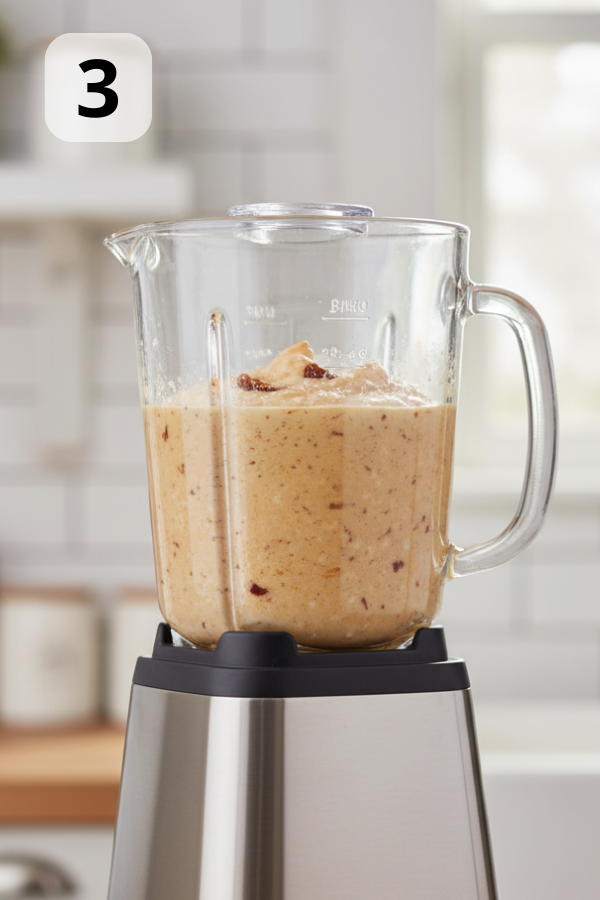
Add the cottage cheese, broth, garlic, a tablespoon or two of sun-dried tomato oil, and a small handful of chopped sun-dried tomatoes to a blender. Blend until completely smooth—no visible curds, just a creamy, pale orange sauce.
Many cottage-cheese-based recipes turn out much better when the sauce is blended a bit longer than feels necessary—that’s what turns “slightly grainy” into “restaurant-smooth.”
Taste the sauce here. If you want it thinner, add a splash more broth. If you want more punch, toss in a bit of Italian seasoning or red pepper flakes and give it one more quick blend.
Step 4 – Build the sauce in the pan
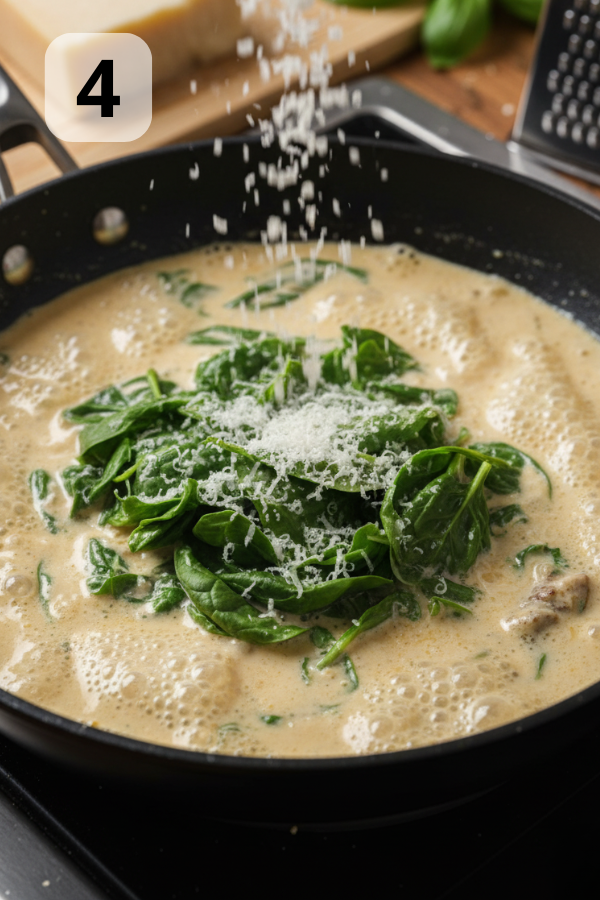
Back to your skillet. If it looks dry, add a little more sun-dried tomato oil or broth.
Add a spoonful of tomato paste if you like a deeper color and flavor. Stir it for a minute, then pour in your blended cottage cheese sauce.
Turn the heat down to medium-low. Sprinkle in the chopped sun-dried tomatoes and the spinach. Stir until the spinach just wilts and the sauce starts to steam gently.
Now, add the grated Parmesan in small handfuls, stirring as it melts. Keep the heat gentle here—letting the sauce boil hard is the quickest way to make dairy sauces split. A soft simmer is your friend.
Step 5 – Bring the chicken and pasta back to the party
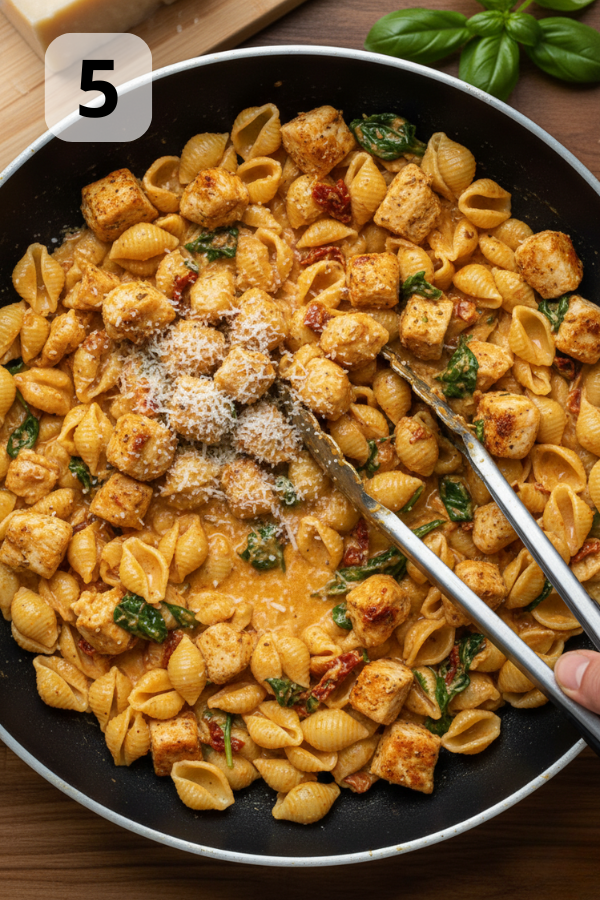
Add the cooked chicken (and any juices on the plate) to the skillet. Stir to coat it in the sauce.
Then add your pasta. Toss everything together so the sauce clings to every shell or twist. If the sauce feels too thick, use splashes of the reserved pasta water or extra broth until it reaches that “luxuriously creamy but still clings to the spoon” stage.
Taste and adjust:
- Needs salt? Add a bit more.
- Too rich? A tiny squeeze of lemon wakes it up.
- Want more heat? Sprinkle on extra red pepper flakes.
Step 6 – Plate it like you mean it
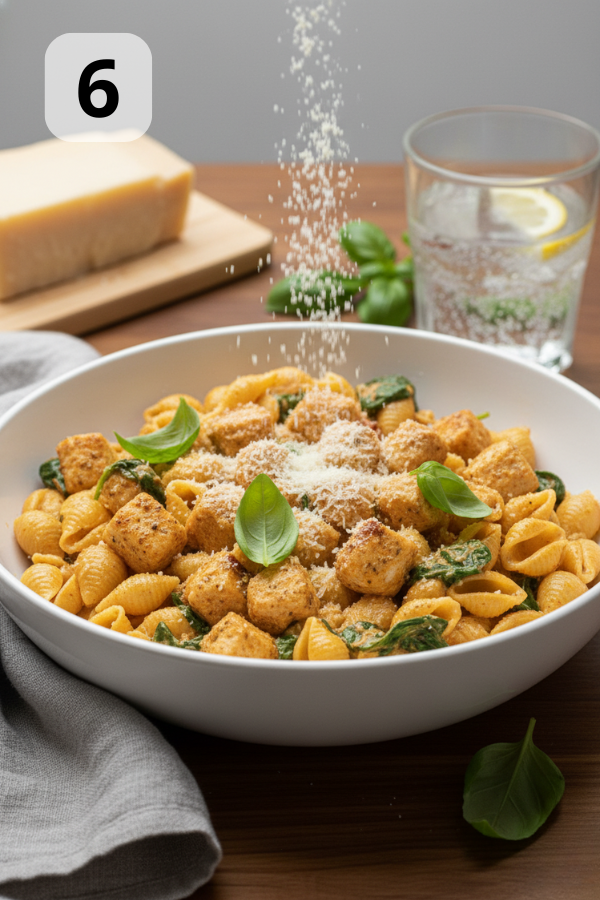
Spoon the pasta into warm bowls. Shower with extra Parmesan and a few ribbons of fresh basil if you have them.
Now you have that funny tension: is this a date-night pasta or a meal prep box? Honestly, it works as both. The flavor feels special enough for Friday night, but the macros and reheating ability make it great for weekday lunches.
Tips for Success
- Blend cottage cheese well. Grainy sauce almost always comes from stopping the blender too early or overheating dairy afterward.
- Don’t scorch the pan. If the browned bits in your skillet ever smell burned, splash in broth and scrape gently before adding your sauce. You want deep flavor, not bitterness.
- Go slightly under on the pasta. Especially with chickpea or lentil pasta, a minute less than al dente keeps it from going mushy once it sits in hot sauce.
- Start with less salt, finish with more. Parmesan and sun-dried tomatoes are salty; it’s easier to add more at the end than to fight an over-salty pan.
If your first batch isn’t “perfect,” don’t stress. Most home cooks tweak this kind of recipe two or three times until it feels like their version. You’re allowed to do the same.
Storage, Leftovers, and Meal Prep
This is one of those recipes that actually works better as a next-day lunch than most cream-based pastas.
- Fridge: store in airtight containers for 3–4 days.
- Reheat: warm gently on the stovetop with a splash of broth or milk; or microwave in short bursts, stirring between rounds so the sauce loosens instead of drying out.
- Freezer: cottage cheese sauces can separate when frozen. You can freeze it, but expect the texture to change a bit.
For meal prep, you can portion out the pasta into 4 or 5 containers, aiming for about 45–60g of protein per box and pairing it with extra spinach or a side salad.
What to Serve With High-Protein “Marry Me” Chicken Pasta
You don’t need much here, but a few small additions can round it out.
- A simple green salad with lemon vinaigrette
- Roasted broccoli, asparagus, or green beans
- Garlic bread or a warm baguette if no one is watching carbs tonight
- Sparkling water with lemon, iced tea, or a chilled glass of sauvignon blanc if it’s been that kind of day
Keep sides light and fresh. The pasta already does the “comfort” heavy lifting.
FAQs
- Can I make this ahead of time?
Yes. Cook the pasta, cool it completely, then store it in airtight containers in the fridge for 3–4 days. Reheat gently with a splash of broth or milk so the sauce turns creamy again. - Can I use Greek yogurt instead of cottage cheese?
You can. The sauce will be a bit tangier and slightly thinner, so use a little less broth and keep the heat low so it doesn’t split. - What pasta type works best?
Short shapes like shells, penne, rotini, or cavatappi hold the sauce really well. If you want more protein and fiber, use chickpea or lentil pasta. - How do I make it lighter?
Use low-fat cottage cheese, a bit less Parmesan, and add more spinach or other veggies while slightly reducing the pasta amount. - How do I keep the sauce from turning grainy?
Blend the cottage cheese until completely smooth and never let the sauce boil hard after you add the dairy—gentle simmer only.
Nutrition Snapshot
Exact numbers will depend on your brands and portion size, but if you follow a high-protein pattern—cottage cheese sauce, chickpea pasta, and a generous serving of chicken—you’re roughly looking at something like this per large serving:
- Calories: about 700–800
- Protein: about 50–60g
- Carbs: about 60–80g (less if you reduce pasta)
- Fat: about 20–30g
Think of it as “a gym-friendly pasta that still feels like a treat,” not just another dry chicken meal.
Final Thoughts
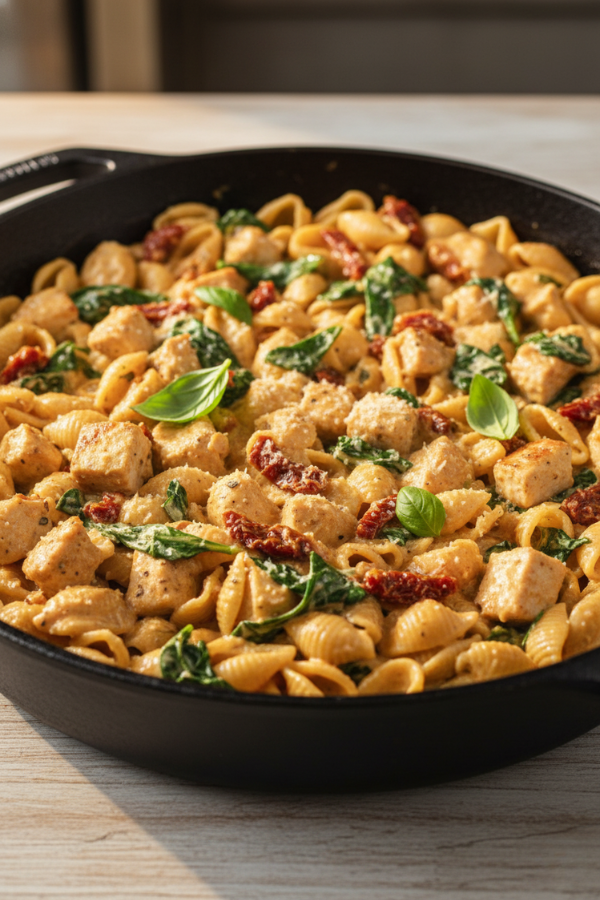
High-Protein “Marry Me” Chicken Pasta is the kind of weeknight recipe that feels like comfort food but still respects your protein goals—creamy, garlicky, and a little romantic, yet packed with about 50–60g protein per bowl. It works for date night, meal prep, or a “long day, need something good” dinner, and you can tweak it easily: swap in chickpea pasta, add extra spinach, tone down the spice for kids, or turn the heat up for yourself. It’s less just a recipe and more a flexible, go-to template you’ll keep coming back to.
| Prep Time | 10 minutes |
| Cook Time | 20 minutes |
| Servings |
servings
|
- 1 lb ½–2chicken breast cut small
- 10 oz –12short pasta chickpea or wheat
- 1 cups ½–2cottage cheese
- cup ½–1chicken or bone broth
- cup ½–¾sun-dried tomatoes in oil chopped
- cup ½–1grated Parmesan
- 1 cups –2spinach
- garlic Italian seasoning, smoked paprika, red pepper flakes, salt, pepper
Ingredients
|
|
- Step 1 – Season and sear the chicken Season your chicken pieces generously with salt, Italian seasoning, smoked paprika, and a pinch of garlic powder. Heat a large skillet over medium-high heat. Add a spoonful of the oil from the sun-dried tomatoes—this is where a lot of the flavor lives. Add the chicken in a single layer. Don’t crowd the pan; cook in two batches if you need to. Let the chicken sit for a few minutes before flipping so it can get that golden, slightly crisp edge. Cook until just done in the center, then transfer to a plate. Here’s a little sanity check: if the chicken looks cooked but not deeply browned, that’s okay. You’re building flavor from the sauce too, not only from searing.

- Step 2 – Boil the pasta (or cook it right in the pan) While the chicken cooks, bring a big pot of salted water to a boil. Add pasta and cook it one minute shy of al dente, especially if you’re using chickpea shells (they can go soft fast). Scoop out a cup of pasta water and set it aside, then drain the pasta. If you’re more into one-pan dinners, you can skip the separate pot and simmer dry pasta directly in broth and sauce in the skillet. You’ll just need to watch the liquid so it doesn’t dry out.
- Step 3 – Blend the high-protein sauce Add the cottage cheese, broth, garlic, a tablespoon or two of sun-dried tomato oil, and a small handful of chopped sun-dried tomatoes to a blender. Blend until completely smooth—no visible curds, just a creamy, pale orange sauce. Many cottage-cheese-based recipes turn out much better when the sauce is blended a bit longer than feels necessary—that’s what turns “slightly grainy” into “restaurant-smooth.” Taste the sauce here. If you want it thinner, add a splash more broth. If you want more punch, toss in a bit of Italian seasoning or red pepper flakes and give it one more quick blend.
- Step 4 – Build the sauce in the pan Back to your skillet. If it looks dry, add a little more sun-dried tomato oil or broth. Add a spoonful of tomato paste if you like a deeper color and flavor. Stir it for a minute, then pour in your blended cottage cheese sauce. Turn the heat down to medium-low. Sprinkle in the chopped sun-dried tomatoes and the spinach. Stir until the spinach just wilts and the sauce starts to steam gently. Now, add the grated Parmesan in small handfuls, stirring as it melts. Keep the heat gentle here—letting the sauce boil hard is the quickest way to make dairy sauces split. A soft simmer is your friend.
- Step 5 – Bring the chicken and pasta back to the party Add the cooked chicken (and any juices on the plate) to the skillet. Stir to coat it in the sauce. Then add your pasta. Toss everything together so the sauce clings to every shell or twist. If the sauce feels too thick, use splashes of the reserved pasta water or extra broth until it reaches that “luxuriously creamy but still clings to the spoon” stage. Taste and adjust: Needs salt? Add a bit more. Too rich? A tiny squeeze of lemon wakes it up. Want more heat? Sprinkle on extra red pepper flakes.
- Step 6 – Plate it like you mean it Spoon the pasta into warm bowls. Shower with extra Parmesan and a few ribbons of fresh basil if you have them. Now you have that funny tension: is this a date-night pasta or a meal prep box? Honestly, it works as both. The flavor feels special enough for Friday night, but the macros and reheating ability make it great for weekday lunches.
