
High-Protein Korean Ground Beef Rice Bowl
If you’ve got a pack of ground beef sitting in the fridge and no energy for a long recipe, this bowl is your new weeknight hero.
Korean-style ground beef bowls have become a go-to for a lot of home cooks because they hit that sweet spot: quick, saucy, and satisfying. Many popular versions land around 20–30 minutes total and roughly 30 grams of protein per serving when made with lean beef and rice.
This version keeps that speed, leans into the flavor, and quietly builds in more protein with smart add-ins—without feeling like “diet food.”
Why This Bowl Works So Well On Busy Nights
You know those evenings when your brain is done but people still need to eat? This recipe is built for that exact moment.
- Fast: You cook the rice, brown the beef, simmer a quick sauce, and you’re done in about 20–30 minutes.
- High protein: Using lean ground beef plus simple extras like egg or edamame makes it easy to hit roughly 30–35 grams of protein per bowl.
- Kid and partner friendly: The base sauce is sweet-savory with garlic and ginger, and you can keep the heat mild while adults add chili paste on top.
- Flexible for different goals: Want low-carb? Use cauliflower rice. Need meal prep? These bowls keep well and reheat nicely.
So yes, it’s a high-protein recipe. But more importantly, it’s the kind of bowl you’ll actually want to cook again next week.
Ingredients
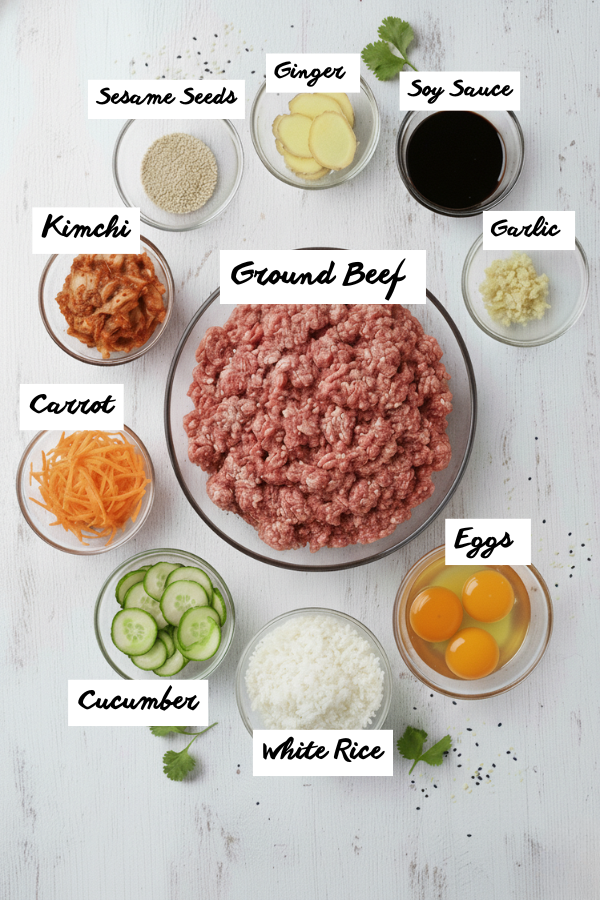
Let’s break things down into easy groups. You don’t need anything fancy—most of this is pantry-plus-fridge territory.
Ground Beef And Extra Protein
- 1 lb (about 450 g) lean ground beef, 90–96% lean
- Lean beef keeps fat lower while giving plenty of protein per serving.
- Optional protein boosters (pick 1–2):
- Fried or jammy egg (about +6–7 g protein)
- ½ cup shelled edamame (about +8–9 g protein)
- ½ cup low-fat cottage cheese on the side or under the beef (about +12–14 g protein)
- Crispy tofu cubes if you’re cooking for a mixed meat + plant-based household
You don’t have to add all of those, of course. But on nights when you want a “power bowl,” they help push the protein per serving up without much extra work.
Korean-Style Sauce
Most Korean beef bowls lean on a similar flavor pattern: soy, a little sweetness, garlic, ginger, sesame, and a touch of heat.
You’ll need:
- Low-sodium soy sauce or tamari (for gluten-free)
- Brown sugar or honey (or a low-calorie sweetener if you’re watching sugar)
- Minced garlic (2–4 cloves)
- Grated fresh ginger (1–2 teaspoons)
- Toasted sesame oil (1–2 teaspoons)
- Red pepper flakes (start small; you can always add more)
- Optional: Korean chili paste (gochujang) for deeper sweet heat
This gives you that classic bulgogi-style profile without long marinating or special cuts of meat.
Rice And Base Options
This is where you can steer the bowl toward comfort, lower carbs, or higher fiber.
- White rice (jasmine or long-grain): fluffy, neutral, family-friendly
- Brown rice: more fiber and steady energy, keeps the bowl filling
- Cauliflower rice: a low-carb, veggie-heavy base
- Half-and-half: ½ rice, ½ cauliflower rice in each bowl for a middle ground
If you’re tired and hungry, pre-cooked or frozen rice is your friend. That’s how many “20-minute” recipes manage to stay so quick.
Veggies And Toppings
Here’s where you bring in crunch, color, and freshness. A simple combination already makes the bowl feel complete.
- Sliced cucumbers (English or Persian)
- Shredded carrots
- Kimchi or pickled radish
- Handful of baby spinach or shredded lettuce
- Green onions (scallions), thinly sliced
- Toasted sesame seeds
- Lime or lemon wedges
- Optional: avocado slices for creaminess
If that looks like a lot, don’t stress. Even just rice + beef + cucumber + scallions tastes balanced.
Step-by-Step Instructions
You can think of this as three mini tasks: base, beef, toppings. They overlap nicely so you’re not standing around.
1. Get Your Base Going
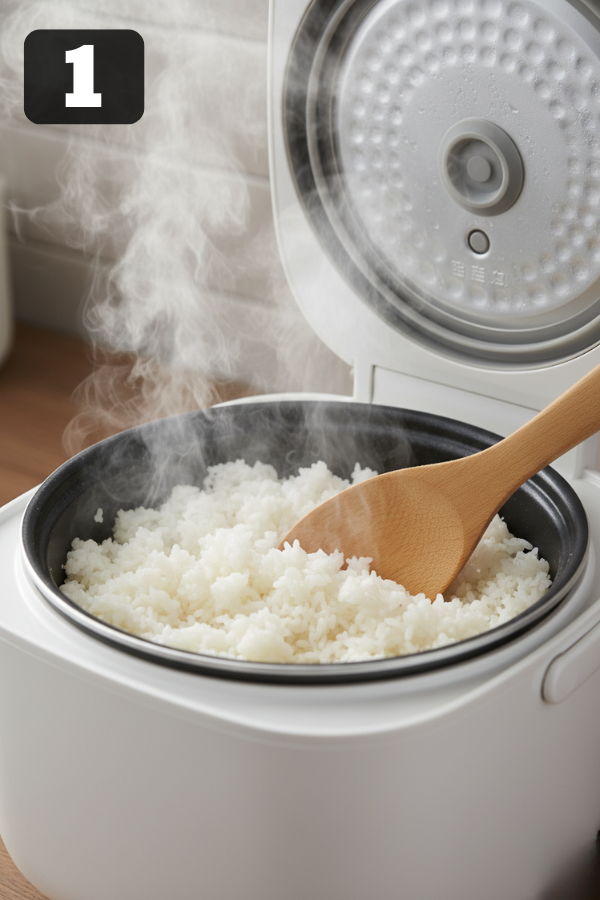
Start with whatever will take the longest.
- Cook white or brown rice following the package instructions, or warm up frozen rice.
- If using cauliflower rice, sauté it in a little oil for about 5–7 minutes with salt and pepper until just tender.
Once it’s done, cover the pot or container so it stays warm.
2. Stir Together The Sauce
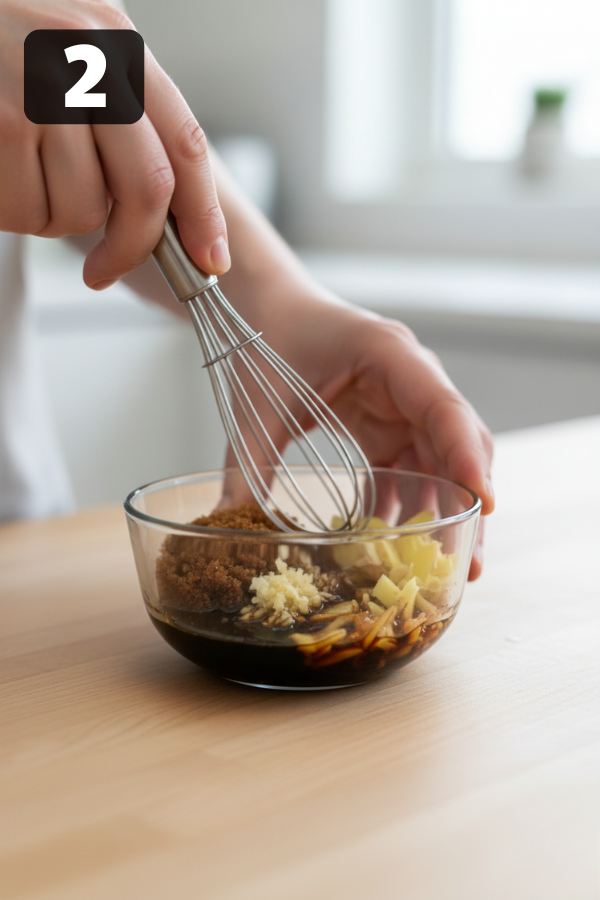
While the rice cooks, mix the sauce in a small bowl:
- Soy or tamari
- Sweetener (brown sugar, honey, or low-calorie sweetener)
- Garlic
- Ginger
- Sesame oil
- Red pepper flakes
Taste it. You want salty, slightly sweet, and a warm garlic-ginger aroma. If it tastes good now, it’ll taste even better after it cooks into the beef.
3. Brown The Beef Properly
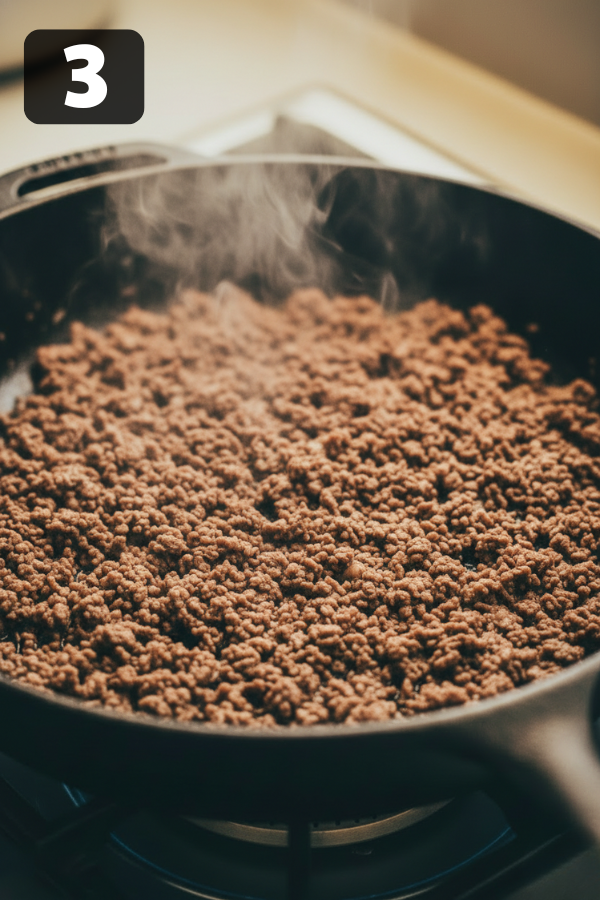
This is the part that makes the whole bowl taste like it came from a restaurant instead of a microwave meal.
- Heat a large skillet over medium-high until hot.
- Add the beef (a teaspoon of oil if your pan isn’t nonstick).
- Break it up and then, here’s the important bit, let it sit for 2–3 minutes at a time so the edges can caramelize.
- Cook until there’s no pink left and you see browned bits on the bottom.
If there’s a lot of fat in the pan, you can spoon some off. With lean beef, you usually don’t need to.
4. Add Aromatics And Sauce
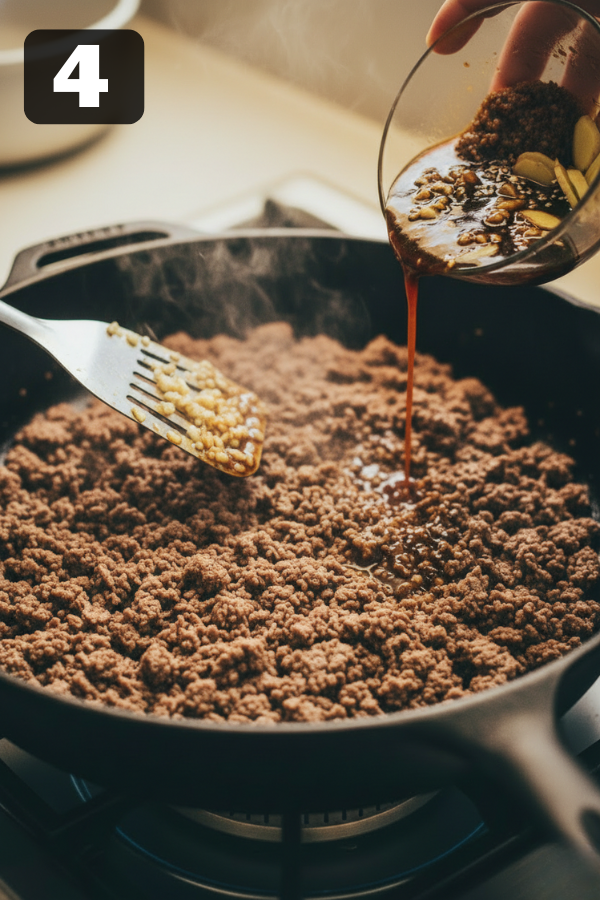
Now you’re building that classic Korean bowl smell that makes everyone wander into the kitchen.
- Push the beef to one side.
- Add a little more oil if the pan is dry, then cook the garlic and ginger for about 30–60 seconds until fragrant.
- Pour in the sauce and stir to coat the meat.
- Let it simmer for 5–10 minutes until the liquid thickens and clings to the beef.
You should see a glossy, slightly sticky sauce hugging every crumble.
5. Prep Your Toppings While It Simmers
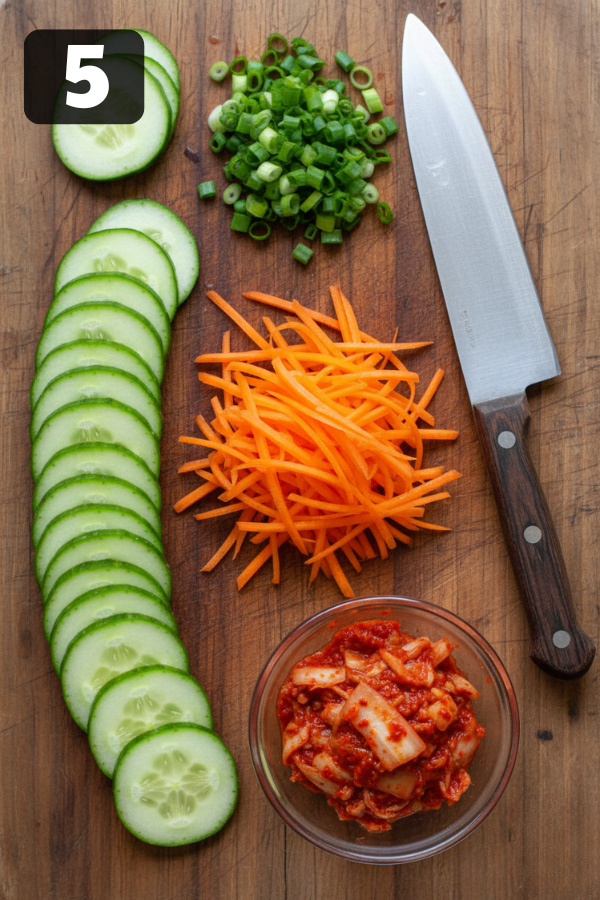
While the beef quietly bubbles:
- Slice cucumbers and carrots.
- Rinse and dry your greens.
- Chop scallions.
- Fry or soft-boil eggs if you’re using them.
This is also your “clean as you go” window—future you will be very grateful.
6. Build Your Bowls
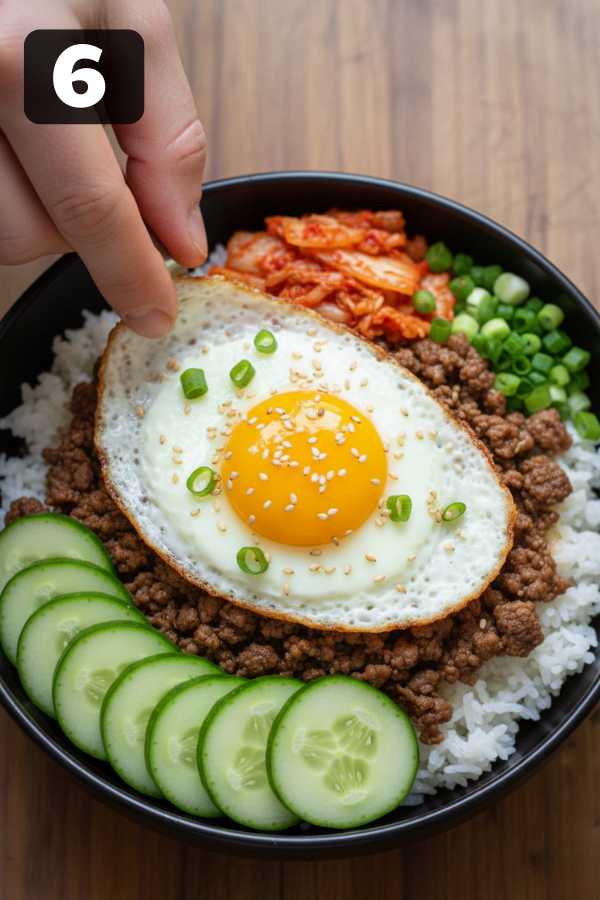
Now for the fun part.
- Add rice or cauliflower rice to each bowl.
- Spoon a generous layer of beef on top. One pound of beef usually makes 4 good servings; if you want extra protein, lean toward bigger beef scoops.
- Arrange cucumbers, carrots, greens, and kimchi around the edges.
- Add your protein boosters: egg, edamame, cottage cheese, or tofu.
- Sprinkle with scallions and sesame seeds.
- Finish with a drizzle of gochujang or chili crisp for anyone who likes heat.
Serve right away while the beef is hot and the veggies are still crisp.
Little Tips That Make A Big Difference
These bowls are forgiving, but a few small details really help.
Make The Flavor Pop
- Don’t rush the browning. That 2–3 minute pause you give the beef in the hot pan builds the deep flavor you taste in restaurant bowls.
- Adjust sweetness at the end. Start with about 1–2 tablespoons of sugar or honey per pound of beef, then tweak to your taste.
- Keep the heat flexible. For families, keep the base mild and let each person add chili paste or chili crisp at the table.
Max Out The Protein Without Making It Heavy
If you care about macros, this part matters.
- Use lean beef (around 93% lean or higher).
- Add an egg or edamame to each bowl.
- Slightly increase the beef portion while shaving the rice portion a bit.
- Use high-protein sides like Greek yogurt or cottage cheese on the side if you want more protein without a bigger portion of meat.
Save Time Where It Counts
You can absolutely pull this off on a 20-minute weeknight.
- Use microwave-ready rice or frozen rice.
- Keep minced garlic, ginger paste, and frozen veggies on hand.
- Double the beef and sauce when you have energy, and freeze half for a future “too tired to cook” night.
What Goes Well With A Korean Ground Beef Rice Bowl?
You honestly don’t need much, but if you want to round out the meal:
- A simple cucumber salad with rice vinegar, sesame oil, and sesame seeds
- Steamed or roasted broccoli, green beans, or Brussels sprouts
- Unsweetened iced green tea or barley tea for a Korean-style feel
- Fresh fruit or Greek yogurt with honey for a light dessert
It’s the kind of dinner that feels “put together” even when it was mostly raid-the-fridge energy.
Nutrition Snapshot & High Protein Tweaks
Let’s talk numbers for a second.
If you build a bowl with:
- ¾ cup cooked brown rice
- 4–5 oz cooked 93% lean ground beef
- A good handful of veggies
- A moderate amount of sauce
You’ll land roughly around:
- 390–420 calories
- 30–35 g protein
- 40–50 g carbs
- 9–12 g fat
- 3–5 g fiber
Want even more protein without making the bowl huge?
- Swap some rice for cauliflower rice.
- Add an egg or edamame.
- Use cottage cheese or tofu under the beef as a “creamy base.”
Small shifts, big payoff.
Common Questions
- Can I use another meat instead of ground beef?
Yes. Ground turkey or chicken works very well. Just watch the pan—they dry out faster, so don’t overcook. - Is it very spicy?
It doesn’t have to be. The base recipe can be only mildly spicy and rely on optional chili flakes or gochujang. Keep those on the side if you’re cooking for kids. - Can I make this ahead for lunches?
Definitely. Korean-style ground beef bowls are great for meal prep, since the sauce keeps the beef moist and reheats well. Just store the crunchy toppings separately. - What if my beef turned out watery, not browned?
Your pan was probably crowded or not hot enough. Next time, use a bigger skillet, cook in two batches, and let the meat sit for a couple of minutes before stirring so it can caramelize.
Final Thoughts
This bowl gives you a lot of protein, steady carbs, and a reasonable amount of fat in one simple meal, so it fits nicely into a busy week without feeling restrictive or fussy. You still get comfort-food flavor, but with numbers that support your energy, your workouts, and those long workdays when you need dinner to actually carry you through the evening.
| Prep Time | 10 minutes |
| Cook Time | 15 minutes |
| Servings |
servings
|
- 1 lb lean ground beef 450 g, 90–96% lean
- 3 cups cooked rice or cauliflower rice white or brown
- 2 cloves –4garlic minced
- 1 tsp –2fresh ginger grated
- cup ¼low-sodium soy sauce or tamari
- 2 tbsp –3brown sugar or honey to taste
- 1 tsp –2toasted sesame oil
- tsp ¼–½red pepper flakes optional
- 1 cup sliced cucumbers
- 1 cup shredded carrots or other veggies (spinach lettuce, etc.)
- 2 –4 fried or soft-boiled eggs (optional for extra protein)
- 2 tbsp sliced green onions
- 1 tbsp toasted sesame seeds
Ingredients
|
|
- Get Your Base Going Start with whatever will take the longest. Cook white or brown rice following the package instructions, or warm up frozen rice. If using cauliflower rice, sauté it in a little oil for about 5–7 minutes with salt and pepper until just tender. Once it’s done, cover the pot or container so it stays warm.

- Stir Together The Sauce While the rice cooks, mix the sauce in a small bowl: Soy or tamari Sweetener (brown sugar, honey, or low-calorie sweetener) Garlic Ginger Sesame oil Red pepper flakes Taste it. You want salty, slightly sweet, and a warm garlic-ginger aroma. If it tastes good now, it’ll taste even better after it cooks into the beef.
- Brown The Beef Properly This is the part that makes the whole bowl taste like it came from a restaurant instead of a microwave meal. Heat a large skillet over medium-high until hot. Add the beef (a teaspoon of oil if your pan isn’t nonstick). Break it up and then, here’s the important bit, let it sit for 2–3 minutes at a time so the edges can caramelize. Cook until there’s no pink left and you see browned bits on the bottom. If there’s a lot of fat in the pan, you can spoon some off. With lean beef, you usually don’t need to.
- Add Aromatics And Sauce Now you’re building that classic Korean bowl smell that makes everyone wander into the kitchen. Push the beef to one side. Add a little more oil if the pan is dry, then cook the garlic and ginger for about 30–60 seconds until fragrant. Pour in the sauce and stir to coat the meat. Let it simmer for 5–10 minutes until the liquid thickens and clings to the beef. You should see a glossy, slightly sticky sauce hugging every crumble.
- Prep Your Toppings While It Simmers While the beef quietly bubbles: Slice cucumbers and carrots. Rinse and dry your greens. Chop scallions. Fry or soft-boil eggs if you’re using them. This is also your “clean as you go” window—future you will be very grateful.
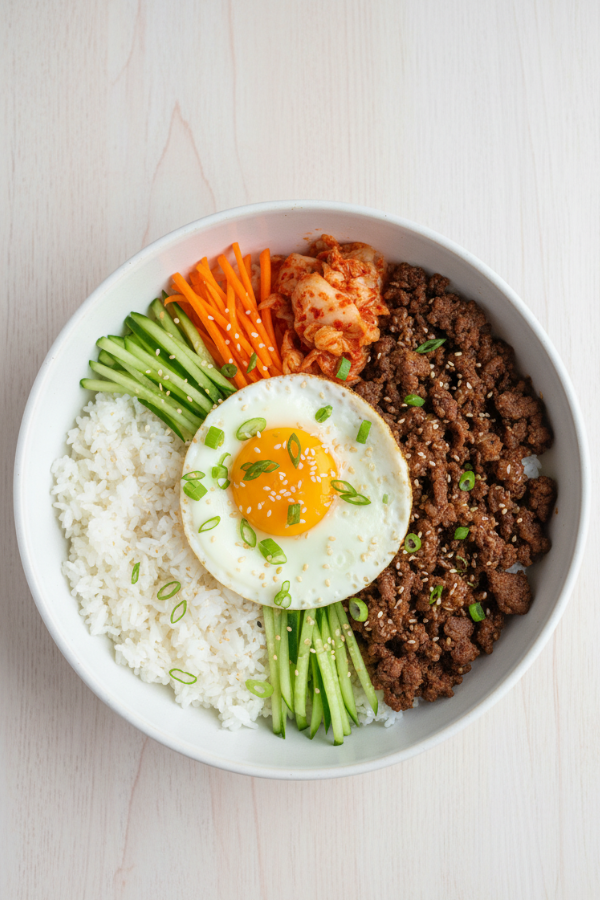
- Build Your Bowls Now for the fun part. Add rice or cauliflower rice to each bowl. Spoon a generous layer of beef on top. One pound of beef usually makes 4 good servings; if you want extra protein, lean toward bigger beef scoops. Arrange cucumbers, carrots, greens, and kimchi around the edges. Add your protein boosters: egg, edamame, cottage cheese, or tofu. Sprinkle with scallions and sesame seeds. Finish with a drizzle of gochujang or chili crisp for anyone who likes heat. Serve right away while the beef is hot and the veggies are still crisp.
