
Creamy Tarragon Chicken
Creamy Tarragon Chicken is the kind of dinner that tastes like you ordered it—yet it’s made in one pan with simple ingredients. You sear chicken until golden, then build a silky cream sauce with shallots, garlic, broth (and a splash of white wine if you want), plus fresh tarragon for that gentle French-bistro vibe. It’s rich, but it doesn’t feel “too much.” And for busy weeknights, the best part is the cleanup: one skillet, one spoon, and dinner feels special anyway.
Why You’ll Love This Recipe
If you’re cooking after a long day, you want something that feels comforting and manageable. This recipe checks both boxes.
- Weeknight fast. The skillet version can be on the table in about 30 minutes, especially if you use chicken cutlets.
- One pan, big payoff. You brown the chicken first, then use the same pan to build the sauce. Those browned bits are flavor.
- Tastes “fancy” without fuss. Tarragon has a light anise-like note—fresh, a little elegant, not overpowering.
- Meal-prep friendly. Leftovers reheat well if you keep the heat low and add a splash of broth.
- Flexible for your life. Chicken breasts, thighs, with wine, without wine, thick sauce, lighter sauce—it’s forgiving.
Here’s a funny truth: this dish can feel both “special occasion” and “random Tuesday.” It depends on what you serve with it, and honestly, your mood.
Ingredients
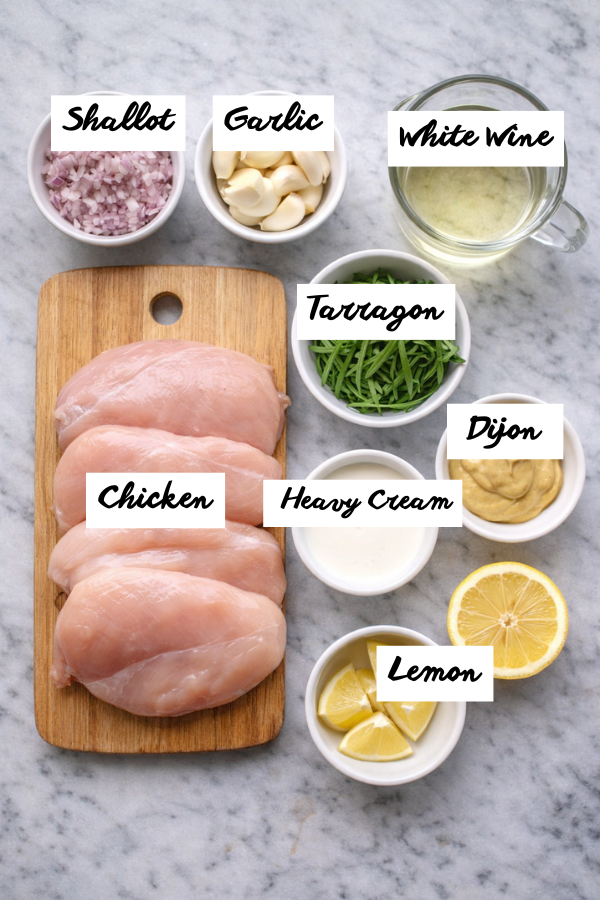
This is a simple list, but each ingredient has a job. If you’ve ever made a cream sauce that tasted flat, it usually needed one of two things: a better flavor base (shallots/garlic) or a bright finish (lemon).
The Chicken
- Boneless, skinless chicken breasts
- Best when sliced into thinner cutlets for faster cooking and better tenderness.
- Boneless chicken thighs
- Slightly richer, often juicier, and harder to overcook.
- Bone-in, skin-on thighs (optional “cozy weekend” version)
- Takes longer, but the texture and flavor can feel extra special.
The Flavor Base
- Shallot (or small yellow onion)
- Garlic
- Fresh tarragon
- This is the signature flavor. If you’re new to tarragon, start modestly and add more at the end if needed.
- Dijon mustard (optional but recommended)
- Adds gentle tang and helps the sauce taste more complete.
- Lemon zest + a small squeeze of lemon juice
- Brightens the sauce so it tastes creamy, not heavy.
The Sauce Liquids
- Chicken broth/stock
- Adds savory depth and gives you enough sauce to spoon over sides.
- Heavy cream
- The most stable choice for a smooth sauce.
- Dry white wine (optional)
- Adds a bistro-like edge. If you don’t want alcohol, skip it and use more broth.
Fat + Seasoning
- Olive oil (for searing)
- Butter (optional, adds richness)
- Salt + black pepper (season in layers)
Thickening Options (choose one)
You don’t have to thicken. Many people like the sauce slightly loose so it pools around the chicken. But if you want it a bit more clingy:
- Cornstarch slurry
- Mix 1 tablespoon cornstarch + 1 tablespoon cold water (adjust as needed).
- Flour
- Sprinkle 1–2 tablespoons into the pan with the aromatics, cook briefly, then add liquids.
- Reduction only
- Simmer gently a few extra minutes until it naturally thickens.
Substitutions And Quick Notes
- No shallot? Use finely chopped onion.
- No tarragon? This becomes a different dish, but parsley + a little basil can still taste good.
- Only dried tarragon? Use less (start with 1 teaspoon, then taste).
- Want it lighter? Keep the sauce as-is, but serve with veg-forward sides.
Step-by-Step Instructions
You’ve got two good paths here:
- The weeknight skillet version (fast, repeatable), and
- The thigh + oven version (cozier, a little slower).
Let’s start with the one you’ll probably make most often.
Weeknight Skillet Version — about 30 minutes
Step 1: Prep The Chicken (3–5 minutes)
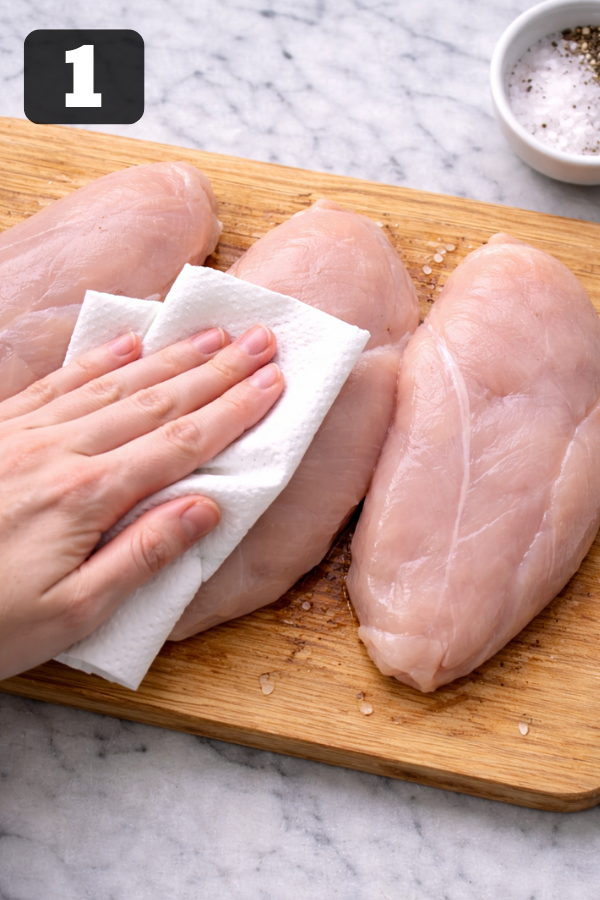
- Pat the chicken dry with paper towels. Dry chicken browns better—simple but true.
- If using breasts, slice into cutlets (or gently pound to even thickness).
- Season both sides with salt and pepper.
Step 2: Sear The Chicken (8–12 minutes total)
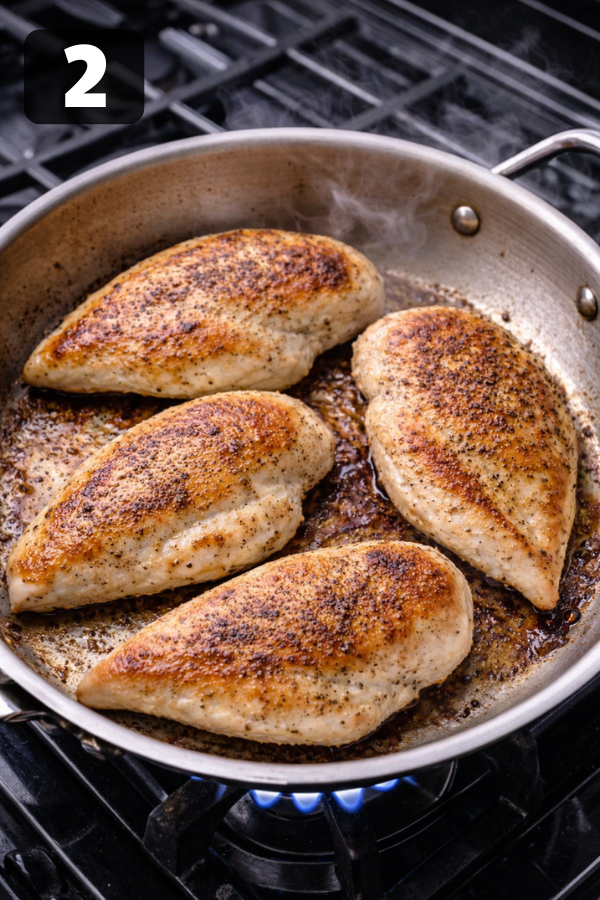
- Heat a large skillet over medium-high heat. Add olive oil (and a little butter if you want).
- Add chicken in a single layer. Don’t crowd the pan—work in batches if needed.
- Cook about 4–5 minutes per side for cutlets, until golden.
- Transfer to a plate. The chicken may not be fully cooked yet—that’s fine.
Target doneness: chicken should reach 165°F at the thickest part by the end.
Step 3: Sauté Aromatics (3–5 minutes)
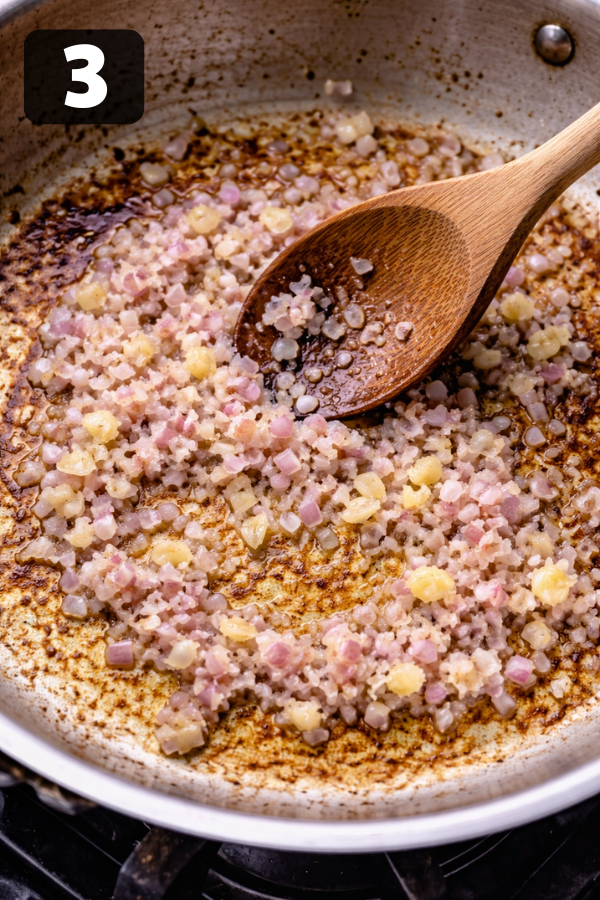
- Reduce heat to medium.
- Add shallots and cook until softened, about 2–3 minutes.
- Add garlic and stir for 30 seconds—just until fragrant.
Step 4: Deglaze And Build The Sauce (5–7 minutes)
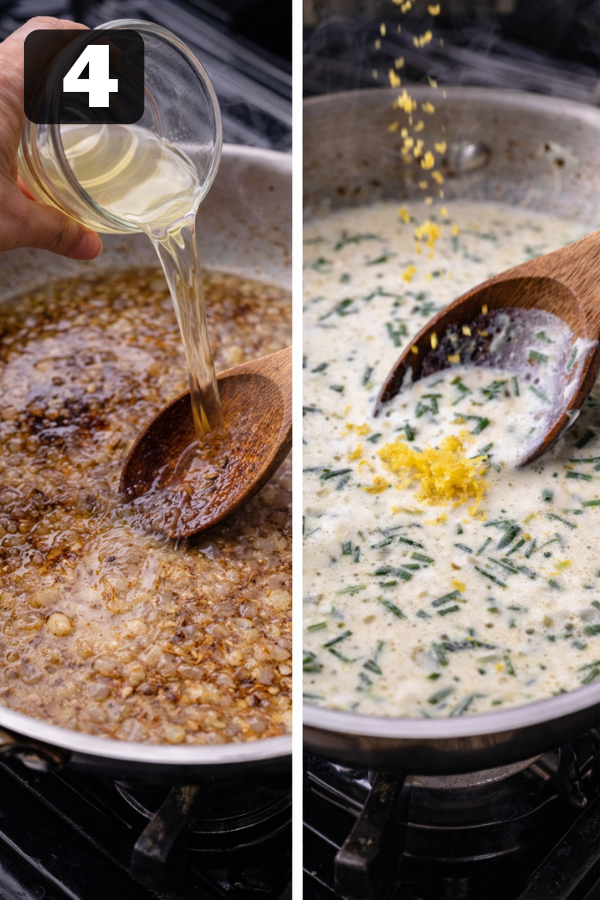
- If using wine, pour it into the pan and scrape up browned bits. Let it simmer for 2–3 minutes to mellow.
- Add chicken broth and bring to a gentle simmer.
- Stir in Dijon mustard (if using).
- Pour in the heavy cream and stir until smooth.
- Add chopped tarragon and lemon zest.
Keep the sauce at a gentle simmer. If it’s boiling hard, the sauce can act fussy.
Step 5: Finish The Chicken In The Sauce (3–8 minutes)
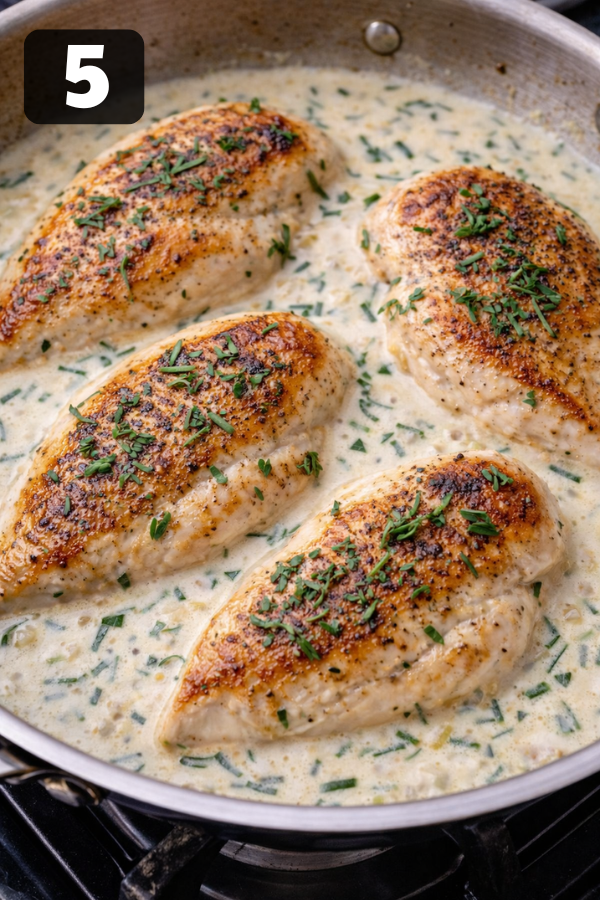
- Return chicken (and any juices on the plate) to the skillet.
- Simmer gently until chicken reaches 165°F.
- Taste the sauce and adjust: salt, pepper, and more tarragon if you want.
- Finish with a small squeeze of lemon juice.
That’s it. And yes—this is one of those meals where you’ll “just taste” the sauce three times.
Optional “Weekend Cozy” Version (Thighs + Oven)
If you want deeper flavor and a more relaxed pace:
- Use bone-in, skin-on thighs. Pat them very dry and season well.
- Sear skin-side down until deeply golden (this can take 8–10 minutes if you want real crisp).
- Remove thighs, sauté shallots/garlic, then thicken with flour if desired.
- Add broth + cream (and wine if using), Dijon, tarragon, lemon zest.
- Return thighs, cover, and bake at 350°F until they reach 165°F.
It’s slower, but it has that “Sunday dinner” feel, even if it’s Saturday.
Tips for Success
These are the small things that make the difference between “good” and “wow, I should make this again.”
Keep Chicken Juicy
- Cutlets cook fast and evenly. Thick chicken breasts dry out more easily.
- Use a thermometer if you can. It saves you from guessing.
- Let chicken rest 3–5 minutes before slicing so juices stay put.
Get Better Browning
- Pat chicken dry. (Yes, again.)
- Don’t crowd the skillet.
- Leave the chicken alone while it sears. Constant flipping slows browning.
Keep The Sauce Smooth
- Once cream is added, keep heat moderate-to-low.
- If sauce thickens too much, loosen with broth.
- If sauce is thin, simmer a bit longer or use a small cornstarch slurry.
Balance The Tarragon
Tarragon can be subtle or bold depending on how much you use. If it tastes too “licorice-y,” don’t panic—add a little more cream and broth, then brighten with lemon.
What to Serve With It
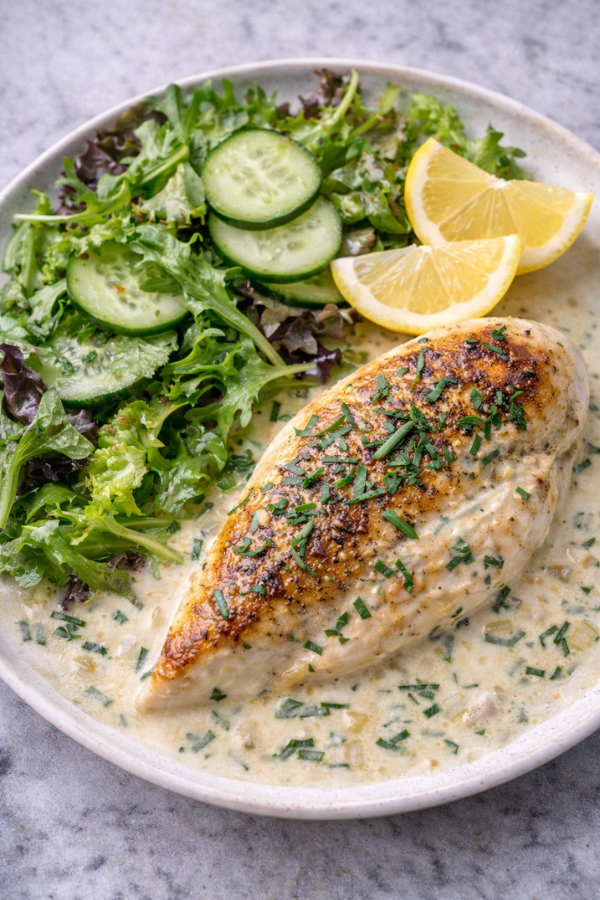
This sauce wants a partner. Something to soak it up.
Cozy Sides (sauce-catching favorites)
- Mashed potatoes
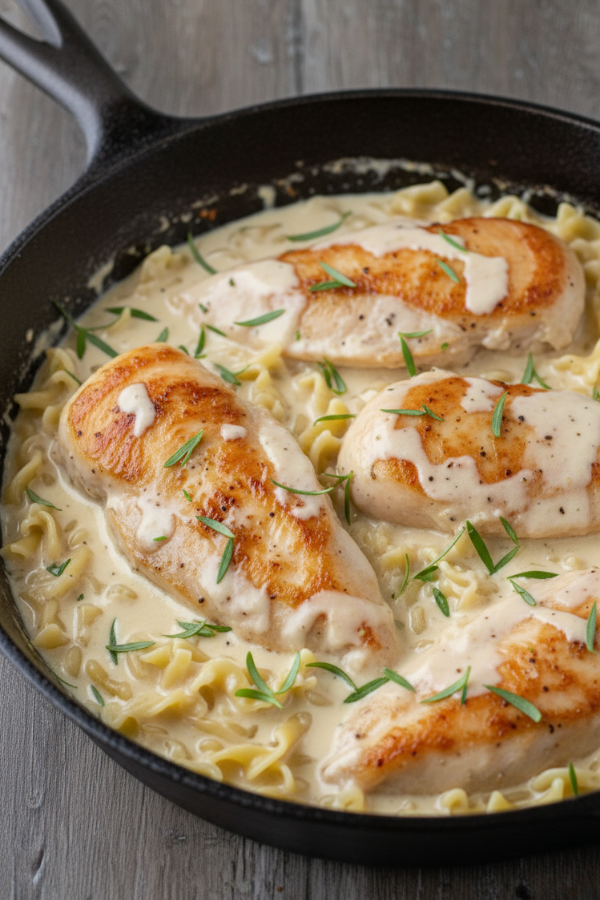
- Egg noodles or pasta
- Rice
- Crusty bread
Lighter Sides (still satisfying)
- Green beans, asparagus, or broccoli
- A crisp salad with lemony dressing
- Roasted carrots or cauliflower
If you’re trying to keep dinner lighter, make the side lighter. The sauce can stay creamy. That’s a fair compromise.
FAQs
1. Can I make Creamy Tarragon Chicken ahead of time?
Yes. It keeps well for 3–4 days. Reheat on low heat and add a splash of broth to keep the sauce smooth.
2. Can I substitute another protein?
Yes. Chicken thighs are a great swap. They’re usually more forgiving and stay juicy.
3. What if I don’t have white wine?
No problem—use broth instead. The flavor is slightly different, but still delicious.
4. Is this dish spicy?
Not really. It’s creamy and herb-forward. If you want heat, add a pinch of red pepper flakes.
5. Can I use dried tarragon?
Yes. Start small (about 1 teaspoon), taste, then adjust.
6. Can I freeze it?
It’s not ideal because cream sauces can change texture after thawing. If you want to try, freeze a small portion first and see if you like the result.
Nutrition Info
Nutrition varies a lot based on: chicken cut, how much cream you use, and what you serve it with.
- Higher-protein dinner (chicken does the heavy lifting)
- Carbs mostly depend on sides (pasta vs salad makes a big difference)
- If you want a lighter plate, choose a veggie-forward side and keep portions of sauce moderate.
If you track macros, it’s worth calculating based on your exact ingredients—cream brands and portions can vary more than people think.
Conclusion
If you’re craving a dinner that feels a little special but still fits into a busy weeknight, Creamy Tarragon Chicken is a solid go-to. It’s one skillet, a short ingredient list, and a sauce that makes everything on the plate taste better—no extra effort required. Once you’ve made it once, you’ll start riffing naturally: thighs instead of breasts, extra lemon when you want it brighter, noodles when you need comfort, a crisp salad when you want it lighter. And that’s the real win—this recipe doesn’t just feed you tonight; it gives you an easy, reliable pattern you can come back to whenever you need a cozy meal with minimal cleanup.
| Prep Time | 10 minutes |
| Cook Time | 20 minutes |
| Servings |
servings
|
- 1.5 lb –2chicken breasts or thighs cutlets
- Salt and black pepper
- 1 tbsp –2olive oil
- 1 tbsp Butter optional
- 1 shallot finely chopped
- 2 –3 garlic cloves minced
- 1/3 cup –1/2dry white wine or extra broth optional
- 3/4 cup chicken broth plus more to loosen
- 3/4 cup –1heavy cream
- 1 tsp –2Dijon mustard optional
- 1 tbsp –2fresh tarragon chopped (plus more to finish)
- 1 tsp lemon zest + 1–2lemon juice
- tbsp Optional thickener: 1cornstarch + 1cold water
Ingredients
|
|
- Prep The Chicken (3–5 minutes) Pat the chicken dry with paper towels. Dry chicken browns better—simple but true. If using breasts, slice into cutlets (or gently pound to even thickness). Season both sides with salt and pepper.

- Sear The Chicken (8–12 minutes total) Heat a large skillet over medium-high heat. Add olive oil (and a little butter if you want). Add chicken in a single layer. Don’t crowd the pan—work in batches if needed. Cook about 4–5 minutes per side for cutlets, until golden. Transfer to a plate. The chicken may not be fully cooked yet—that’s fine. Target doneness: chicken should reach 165°F at the thickest part by the end.
- Sauté Aromatics (3–5 minutes) Reduce heat to medium. Add shallots and cook until softened, about 2–3 minutes. Add garlic and stir for 30 seconds—just until fragrant.
- Deglaze And Build The Sauce (5–7 minutes) If using wine, pour it into the pan and scrape up browned bits. Let it simmer for 2–3 minutes to mellow. Add chicken broth and bring to a gentle simmer. Stir in Dijon mustard (if using). Pour in the heavy cream and stir until smooth. Add chopped tarragon and lemon zest. Keep the sauce at a gentle simmer. If it’s boiling hard, the sauce can act fussy.
- Finish The Chicken In The Sauce (3–8 minutes) Return chicken (and any juices on the plate) to the skillet. Simmer gently until chicken reaches 165°F. Taste the sauce and adjust: salt, pepper, and more tarragon if you want. Finish with a small squeeze of lemon juice. That’s it. And yes—this is one of those meals where you’ll “just taste” the sauce three times.
