
Creamy Butternut Squash Pasta is the perfect dinner for busy evenings when you want something comforting, flavorful, and easy to prepare. Roasted butternut squash transforms into a silky, naturally creamy sauce when blended with garlic, herbs, Parmesan, and a little pasta water. As a result, you get a cozy pasta dish with rich flavor without relying on a heavy cream sauce.
This easy pasta recipe takes about 40 minutes from start to finish and uses simple ingredients available at almost any grocery store. Whether you are planning a quick family dinner, a cozy fall meal, or a make-ahead recipe for a busy week, this creamy squash pasta is a delicious choice.
Why You’ll Love This Creamy Butternut Squash Pasta
There are many reasons why this recipe deserves a spot in your regular dinner rotation.
- Creamy without feeling heavy: Roasted butternut squash creates a rich and smooth texture while keeping the sauce naturally lighter than traditional cream-based sauces.
- Simple everyday ingredients: You only need a handful of pantry-friendly ingredients to create a flavorful homemade pasta sauce.
- Perfect for busy weeknights: The squash roasts while the pasta cooks, allowing both parts of the recipe to come together efficiently.
- Minimal cleanup: A baking sheet, cooking pot, and blender or immersion blender are enough to prepare this meal.
- Vegetable-forward comfort food: Butternut squash becomes the star ingredient instead of just a side dish.
- Easy to customize: Add chicken, shrimp, spinach, chickpeas, crispy tofu, or pancetta for extra flavor and protein.
- Great for meal prep: The sauce can be prepared ahead and stored for quick meals later.
- Family-friendly flavor: The smooth texture and naturally sweet squash flavor make it appealing even for picky eaters.
Additionally, this recipe is easy to adapt for different dietary needs. Use gluten-free pasta for a gluten-free version, plant-based milk and dairy-free cheese for a dairy-free option, or vegetable broth with vegan Parmesan for a completely vegan meal.
Ingredients You’ll Need
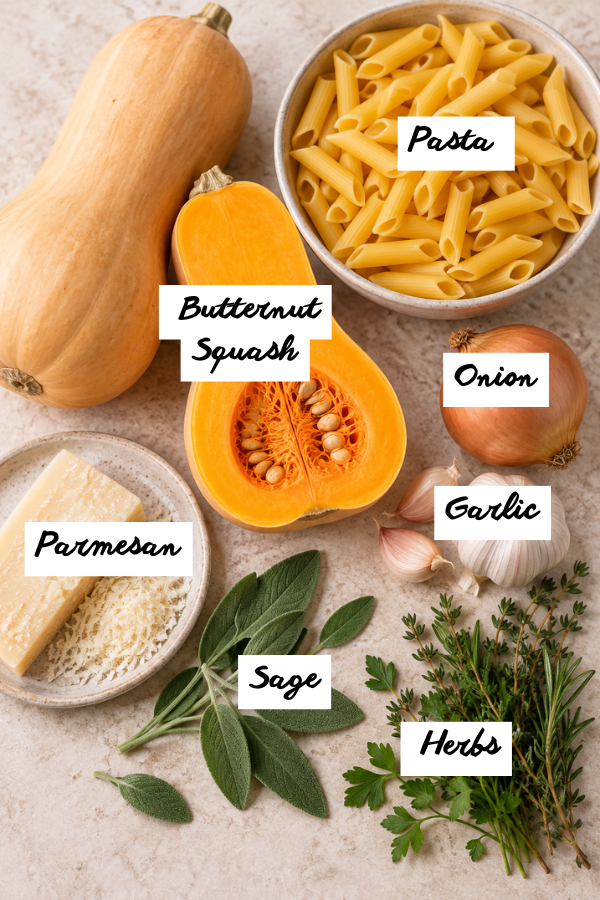
This recipe does not require a long ingredient list. Instead, the main flavor comes from roasting the squash until golden and combining it with a few simple ingredients to create a smooth homemade sauce.
For the Butternut Squash Sauce
- 1 medium butternut squash, peeled, seeded, and cut into 1–2-inch cubes
- 1 small yellow onion or 2 shallots, roughly chopped
- 4 garlic cloves
- 2 tablespoons olive oil
- 1½ cups low-sodium vegetable broth
- ½ cup milk
- ½ cup freshly grated Parmesan
- ½ teaspoon salt, plus more to taste
- ½ teaspoon freshly ground black pepper
- ½ teaspoon dried sage or several fresh sage leaves
- ¼ teaspoon dried thyme
- A small pinch of nutmeg
- 1–2 teaspoons fresh lemon juice, optional
For the Pasta
- 12 ounces pasta
- Spaghetti, linguine, rotini, penne, or rigatoni all work well.
- ½–1 cup reserved pasta water
Long pasta creates a classic creamy pasta experience. Meanwhile, short pasta shapes like rotini and rigatoni are excellent because their ridges and curves hold onto the thick squash sauce.
For Serving
- Freshly grated Parmesan
- Fresh sage or thyme
- Freshly cracked black pepper
- Optional red pepper flakes
- Optional toasted walnuts
- Optional toasted breadcrumbs
- Optional drizzle of olive oil
Step-by-Step Instructions
Step 1. Roast the Butternut Squash and Aromatics
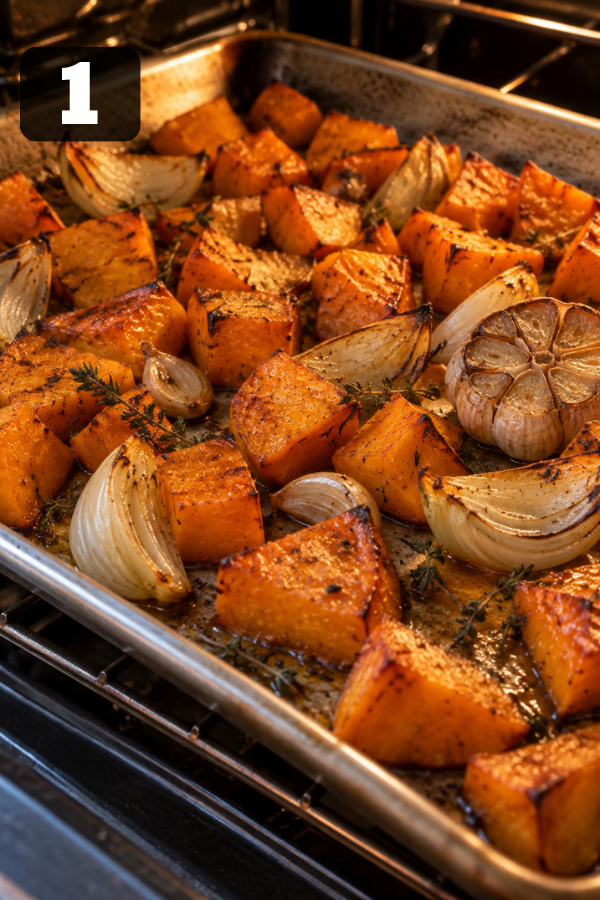
First, preheat the oven to 425°F. Line a large baking sheet with parchment paper if desired.
Spread the cubed butternut squash, onion, and garlic across the baking sheet. Drizzle everything with olive oil, then season with salt, black pepper, sage, and thyme.
Roast for 25–30 minutes, stirring once halfway through, until the squash becomes fork-tender with golden edges.
For the best flavor, avoid overcrowding the baking sheet. When the squash has enough space, hot air can circulate properly and create those caramelized edges instead of causing the vegetables to steam.
The golden edges are important because they add a deeper roasted flavor to the final sauce.
Step 2. Cook the Pasta
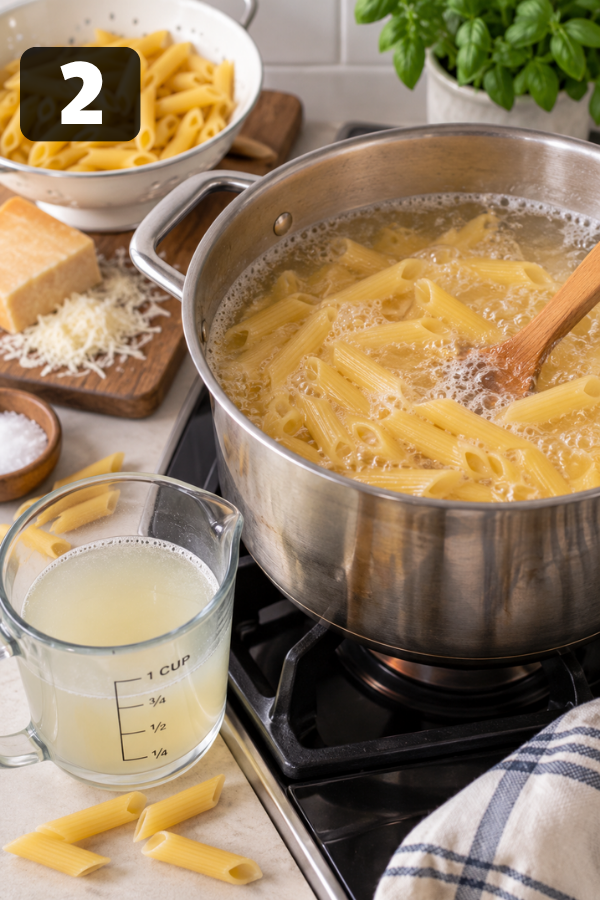
Meanwhile, while the squash is roasting, bring a large pot of generously salted water to a boil.
Cook the pasta according to the package instructions until al dente.
Before draining, reserve at least ½–1 cup of pasta water.
This small step makes a big difference. Pasta water contains starch, which helps loosen the squash sauce while also allowing it to cling smoothly to the noodles.
In addition, it is easier to thin a thick sauce gradually with pasta water than to fix a sauce that becomes too watery.
Step 3. Blend the Squash Into a Creamy Sauce
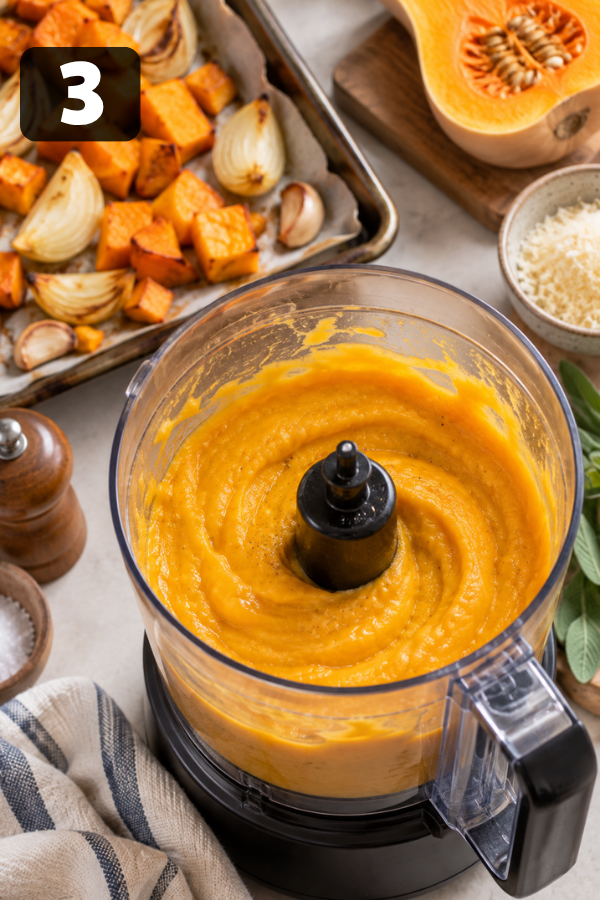
Once the squash is tender, transfer the roasted vegetables to a blender or a large saucepan.
Add the vegetable broth and milk, then blend until the mixture becomes completely smooth and creamy.
If you prefer easier cleanup, an immersion blender is a convenient option because you can blend the sauce directly in the saucepan.
Next, add the Parmesan, nutmeg, remaining seasoning, and extra black pepper.
Taste the sauce before combining it with the pasta. It should be creamy, savory, slightly sweet, and balanced.
If the squash flavor feels too sweet, a small squeeze of lemon juice can brighten the sauce and create better balance.
Step 4. Toss the Pasta With the Sauce
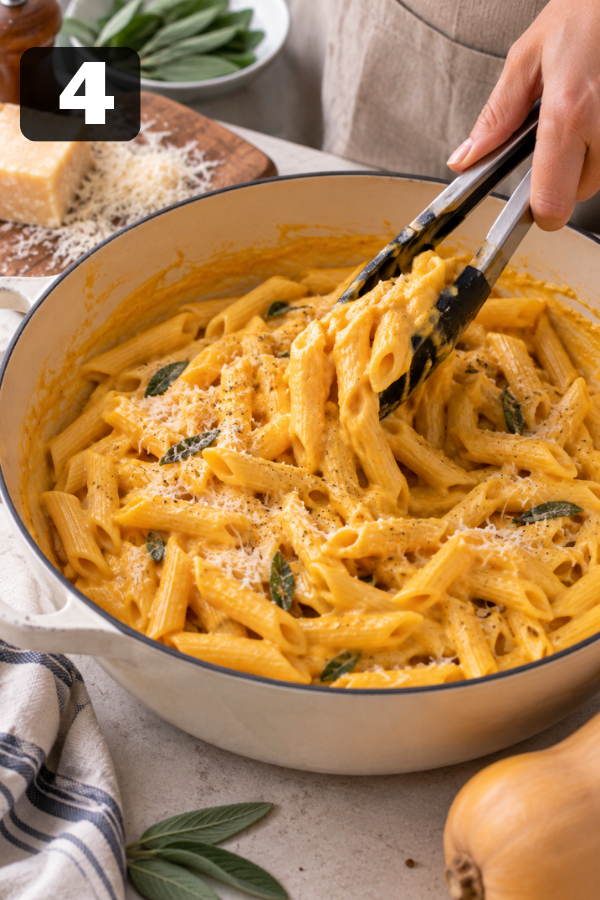
Add the cooked pasta to a large skillet or return it to the cooking pot.
Pour the squash sauce over the pasta and gently toss everything together over low heat.
Gradually add reserved pasta water, about 1–2 tablespoons at a time, while mixing.
Continue until the sauce becomes smooth, glossy, and evenly coats every piece of pasta.
Keep in mind that the sauce may look slightly thinner at first. However, the pasta will continue absorbing the sauce as it rests, so a slightly loose texture helps prevent dry pasta later.
Step 5. Finish With Parmesan and Crispy Toppings
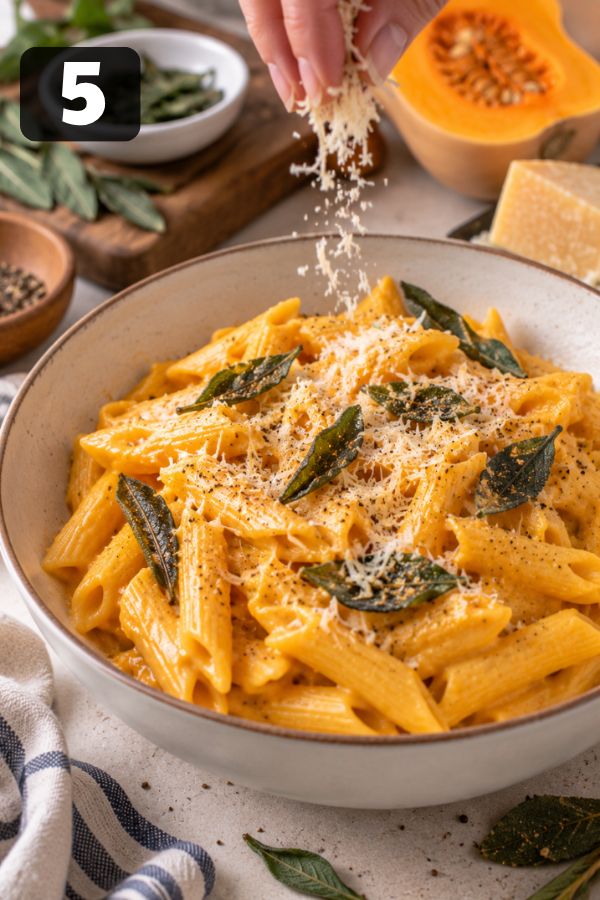
Finally, divide the pasta into serving bowls.
Top with freshly grated Parmesan, black pepper, and fresh sage or thyme.
For additional texture, add toasted walnuts, crispy breadcrumbs, or fried sage leaves.
Because the squash sauce is smooth and creamy, a crunchy topping creates a satisfying contrast in every bite.
For extra heat, finish with a small pinch of red pepper flakes.
Tips for the Best Creamy Butternut Squash Pasta
A few simple techniques can make this recipe even better. By focusing on roasting, seasoning, and sauce consistency, you can create a restaurant-quality pasta dish at home.
Roast the Squash Until Golden
- Roast the squash until it becomes tender with golden, lightly caramelized edges.
- Avoid overcrowding the baking sheet because extra space allows the squash to roast instead of steam.
- The browned edges add deeper flavor and natural sweetness to the sauce.
For this reason, roasting is one of the most important steps in building the flavor of this creamy pasta recipe.
Save Plenty of Pasta Water
- Reserve at least ½ cup of pasta water, although closer to 1 cup is even better.
- Add the water gradually to loosen the sauce and create a smooth, silky texture.
- The starch in pasta water helps the sauce stick to the noodles.
Additionally, adding pasta water slowly gives you better control over the final consistency.
Blend the Sauce Until Completely Smooth
- Blend the roasted squash thoroughly until the sauce becomes silky and creamy.
- If the sauce feels too thick or slightly grainy, add warm broth or pasta water little by little.
- An immersion blender works well and also reduces cleanup.
A smooth sauce texture is what makes this roasted butternut squash pasta feel rich and comforting.
Avoid Boiling the Sauce
- Keep the heat low after adding Parmesan or dairy.
- Avoid boiling because high heat can cause the cheese to separate or make the sauce grainy.
Instead, warm the sauce gently while stirring until everything is combined.
Balance the Natural Sweetness
Butternut squash naturally has a sweet flavor, so balancing the sauce is important.
If needed, adjust the taste with:
- Salt
- Parmesan
- Black pepper
- Lemon juice
- Red pepper flakes
A small amount of acidity from lemon juice can make the flavors taste brighter and more balanced.
Easy Variations for Busy Cooks
One of the best things about this Creamy Butternut Squash Pasta is how flexible it can be. With a few simple swaps, you can easily adjust the recipe based on your preferences or ingredients you already have.
Make It Dairy-Free
To create a dairy-free version, replace the regular ingredients with:
Milk alternatives:
- Unsweetened oat milk
- Unsweetened almond milk
- Cashew cream
- Coconut cream
Parmesan alternatives:
- Nutritional yeast
- Dairy-free Parmesan
- Vegan cheese
Remember to avoid sweetened plant milk because the squash already provides natural sweetness.
Make It Vegan
For a completely plant-based Creamy Butternut Squash Pasta, use:
- Vegetable broth
- Olive oil instead of butter
- Unsweetened plant milk
- Nutritional yeast or vegan Parmesan
- Egg-free pasta
Fortunately, roasted squash provides plenty of body and creaminess, so you do not need a large amount of dairy replacement.
Add Chicken
For a more filling dinner, add cooked chicken breast or chicken thigh.
Season the chicken with:
- Salt
- Black pepper
- Garlic
- Italian herbs
Cook it separately, slice it, and add it to the pasta just before serving.
As a result, you get a protein-packed version that works well for family dinners or meal prep.
Add Shrimp
Shrimp is another excellent addition because it cooks quickly.
Season the shrimp and sauté it in olive oil for about 2–3 minutes per side, depending on size.
Add the cooked shrimp to the finished pasta rather than cooking it in the sauce for too long.
This keeps the shrimp tender while allowing the squash sauce to remain smooth and creamy.
Add Greens
For extra nutrients and color, stir a few handfuls of fresh spinach into the warm sauce before adding the pasta.
You can also serve this pasta with:
- Roasted broccoli
- Brussels sprouts
- Cauliflower
- Kale
- Green beans
These vegetables add freshness and create a more balanced meal.
Add Crispy Pancetta
For a salty contrast to the sweet squash sauce, cook diced pancetta until crispy.
Drain excess fat, then sprinkle the pancetta over the finished pasta.
The combination of creamy, sweet, salty, and crunchy flavors creates a delicious contrast in every bite.
What to Serve With Creamy Butternut Squash Pasta
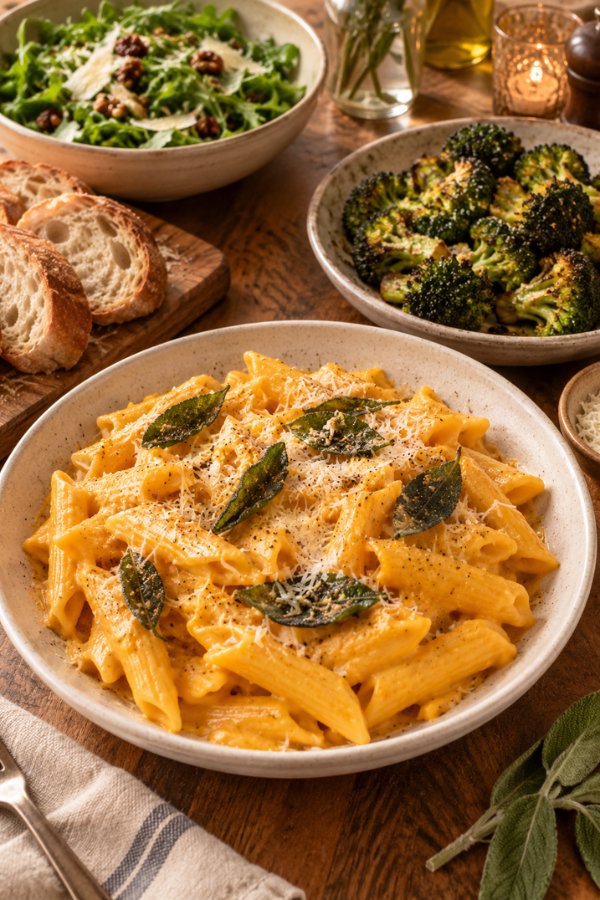
This pasta is satisfying enough to enjoy by itself. However, adding a fresh or crispy side dish can make the meal feel even more complete.
Vegetable Sides
Great options include:
- Roasted broccoli
- Green beans
- Brussels sprouts
- Roasted cauliflower
- Sautéed kale
Especially, roasted vegetables pair beautifully with this recipe because their caramelized edges complement the roasted squash flavor.
Fresh Salads
A crisp salad creates a refreshing contrast to the creamy pasta sauce.
Try:
- Simple arugula salad with lemon
- Pear and greens salad
- Caesar salad
- Shaved Brussels sprout salad
- Apple and spinach salad
In particular, fresh ingredients with a little acidity help balance the richness of the sauce.
Bread
Serve this pasta with:
- Crusty Italian bread
- Garlic bread
- Warm focaccia
- Sourdough
Of course, a slice of bread is perfect for soaking up every bit of the creamy squash sauce.
Storage & Reheating
How to Store Leftovers
Allow the pasta to cool slightly, then transfer it to an airtight container.
Store it in the refrigerator for 3–4 days.
For the best texture, consider storing the squash sauce separately from the pasta if you are preparing this meal ahead of time.
How to Reheat
The microwave is the quickest reheating method.
Heat the pasta in 30-second intervals, stirring between each round.
If the sauce becomes too thick, add a small splash of:
- Milk
- Vegetable broth
- Water
- Reserved pasta water
For stovetop reheating, place the pasta in a skillet over low heat and stir gently until warmed through.
Avoid high heat because creamy sauces reheat better slowly and gently.
Can You Freeze It?
The sauce freezes better than the finished pasta.
For the best results:
- Cool the sauce completely.
- Transfer it to a freezer-safe container.
- Freeze for up to 3 months.
- Thaw overnight in the refrigerator.
- Reheat gently.
- Add freshly cooked pasta.
Because cooked pasta can become softer after freezing and thawing, freezing the sauce separately is the better option.
Common Problems and Easy Fixes
The Sauce Is Too Thick
Fix it by:
- Adding warm pasta water 1 tablespoon at a time.
- Mixing thoroughly before adding more liquid.
Gradual adjustments help maintain the creamy texture without making the sauce watery.
The Sauce Is Too Thin
Try:
- Simmering gently for a few minutes.
- Adding extra Parmesan.
- Adding more blended roasted squash.
Avoid high heat because it can affect the texture of the sauce.
The Sauce Tastes Bland
Improve the flavor with:
- Salt
- Parmesan
- Black pepper
- Sage
- Lemon juice
- Red pepper flakes
Always taste after each adjustment so you can build the flavor gradually.
The Sauce Is Too Sweet
Balance it with:
- Salt
- Parmesan
- Lemon juice
- Black pepper
- A small amount of miso
Savory ingredients help balance the natural sweetness of roasted butternut squash.
The Sauce Is Grainy
Try:
- Blending the squash longer.
- Adding warm broth or pasta water.
- Keeping the heat low after adding cheese.
A smoother blend and gentle heating process create the best creamy consistency.
The Squash Isn’t Browning
Make sure to:
- Spread squash in a single layer.
- Leave space between pieces.
- Avoid overcrowding the pan.
Proper roasting creates the deep flavor that makes this pasta special.
The Pasta Is Mushy
Cook the pasta until al dente.
Remember that the noodles continue cooking slightly when combined with the warm sauce.
Meal-Prep Tips
This recipe works especially well for busy weeks.
Make the Sauce Ahead
Prepare the roasted squash sauce up to 2–3 days ahead.
Store it in an airtight container in the refrigerator.
When you’re ready to eat:
- Cook fresh pasta
- Warm the sauce
- Loosen it with pasta water
- Combine and serve
Prepare a Double Batch
If you have the oven on anyway, roast extra squash.
Use the extra roasted squash for:
- Soup
- Grain bowls
- Salads
- Breakfast hash
- Another batch of pasta
It’s one of those small cooking shortcuts that saves time later.
Pack for Lunch
Divide the finished pasta into individual containers.
Keep toppings such as Parmesan, sage, walnuts, or breadcrumbs separate when possible.
Add them after reheating so they stay fresh and crunchy.
FAQs
1. Can I make Creamy Butternut Squash Pasta without heavy cream?
Yes. Roasted butternut squash, vegetable broth, milk, and pasta water create a creamy sauce without heavy cream.
2. What pasta is best for butternut squash sauce?
Spaghetti, linguine, fettuccine, rotini, penne, and rigatoni all work well. Short, ridged shapes hold the sauce especially well.
3. Can I make this recipe dairy-free?
Yes. Use unsweetened plant milk and replace Parmesan with nutritional yeast or dairy-free Parmesan. Cashew cream also works well.
4. Can I make this recipe gluten-free?
Yes. Use your favorite gluten-free pasta and check that your broth and other packaged ingredients are gluten-free.
5. Can I make the sauce ahead?
Yes. Refrigerate the sauce in an airtight container for up to 2–3 days. Reheat gently and loosen with a splash of broth or pasta water.
6. Can I freeze the butternut squash sauce?
Yes. Freeze the cooled sauce in a freezer-safe container for up to 3 months. Thaw overnight in the refrigerator before reheating.
Nutrition Info
- Calories: ~450–550 per serving
- Protein: ~15–18g
- Carbs: ~65–75g
- Fat: ~15–20g
- Fiber: ~6–8g
Nutrition values are estimates and may vary based on the pasta, milk, Parmesan, and serving size.
Final Thoughts
Creamy Butternut Squash Pasta is an easy, cozy dinner that brings together roasted squash, simple ingredients, and a silky sauce. It’s perfect for busy weeknights and easy to customize with chicken, shrimp, greens, or dairy-free swaps.
Don’t Miss: Easy Vegan Pumpkin Pasta Recipe
Don’t Miss: Creamy Sun-Dried Tomato Pasta
Also Try: Easy Creamy Spinach and Mushroom Lasagna Recipe
Ingredients
Method
- Roast the Butternut Squash and AromaticsRoast squash, onion, and garlic at 425°F for 25–30 minutes with olive oil, salt, pepper, sage, and thyme. Roast in a single layer until tender and golden.

- Cook the PastaCook pasta in salted water until al dente. Reserve ½–1 cup pasta water before draining.
- Blend the Squash SauceBlend roasted squash, onion, and garlic with broth and milk until smooth. Stir in Parmesan, nutmeg, and seasonings. Add a little lemon juice if needed to balance the sweetness.
- Toss With PastaCombine pasta and squash sauce over low heat. Add reserved pasta water 1–2 tablespoons at a time until smooth, glossy, and creamy.
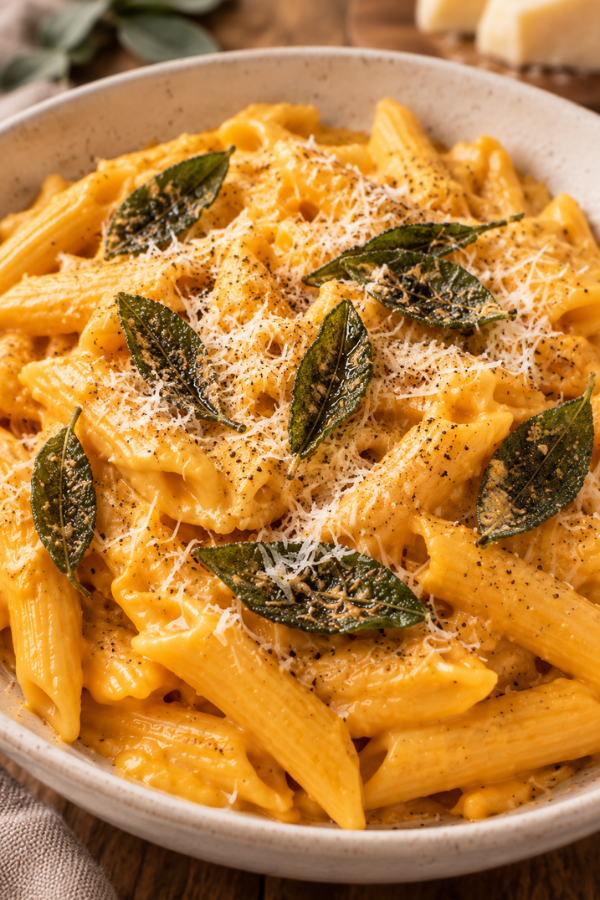
- Finish and ServeTop with Parmesan, black pepper, and fresh herbs. Add crispy sage, toasted walnuts, breadcrumbs, or red pepper flakes for extra flavor and texture.
