
Some pasta dishes feel heavy. Others taste good at first but leave you reaching for extra seasoning halfway through dinner. Chimichurri Shrimp Pasta lands right in that sweet spot between fresh and comforting.
This recipe combines tender shrimp, perfectly cooked pasta, and a bright chimichurri sauce loaded with parsley, garlic, olive oil, and a touch of acidity. As a result, every bite tastes bold, herby, and satisfying without feeling too rich.
Even better, this dish feels special enough for guests yet simple enough for a busy Tuesday night. If you’re looking for a quick dinner with minimal cleanup, big flavor, and ingredients you can actually find at the grocery store, this recipe deserves a spot in your weekly rotation.
Why You’ll Love This Recipe
Busy weeknights demand recipes that work with you, not against you. Fortunately, this Chimichurri Shrimp Pasta keeps things simple while still delivering restaurant-style flavor.
Here’s why it works so well:
- Ready in about 30 minutes
- Uses simple ingredients
- Packed with fresh flavor
- Naturally dairy-free
- Easy to meal prep
- Family-friendly
- Great for lunch leftovers
Plus, the chimichurri can be made ahead of time, which means dinner comes together even faster when life gets hectic. Another bonus is that the recipe feels a little fancy without requiring any complicated techniques.
Ingredients You’ll Need
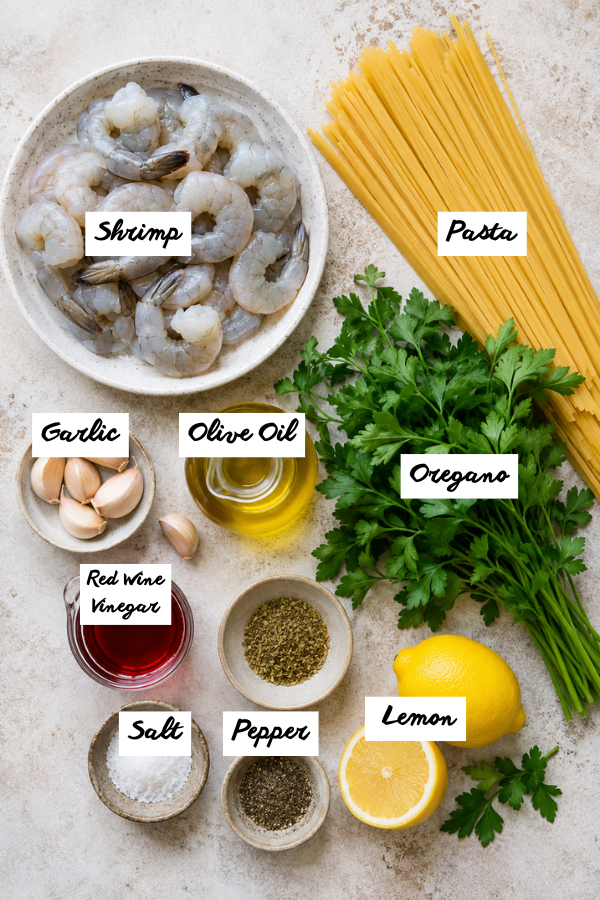
One reason this recipe has become so popular is that the ingredient list stays refreshingly simple. Most of these items are easy to find, and you may already have several of them in your kitchen.
For the Shrimp
- 1 pound large shrimp, peeled and deveined
- 1 tablespoon olive oil
- 1 teaspoon kosher salt
- ½ teaspoon black pepper
For the Chimichurri
- 1 cup fresh parsley, packed
- 4 garlic cloves
- ⅓ cup olive oil
- 2 tablespoons red wine vinegar
- 1 teaspoon dried oregano
- ½ teaspoon red pepper flakes
- Salt to taste
- Black pepper to taste
For the Pasta
- 12 ounces linguine, fettuccine, or spaghetti
- Reserved pasta water
Optional Additions
- Fresh lemon juice
- Cherry tomatoes
- Avocado slices
- Parmesan cheese
- Extra parsley
- Crushed red pepper
The beauty of this recipe is how flexible it is. In fact, you can clean out the vegetable drawer and still end up with something delicious.
Choosing the Best Pasta
Technically, almost any pasta works. However, some shapes hold the chimichurri sauce better than others.
Long noodles such as linguine and fettuccine allow the sauce to coat every strand beautifully. As a result, the herbs cling to the pasta and create flavor in every bite.
Short pasta shapes like penne or rotini work well too, especially if you’re meal prepping. In addition, they are easy to portion, pack, and reheat for lunch the next day.
For picky eaters, use whatever pasta is already in your pantry. After all, this sauce is very forgiving.
Step-by-Step Instructions
Step 1: Prepare the Chimichurri
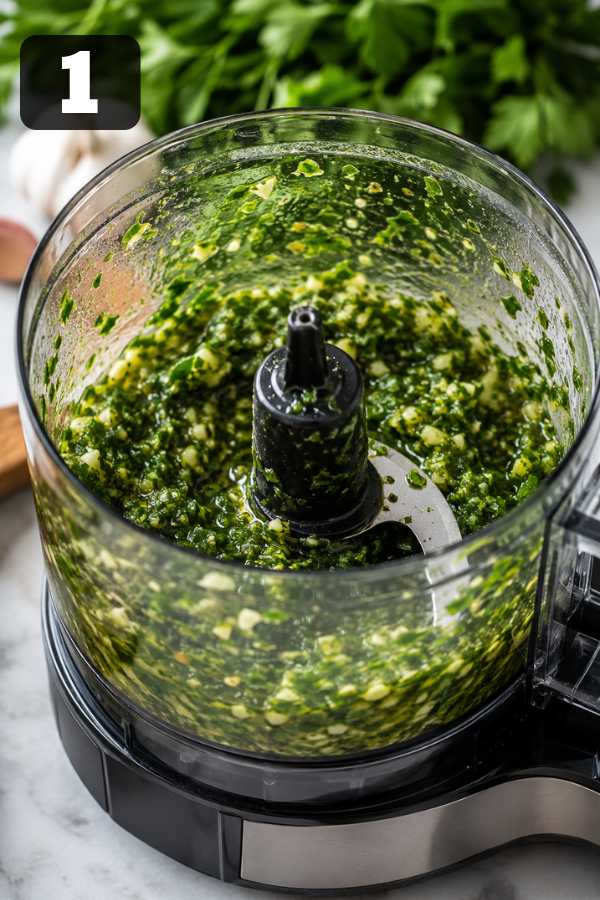
Add parsley, garlic, oregano, red pepper flakes, olive oil, and red wine vinegar to a food processor.
Next, pulse several times until everything is finely chopped. Do not blend the sauce completely smooth, because chimichurri should still have a rustic texture.
Tiny pieces of parsley and garlic create that signature homemade appearance. After that, taste the sauce and adjust the seasoning with salt and black pepper as needed.
Set the chimichurri aside while the flavors mingle. For even better flavor, let it rest for 15 to 30 minutes before tossing it with the pasta.
Step 2: Cook the Pasta
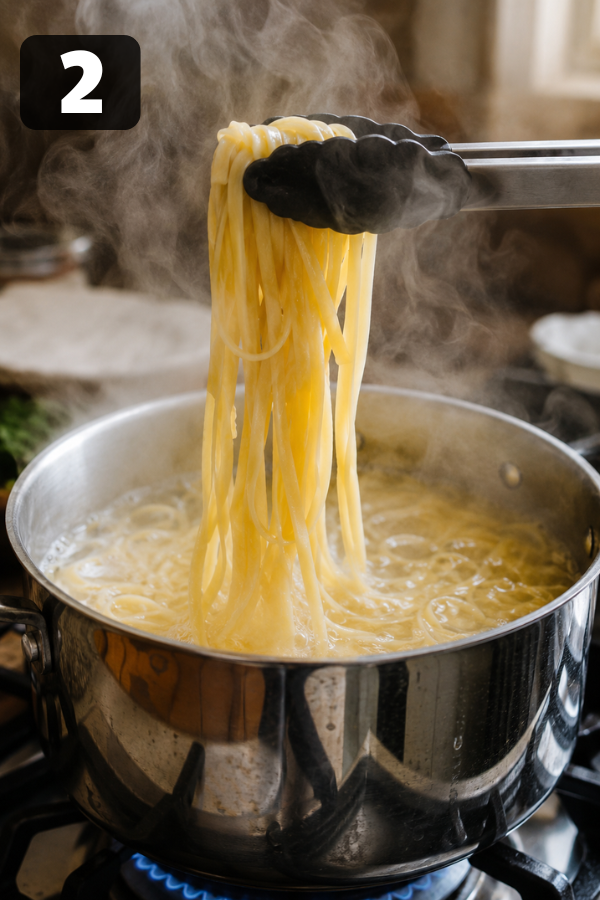
Bring a large pot of salted water to a boil.
Then, cook the pasta according to the package instructions until al dente. Before draining, reserve about one cup of pasta water.
This step matters more than it may seem. The starchy pasta water helps loosen the sauce and allows it to cling to the noodles more evenly.
Finally, drain the pasta and set it aside.
Step 3: Season the Shrimp
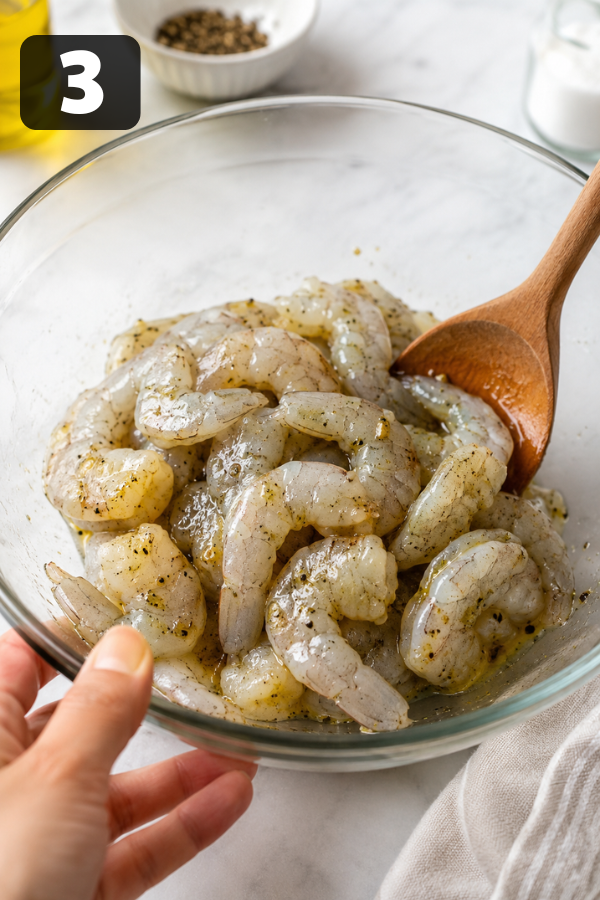
Pat the shrimp dry using paper towels.
Although this step is small, it makes a surprisingly big difference. Wet shrimp tend to steam rather than sear, which can make them less flavorful.
Once dry, toss the shrimp with olive oil, salt, and black pepper until evenly coated.
Step 4: Cook the Shrimp
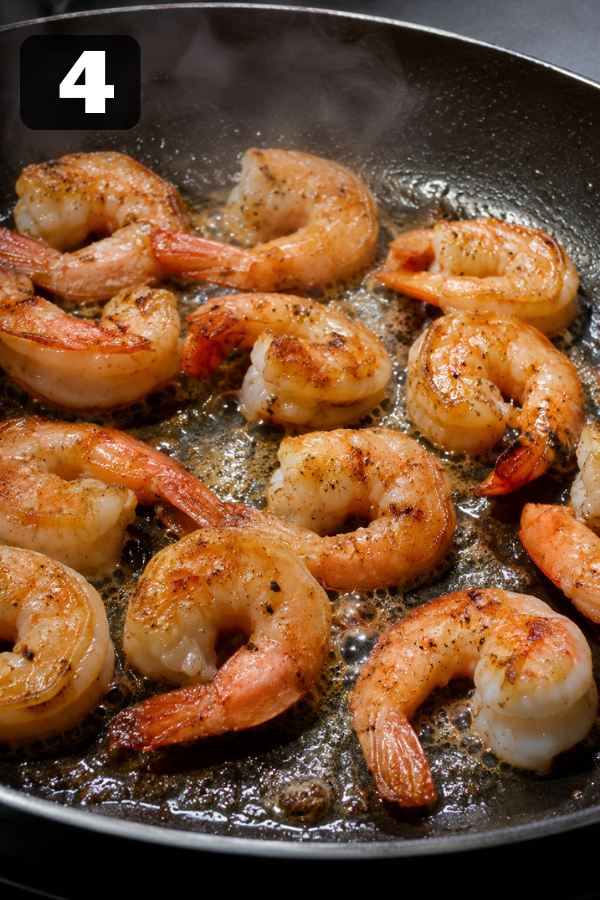
Heat a large skillet over medium-high heat.
Once the pan is hot, add the shrimp in a single layer. Cook for about 2 minutes per side, or until the shrimp turn pink and opaque.
However, resist the urge to keep cooking. Overcooked shrimp can go from juicy to rubbery faster than most people realize.
When the shrimp are done, transfer them to a plate.
Step 5: Bring Everything Together
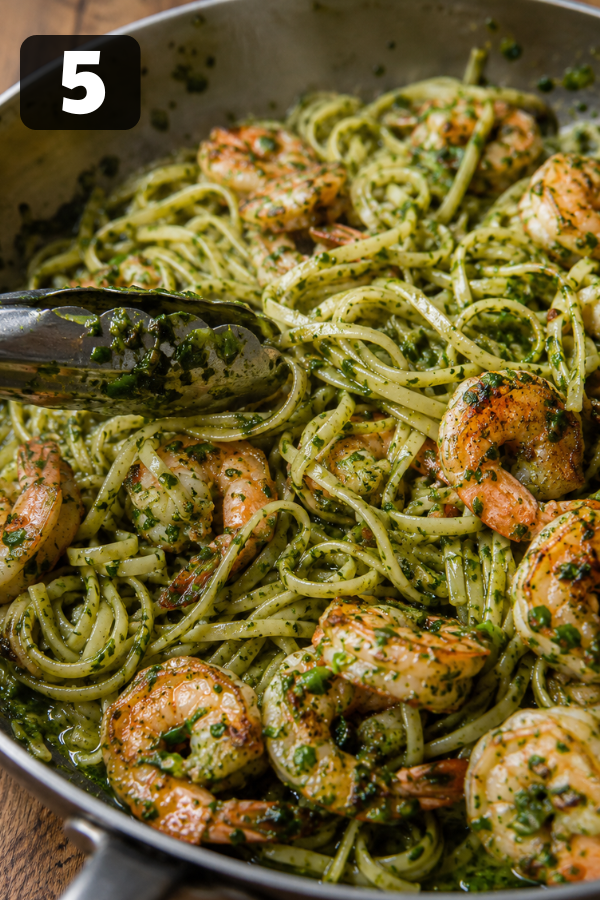
Return the skillet to low heat.
Add the cooked pasta, then pour in the chimichurri. Toss gently until the noodles are evenly coated.
If the pasta seems dry, add a splash of reserved pasta water. Ideally, the sauce should lightly coat the noodles without pooling at the bottom of the pan.
Finally, add the shrimp back to the skillet and toss once more. Be gentle here so the shrimp stay tender and the pasta keeps its shape.
Step 6: Garnish and Serve
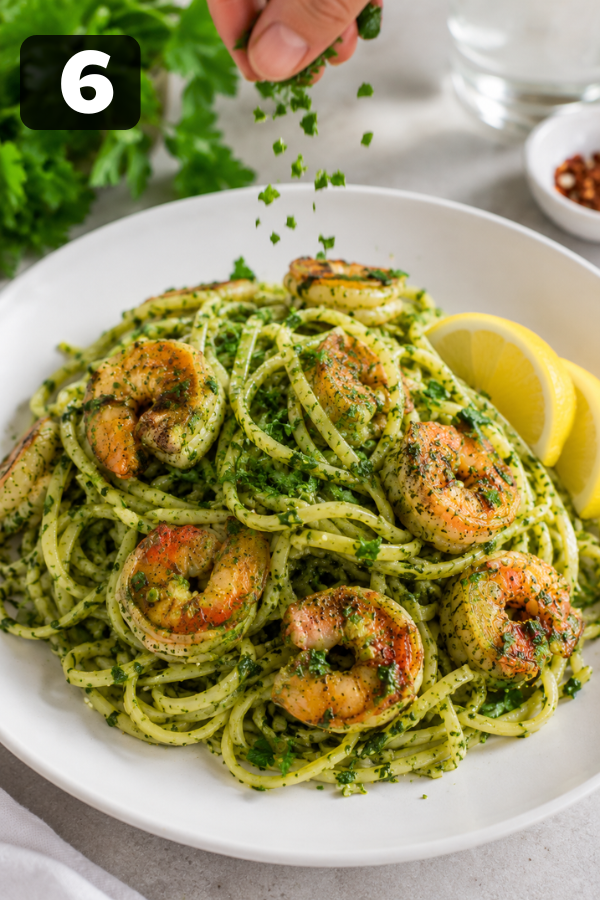
Finish the pasta with fresh parsley, lemon wedges, Parmesan cheese, or extra red pepper flakes.
Then, serve immediately while the shrimp are still tender and the sauce tastes bright and fresh.
The colors alone are enough to make people gather around the table.
A Few Tricks for Even Better Results
Good recipes become great recipes through little details. Thankfully, this dish only needs a few simple tricks to taste its best.
Use Fresh Herbs
Fresh parsley is essential here. Dried parsley simply will not deliver the same brightness, texture, or fresh green flavor.
Don’t Overcrowd the Pan
If your skillet feels crowded, cook the shrimp in batches. Otherwise, the shrimp may steam instead of sear.
A proper sear creates better flavor and gives the shrimp a more satisfying texture.
Let the Chimichurri Rest
If possible, let the sauce sit for 15 to 30 minutes before using it. During that time, the garlic, herbs, vinegar, and olive oil become more balanced and cohesive.
Save More Pasta Water Than You Think You Need
Most home cooks save too little pasta water. For best results, reserve a full cup before draining the noodles.
That way, you have enough liquid to adjust the sauce if the pasta starts to feel dry.
Easy Variations
One of the reasons people keep coming back to this recipe is its adaptability. Once you understand the basic method, you can adjust it based on the season, your pantry, or your personal taste.
Creamy Avocado Chimichurri Shrimp Pasta
Blend a ripe avocado into the chimichurri for a creamier version. The result is silky, rich, and surprisingly satisfying without any cream.
This variation works especially well if you want a dairy-free pasta that still feels smooth and comforting.
Grilled Shrimp Version
During summer grilling season, swap skillet-cooked shrimp for grilled shrimp. The smoky flavor pairs beautifully with the fresh herbs and garlic.
In addition, grilled shrimp adds a slightly charred flavor that makes the dish feel even more special.
Vegetable-Packed Version
Add extra vegetables to stretch the meal and make it more colorful.
Great options include:
- Spinach
- Zucchini
- Roasted asparagus
- Cherry tomatoes
- Bell peppers
For best results, choose vegetables that cook quickly or can be added at the end.
Spicy Chimichurri Pasta
If you love heat, increase the red pepper flakes or add finely chopped jalapeño.
The extra kick works wonderfully with shrimp, especially when balanced with a squeeze of fresh lemon juice.
Storage and Leftovers
This recipe stores surprisingly well, which makes it a practical option for lunch the next day.
Refrigerator
Store leftovers in an airtight container for up to 3 days.
Reheating
Warm the pasta gently in a skillet over low heat. Add a splash of water if needed to loosen the sauce.
Try not to microwave it for too long, because shrimp can become tough when overheated.
Meal Prep Tip
Prepare the chimichurri up to two days in advance. Then, cook the pasta and shrimp fresh when possible.
This approach gives you the best texture while still saving time.
What to Serve with Chimichurri Shrimp Pasta
This pasta is satisfying on its own. However, a few simple sides can turn it into a complete restaurant-style meal.
Great pairings include:
- Garlic bread
- Caesar salad
- Arugula salad
- Roasted asparagus
- Grilled zucchini
- Green beans
For drinks, try:
- Sauvignon Blanc
- Pinot Grigio
- Sparkling water with lemon
- Fresh lemonade
And if dessert is on the menu, a light lemon sorbet feels like the perfect ending.
Common Problems and Simple Fixes
Even easy recipes occasionally throw curveballs. Luckily, most issues are simple to fix.
Pasta Is Dry
Add reserved pasta water one tablespoon at a time until the sauce loosens and coats the noodles nicely.
Chimichurri Tastes Too Sharp
If the sauce tastes too acidic, add a little extra olive oil. The added richness helps soften the sharpness.
Shrimp Turned Rubbery
The shrimp were likely overcooked. Next time, remove them from the pan as soon as they turn pink and opaque.
Sauce Feels Too Thick
A splash of pasta water usually solves the problem immediately. For best results, add it slowly so the sauce does not become watery.
Nutrition Info
The following nutrition estimates are based on one serving of Chimichurri Shrimp Pasta, assuming the recipe serves 4.
- Calories: 480–550 kcal
- Protein: 28–32g
- Carbohydrates: 45–55g
- Fat: 18–24g
- Saturated Fat: 2–4g
- Fiber: 2–4g
- Sugar: 1–3g
- Sodium: 500–700mg
These numbers may vary depending on the pasta shape, shrimp size, olive oil amount, and optional toppings you use.
Frequently Asked Questions
1. Can I use frozen shrimp?
Absolutely. Just thaw the shrimp completely and pat them dry before cooking.
This helps them sear better and prevents excess moisture from watering down the dish.
2. Can I make chimichurri ahead of time?
Yes. In fact, many people think chimichurri tastes even better after several hours in the refrigerator.
For best flavor, store it in an airtight container and stir it well before using.
3. Is this recipe spicy?
Not particularly. The red pepper flakes add gentle warmth rather than strong heat.
However, you can easily make it spicier by adding more red pepper flakes or a little chopped jalapeño.
4. Can I use chicken instead of shrimp?
Definitely. Grilled or pan-seared chicken works beautifully with chimichurri.
Just make sure the chicken is fully cooked before tossing it with the pasta and sauce.
5. Is Chimichurri Shrimp Pasta healthy?
Compared to many cream-based pasta dishes, yes. It provides lean protein from shrimp and heart-friendly fats from olive oil while avoiding heavy sauces.
That said, portion size, pasta type, and optional toppings will affect the final nutrition.
Final Thoughts
Chimichurri Shrimp Pasta proves that a simple dinner can still feel special. With juicy shrimp, tender pasta, and a bright homemade chimichurri sauce, this recipe delivers fresh flavor in every bite.
Best of all, it comes together in about 30 minutes. That makes it perfect for busy weeknights, casual entertaining, or easy meal prep.
Give it a try, and it just might become one of your favorite go-to pasta dinners.
Don’t Miss: Tomato Spinach Shrimp Pasta
Don’t Miss: Creamy Sun-Dried Tomato Pasta
Also Try: The Best Shrimp Tacos
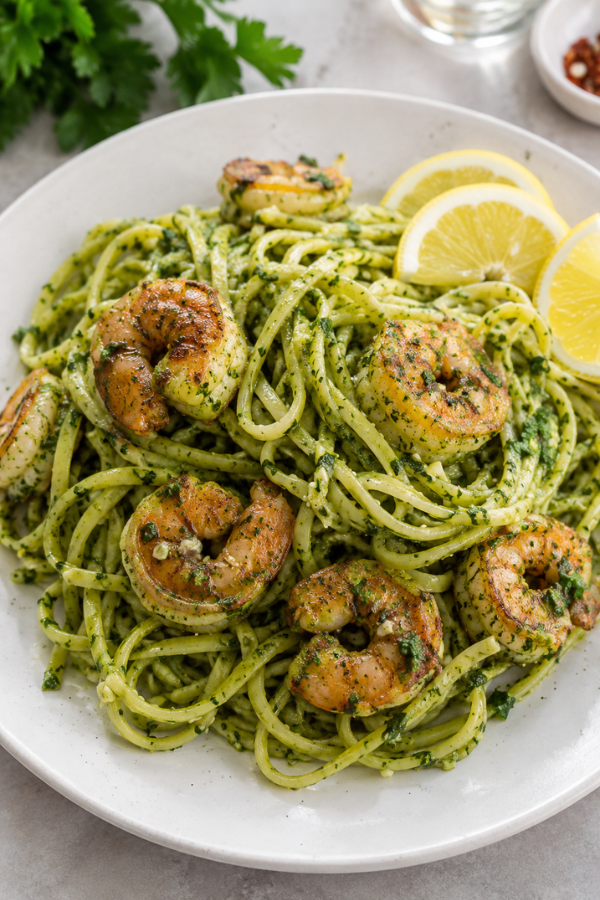
Ingredients
Method
- Make the chimichurri: Pulse parsley, garlic, oregano, red pepper flakes, olive oil, and red wine vinegar in a food processor until finely chopped. Season with salt and pepper.

- Cook the pasta: Boil pasta in salted water until al dente. Reserve 1 cup of pasta water, then drain.
- Season the shrimp: Pat shrimp dry, then toss with olive oil, salt, and black pepper.
- Cook the shrimp: Sear shrimp in a hot skillet for about 2 minutes per side, or until pink and opaque. Transfer to a plate.
- Toss everything together: Add pasta and chimichurri to the skillet over low heat. Toss gently, adding reserved pasta water as needed.
- Garnish and serve: Return shrimp to the pasta, toss once more, then finish with parsley, lemon, Parmesan, or red pepper flakes if desired. Serve immediately.
