
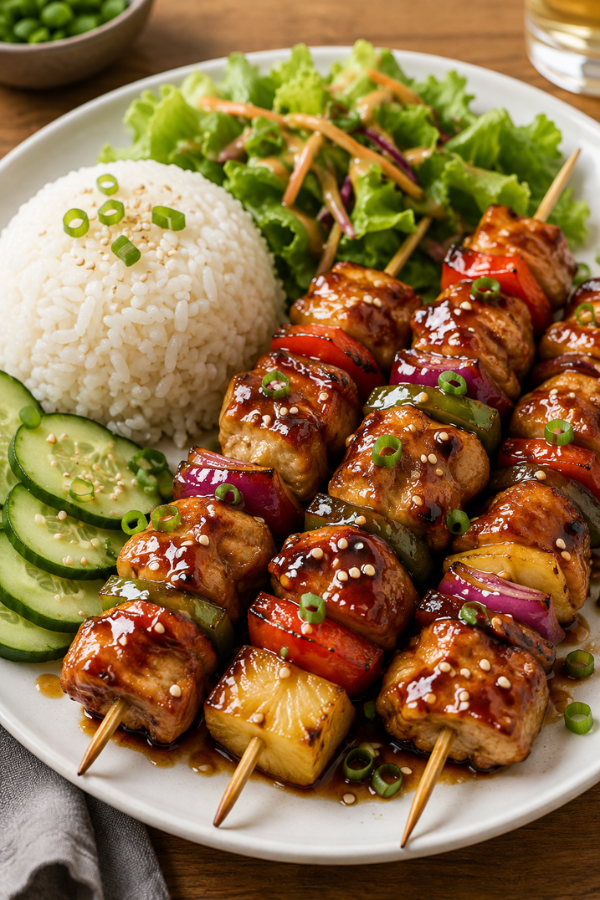
Chicken Teriyaki Skewers are the kind of dinner that looks fun, tastes bold, and still feels easy enough for a busy weeknight. Tender chicken pieces are coated in a sweet-savory teriyaki marinade, threaded onto skewers, and grilled until glossy, juicy, and lightly charred around the edges.
What makes this recipe especially satisfying is the balance of flavors. Salty soy sauce, warm ginger, fresh garlic, and a touch of sweetness come together in a sticky glaze that clings to every bite. Serve the skewers hot off the grill with rice, vegetables, or a crisp cucumber salad for a simple meal that feels far more exciting than plain chicken.
Why You’ll Love This Recipe
These Chicken Teriyaki Skewers are designed for real-life cooking. In other words, they require simple preparation, cook quickly, and leave you with minimal cleanup.
Fast once marinated: After the chicken has absorbed the marinade, the skewers usually cook in only 10 to 15 minutes.
Easy to customize: Keep the skewers chicken-only for simplicity, or add pineapple, bell peppers, red onion, zucchini, or mushrooms for extra color and texture.
Great for leftovers: Simply slide the cooked chicken off the skewers and use it in rice bowls, noodles, salads, wraps, or lunch boxes.
Works without an outdoor grill: Fortunately, you can also prepare this recipe on a grill pan, in the oven, under the broiler, or in an air fryer.
Family-friendly flavor: The base recipe is sweet and savory rather than spicy. However, anyone who enjoys extra heat can add chili flakes or sriracha at the table.
Ingredients
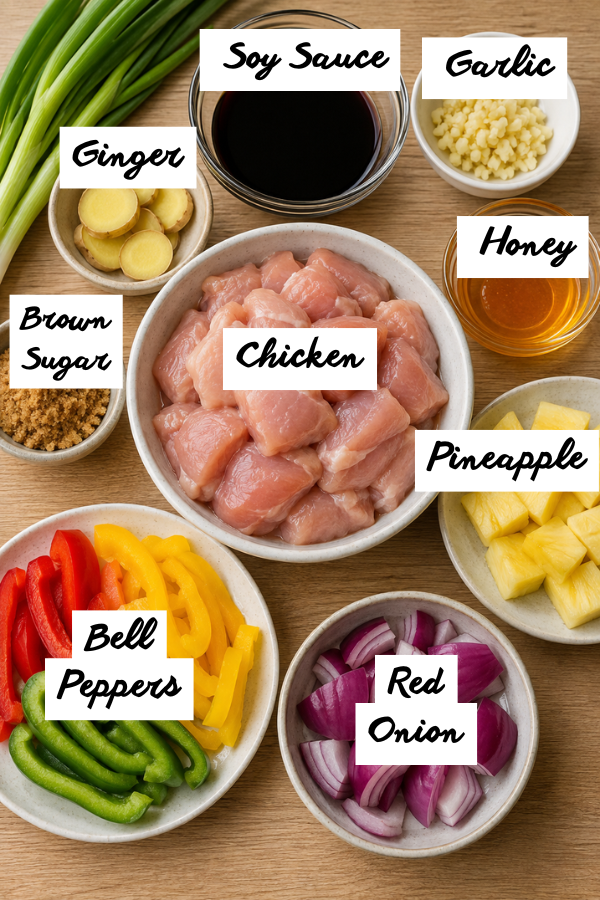
This recipe relies on simple, pantry-friendly ingredients, so you will not need anything fancy or difficult to find.
For the Chicken
- 1½ to 2 pounds boneless, skinless chicken thighs or chicken breasts
- Cut into 1 to 1½-inch pieces
Chicken thighs are usually the juiciest option because they stay tender and are more forgiving on the grill. Chicken breasts also work well when you want a leaner meal. However, you will need to watch the cooking time carefully because breast meat can dry out more quickly.
For the Teriyaki Sauce
- ½ cup low-sodium soy sauce
- ⅓ cup water
- ¼ cup brown sugar
- 1 to 2 tablespoons honey
- 2 to 3 garlic cloves, minced
- 1 tablespoon rice vinegar
- 1 teaspoon freshly grated ginger
- ½ teaspoon sesame oil
- 1 tablespoon cornstarch
- 1 tablespoon cold water
Low-sodium soy sauce prevents the glaze from becoming overly salty as it reduces and thickens. Meanwhile, brown sugar and honey provide sweetness, shine, and caramelization. Fresh garlic and ginger also give the sauce its warm, bold flavor.
Before adding the cornstarch, mix it thoroughly with cold water. As a result, the sauce will become smooth and glossy without developing lumps.
Optional Add-Ins
- Pineapple chunks
- Bell peppers
- Red onion
- Zucchini
- Mushrooms
- Sesame seeds
- Green onions
Pineapple provides juicy sweetness and caramelizes beautifully over the heat. Bell peppers, on the other hand, bring bright color and a slightly crisp texture. Red onion becomes softer and sweeter as it cooks, while zucchini and mushrooms add extra vegetables without overpowering the teriyaki flavor.
For the Skewers
- 8 to 12 bamboo or metal skewers
When using bamboo skewers, soak them in water for at least 30 minutes before grilling. Metal skewers do not require soaking. Additionally, you can wrap the exposed bamboo tips with a small piece of foil if they begin to darken too quickly.
Step-by-Step Instructions
Step 1: Make the Teriyaki Sauce
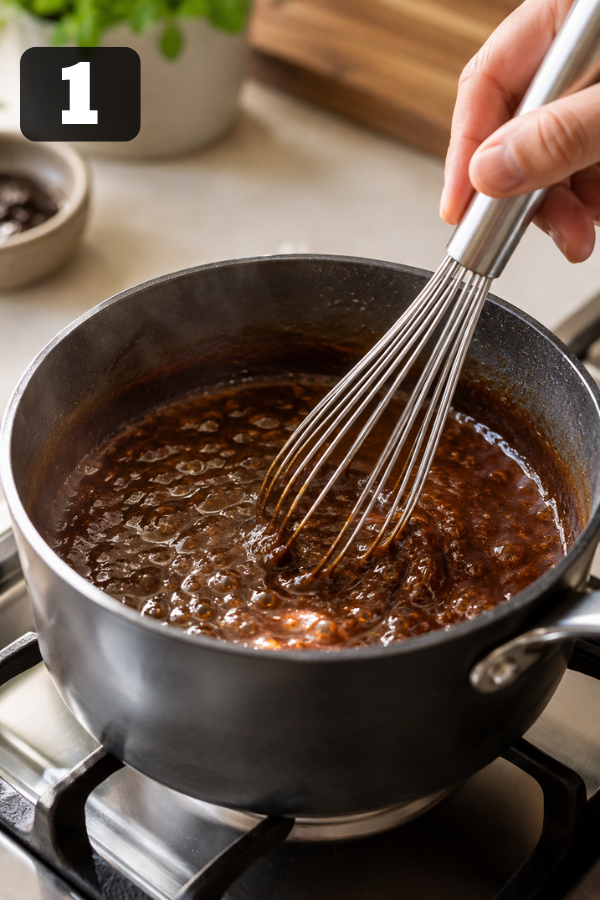
First, add the soy sauce, water, brown sugar, honey, garlic, rice vinegar, ginger, and sesame oil to a small saucepan.
Bring the mixture to a gentle simmer over medium heat. Then, stir until the sugar has dissolved and the sauce smells warm, sweet, and garlicky.
In a separate small bowl, combine the cornstarch with cold water until completely smooth. Gradually pour the slurry into the saucepan while whisking. Continue cooking for 1 to 3 minutes, or until the sauce becomes glossy and lightly thickened.
Ideally, the sauce should coat the back of a spoon while remaining easy to brush. Think of a glaze rather than a thick paste.
Next, remove the saucepan from the heat and allow the sauce to cool before adding it to the chicken.
Most importantly, divide the sauce before any of it touches raw meat. Use one portion as the marinade and keep the second portion clean for glazing the skewers near the end of cooking.
Step 2: Cut the Chicken
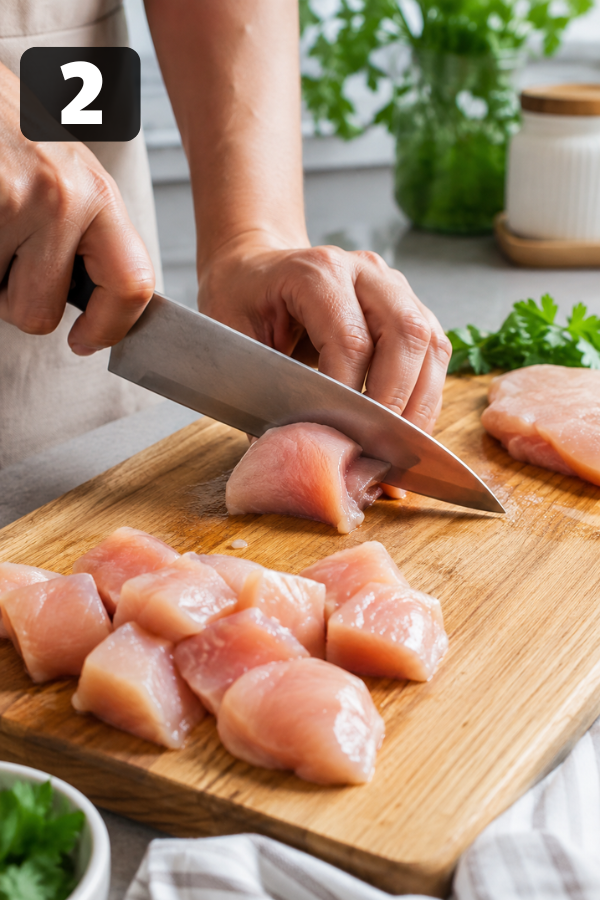
Pat the chicken dry with paper towels so the marinade can cling more effectively.
Afterward, cut the meat into even 1 to 1½-inch pieces. Keeping the chunks close in size helps them cook at approximately the same rate.
Uneven pieces can make grilling frustrating. For example, very small chunks may dry out while larger pieces are still undercooked. Therefore, taking a little extra time to cut the chicken evenly makes the rest of the recipe much easier.
Step 3: Marinate the Chicken
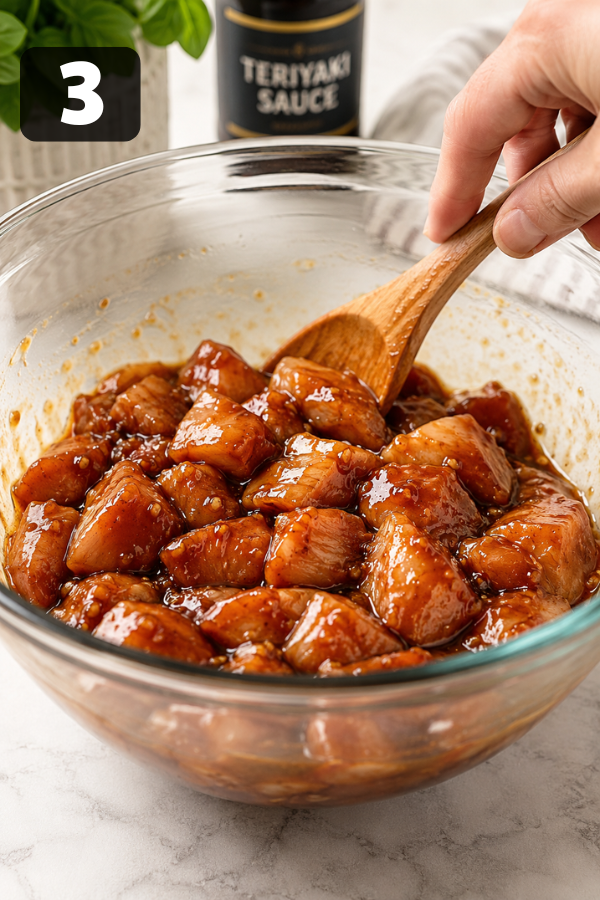
Place the chicken in a large bowl or zip-top bag. Pour the cooled marinade over the meat, then toss until every piece is thoroughly coated.
Refrigerate the chicken for at least 30 minutes. For deeper flavor, however, allow it to marinate for 2 to 4 hours.
Overnight marinating is also possible. Nevertheless, avoid leaving the chicken too long in a mixture containing large amounts of acidic ingredients or pineapple juice. Excessive marinating can soften the texture more than intended.
Step 4: Prepare the Vegetables and Pineapple
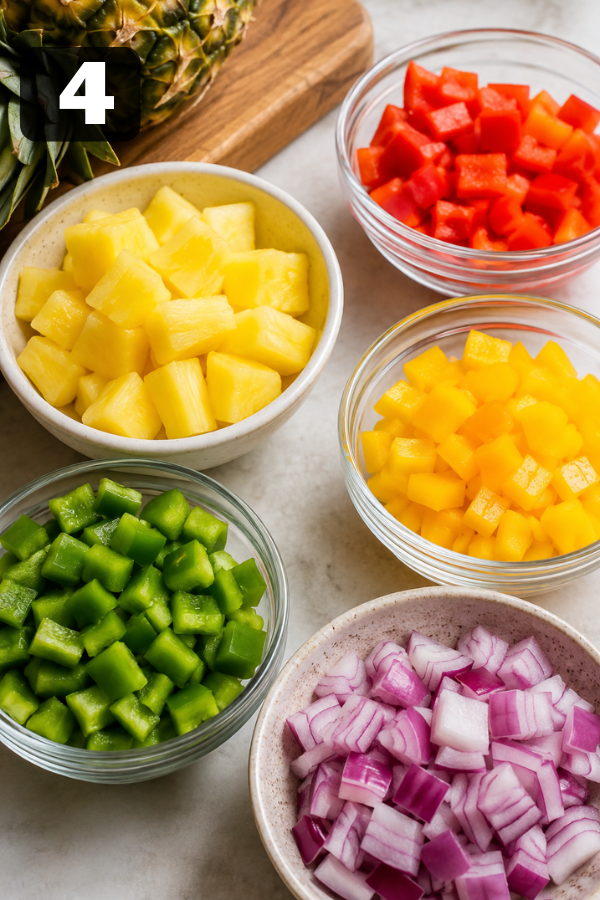
While the chicken marinates, cut the pineapple, bell peppers, onion, or other vegetables into chunks.
Try to keep these pieces approximately the same size as the chicken. Consequently, the skewers will look more balanced and cook more evenly.
When using canned pineapple, drain it thoroughly and pat it dry. Otherwise, excess moisture may prevent the fruit from developing golden, caramelized edges.
Step 5: Thread the Skewers
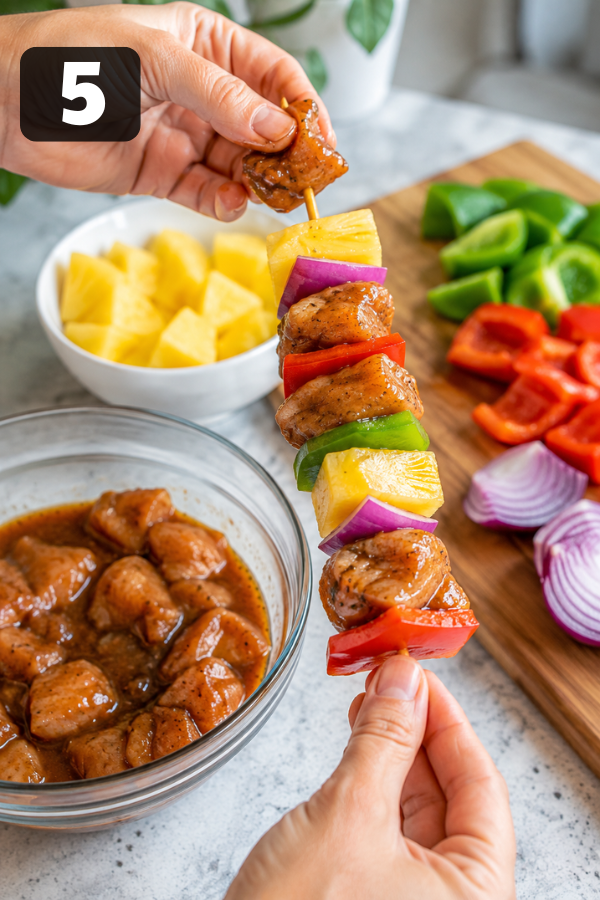
Begin threading the marinated chicken onto the skewers.
For the easiest version, use chicken only. This approach provides more meat on each skewer and keeps preparation especially simple.
For a colorful variation, alternate the ingredients in the following order:
- Chicken
- Bell pepper
- Pineapple
- Red onion
- Chicken again
Leave a small amount of space between each piece. Heat needs room to circulate, so avoid packing the ingredients too tightly.
Crowded skewers tend to steam rather than grill. As a result, they may cook more slowly and develop less browning. A little breathing room helps create the smoky, caramelized edges that make grilled skewers so appealing.
Step 6: Grill the Skewers
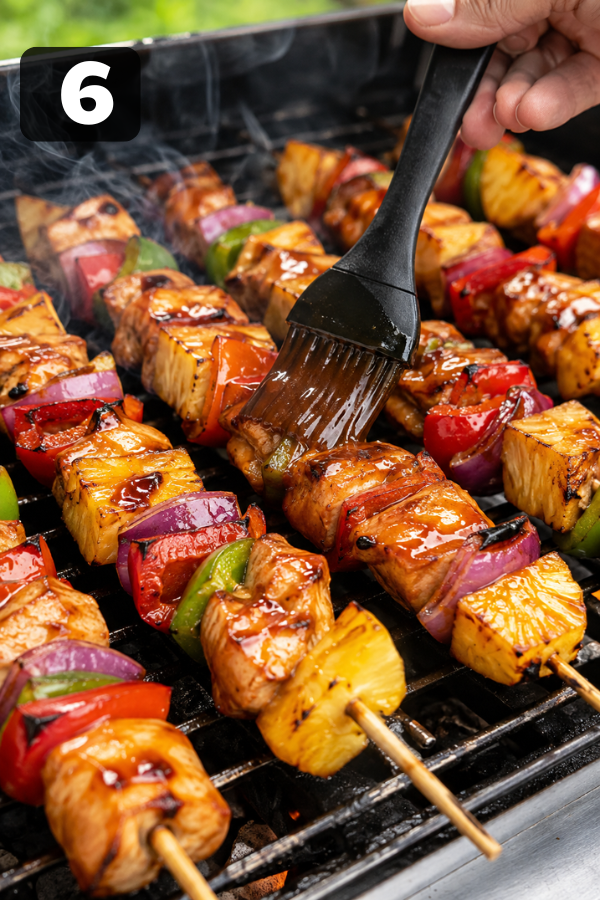
Preheat the grill to medium or medium-high heat.
Once hot, clean the grates and brush them lightly with oil. Teriyaki sauce contains sugar and can become very sticky, so this step helps prevent the chicken from tearing.
Arrange the skewers on the grill and cook for 8 to 15 minutes. During that time, turn them every 2 to 4 minutes so each side browns evenly.
Brush the reserved clean teriyaki sauce over the skewers during the final 2 to 3 minutes of cooking.
Avoid applying the glaze too early because its sugar can burn before the chicken is fully cooked. Light caramelization adds flavor, whereas large blackened patches can taste bitter.
Finally, check the thickest piece with a meat thermometer. The chicken is ready when the center reaches 165°F.
Step 7: Rest and Serve
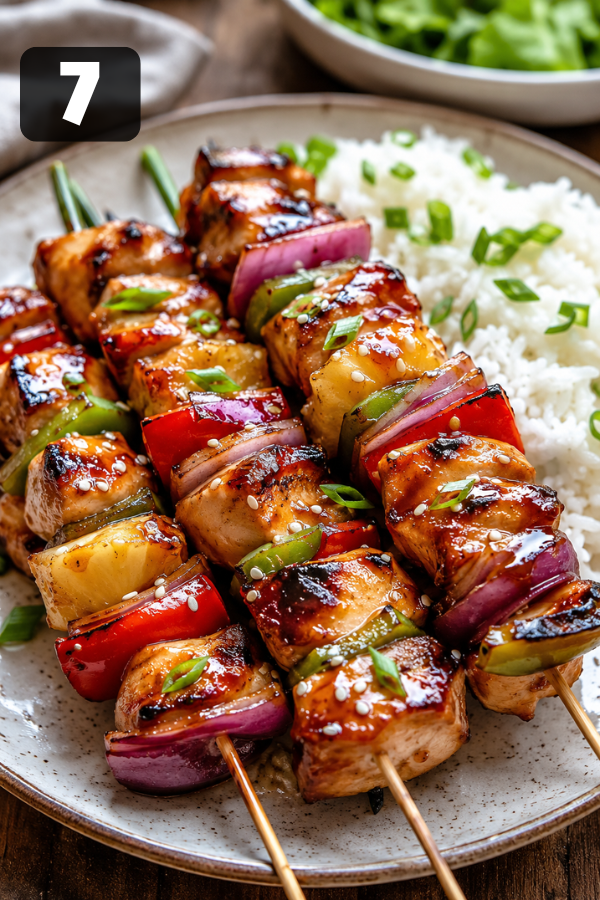
Transfer the finished skewers to a platter and allow them to rest for 3 to 5 minutes.
Before serving, sprinkle them with sesame seeds and sliced green onions. Pair the skewers with rice, noodles, salad, grilled vegetables, or lettuce wraps.
The finished chicken should taste tender, sticky, savory, slightly sweet, and just smoky enough to feel more special than an ordinary weeknight dinner.
No Grill? No Problem
You can still prepare delicious Chicken Teriyaki Skewers without an outdoor grill. Although the flavor will be slightly different, the chicken will remain juicy, glossy, and satisfying.
Oven Method
Preheat the oven to 400°F.
Line a baking sheet with parchment paper or foil. Then, arrange the skewers in a single layer without overcrowding the pan.
Bake for 8 to 10 minutes before flipping. Continue baking for another 8 to 10 minutes, or until the chicken reaches 165°F.
During the final few minutes, brush the skewers with reserved sauce. For additional color, broil them for 1 to 2 minutes. However, watch carefully because the sweet glaze can burn quickly.
Air Fryer Method
Choose short skewers that fit comfortably inside your air fryer basket. Alternatively, cook the marinated chicken pieces without skewers when standard skewers are too long.
Air fry at 380°F to 400°F for approximately 14 to 18 minutes. Flip the chicken halfway through to promote even browning.
Near the end, brush the pieces with clean teriyaki sauce. Continue cooking until the internal temperature reaches 165°F.
Grill Pan Method
Heat a grill pan over medium-high heat and brush the surface lightly with oil.
Cook the skewers for approximately 3 to 4 minutes per side. Continue turning until every side is browned and the chicken is fully cooked.
This method is especially useful when you want attractive grill marks without having to cook outdoors.
Tips for Success
Choose chicken thighs for extra juiciness. Chicken breasts work perfectly well, but thighs provide more flexibility if the skewers stay over the heat slightly too long.
Cut the chicken evenly. Although this step seems minor, consistent pieces cook more predictably and help prevent dry or undercooked chicken.
Soak bamboo skewers thoroughly. A 30-minute soak reduces the chance that the wood will scorch too quickly over direct heat.
Oil the grill grates. Because teriyaki sauce is sticky, well-oiled grates make flipping easier and help keep the chicken intact.
Reserve clean sauce for glazing. Never brush cooked chicken with marinade that has touched raw meat unless the marinade has first been boiled thoroughly.
Apply the glaze near the end. Since the sauce contains sugar, adding it too early can lead to burning.
Use a meat thermometer. Checking for 165°F is the easiest way to avoid both dry chicken and undercooked chicken.
Storage and Leftover Notes
Before storing leftovers, remove the chicken, pineapple, and vegetables from the skewers. Then, place everything in an airtight container.
Refrigerated leftovers will keep for 3 to 4 days.
The microwave is the fastest reheating method. Cover the chicken loosely and warm it in short intervals so it does not dry out.
For better texture, however, reheat the leftovers in a skillet over medium-low heat. Add a splash of water or extra teriyaki sauce to restore moisture.
Cooked chicken pieces can also be frozen for 2 to 3 months. Keep in mind that the vegetables and pineapple may become softer after thawing.
For meal preparation, freezing the raw chicken in its marinade is often the better option. Thaw it overnight in the refrigerator, thread it onto skewers, and cook it fresh when needed.
What to Serve With Chicken Teriyaki Skewers
These skewers pair well with a wide variety of sides. Therefore, you can keep dinner simple or turn the recipe into a complete BBQ-style meal.
Serve them with:
- Steamed white rice
- Brown rice
- Fried rice
- Garlic noodles
- Cucumber salad
- Steamed broccoli
- Grilled zucchini
- Lettuce wraps
- Pineapple slaw
- Hawaiian-style macaroni salad
- Roasted carrots
- Edamame
- Cauliflower rice
For a lighter plate, combine the skewers with lettuce wraps and cucumber salad.
For a comforting weeknight dinner, serve them over rice with steamed broccoli.
Alternatively, create a summer BBQ plate with grilled pineapple, macaroni salad, and cold iced tea.
Refreshing drink options include iced green tea, sparkling lime water, ginger lemonade, and pineapple iced tea. A lightly sweet Riesling also pairs nicely with the salty-sweet glaze.
To finish the meal, choose a bright dessert such as mango sorbet, lemon bars, coconut pudding, or chilled watermelon.
Variations
Hawaiian Chicken Teriyaki Skewers
Add pineapple chunks, bell peppers, and red onion between the pieces of chicken.
This variation is colorful, sweet, and especially suitable for summer grilling or backyard parties.
Spicy Chicken Teriyaki Skewers
Mix red pepper flakes, sriracha, chili garlic sauce, or gochujang into the teriyaki sauce.
When cooking for children or guests with different spice preferences, keep the base recipe mild. Then, offer hot sauce separately at the table.
Gluten-Free Chicken Teriyaki Skewers
Replace regular soy sauce with certified gluten-free tamari.
Additionally, check the labels of all packaged ingredients to confirm that they meet your dietary requirements.
Soy-Free Chicken Teriyaki Skewers
Use coconut aminos in place of soy sauce.
Because coconut aminos are generally sweeter, consider reducing the brown sugar or honey slightly.
Lower-Sugar Teriyaki Skewers
Reduce the brown sugar by approximately half.
The finished sauce will be less sticky. Nevertheless, you can maintain a strong flavor by adding extra garlic, ginger, and a small splash of rice vinegar.
Chicken-Only Skewers
Leave out the fruit and vegetables for the simplest possible version.
Chicken-only skewers are quick to assemble and work especially well for rice bowls, lunch boxes, and weekly meal preparation.
FAQs
1. Can I make Chicken Teriyaki Skewers ahead of time?
Yes. You can make the sauce 3 to 4 days ahead, marinate the chicken the night before, and thread the skewers a few hours before cooking.
2. How long should I marinate the chicken?
Marinate for at least 30 minutes. For the best flavor, aim for 2 to 4 hours.
3. Can I use chicken breast instead of thighs?
Yes. Chicken breast works well and is leaner, but chicken thighs stay juicier and are harder to overcook.
4. Can I bake Chicken Teriyaki Skewers?
Yes. Bake them at 400°F for about 16 to 20 minutes, flipping halfway through. Brush with sauce near the end.
5. Can I air fry them?
Yes. Air fry at 380°F to 400°F for about 14 to 18 minutes, flipping halfway. Use short skewers or cook the chicken pieces without skewers.
6. Can I freeze Chicken Teriyaki Skewers?
Yes. It’s best to freeze the raw chicken in the marinade before cooking. Cooked chicken can also be frozen, but vegetables and pineapple may soften after thawing.
Nutrition Info
Nutrition will vary based on the chicken cut, sauce amount, and sides.
Estimated per serving:
- Calories: 300–420
- Protein: 28–45g
- Carbs: 20–45g
- Fat: 6–14g
Chicken breast will be leaner. Chicken thighs will be juicier and slightly higher in fat.
To make the meal lighter, serve the skewers with cauliflower rice, cucumber salad, or steamed vegetables.
To make it more filling, serve with rice, noodles, fried rice, or macaroni salad.
Final Thoughts
Chicken Teriyaki Skewers are simple, flavorful, and easy to fit into a busy weeknight. With tender chicken, a sticky homemade glaze, and plenty of ways to serve them, this recipe works just as well for family dinners as it does for BBQs or meal prep.
Keep them classic with chicken only, or add pineapple, peppers, and red onion for a colorful grilled meal. Either way, they’re the kind of easy dinner you’ll want to make again.
Don’t Miss: BBQ Chicken Bacon Pineapple Kabobs
Don’t Miss: Huli Huli Chicken Recipe
Also Try: Garlic & Ginger Bok Choy
Ingredients
Method
- Make the teriyaki sauce: Add soy sauce, water, brown sugar, honey, garlic, rice vinegar, ginger, and sesame oil to a saucepan. Simmer over medium heat until the sugar dissolves.

- Thicken the sauce: Mix cornstarch with cold water, then whisk it into the sauce. Cook for 1 to 3 minutes until glossy and lightly thickened. Let it cool, then reserve half for glazing.
- Cut the chicken: Pat the chicken dry and cut it into even 1 to 1½-inch pieces so it cooks evenly.
- Marinate the chicken: Toss the chicken with the cooled marinade. Cover and refrigerate for at least 30 minutes, or 2 to 4 hours for deeper flavor.
- Thread the skewers: Add chicken to skewers, alternating with pineapple, bell peppers, and red onion if using. Leave a little space between pieces so they grill instead of steam.
- Grill the skewers: Grill over medium to medium-high heat for 8 to 15 minutes, turning every 2 to 4 minutes. Brush with reserved sauce during the final 2 to 3 minutes.
- Rest and serve: Cook until the chicken reaches 165°F, then rest for 3 to 5 minutes. Garnish with sesame seeds and green onions, and serve warm.
