
There’s something grounding about pulling a tray of warm bread from the oven. This Easy Homemade Dinner Roll recipe gives you soft, golden rolls with simple pantry ingredients and minimal cleanup. They’re fluffy, lightly sweet, and perfect for busy weeknights, holiday tables, or meal prep. If you’ve ever thought homemade bread was too fussy, let me show you how doable—and honestly relaxing—it can be.
Why These Rolls Just Work
Let’s be honest—most of us don’t wake up thinking, “Tonight I’ll make bread from scratch.” We think about soccer practice, emails, what’s in the fridge. But here’s the thing: an Easy Homemade Dinner Roll doesn’t have to be complicated or time-consuming.
These rolls are:
- Ready in about 90 minutes total (including rise time)
- Made with basic pantry staples—no specialty flour needed
- Soft enough for picky eaters, sturdy enough for sliders
- Freezer-friendly and meal-prep approved
- Around 130–150 calories per roll (depending on size)
And the texture? Think bakery-soft with a tender crumb that pulls apart in strands. Not dense. Not dry. Just right.
Honestly, once you make them once, you’ll wonder why you ever bought the plastic-bag kind.
What You’ll Need
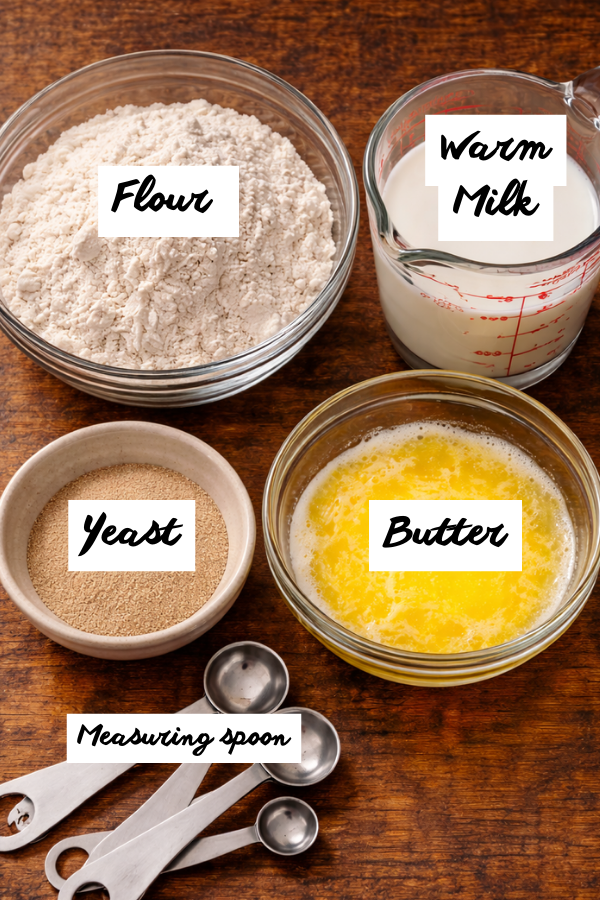
You probably already have everything.
The Dough
- 2¼ teaspoons active dry yeast (1 packet)
- 1 cup warm milk (100–110°F)
- ¼ cup warm water
- 3 tablespoons sugar
- ¼ cup melted butter (unsalted)
- 1 teaspoon salt
- 3 to 3½ cups all-purpose flour
That’s it. No eggs required for this version, which keeps it light and easy.
Optional Toppings
- Melted butter for brushing
- Flaky sea salt
- Garlic butter (for savory twist)
- Honey butter (for brunch vibes)
If you want slightly richer rolls, you can add one egg. If you want a heartier feel, swap 1 cup of flour for whole wheat. Just know they’ll be a bit denser—still good, just different.
Step-by-Step Instructions
You don’t need a stand mixer, though it helps. A bowl and wooden spoon work just fine.
Step 1: Wake Up the Yeast
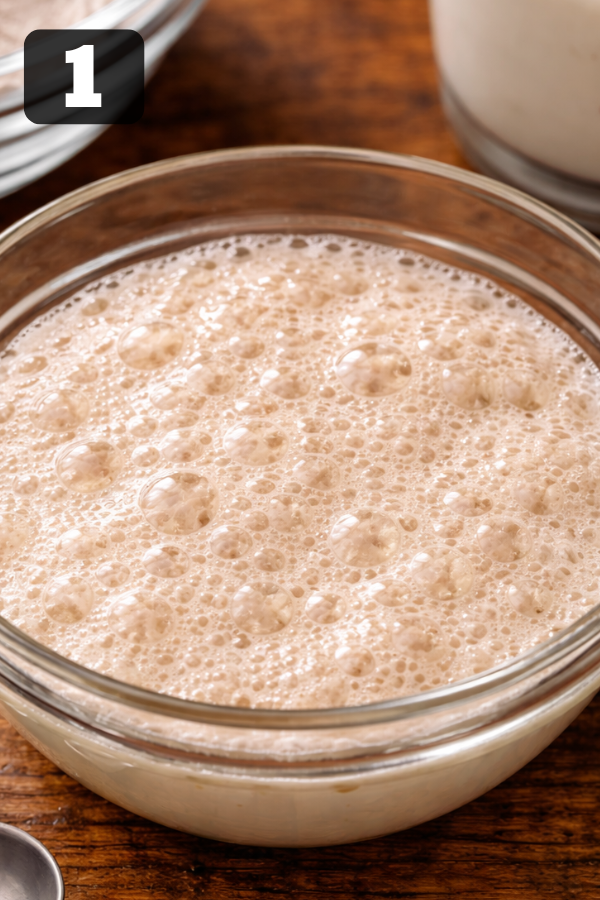
Combine warm water, warm milk, sugar, and yeast in a bowl. Let it sit for 5–10 minutes until it gets foamy.
No foam? The yeast may be old—or the liquid too hot. It happens. Better to find out now than later.
Step 2: Add the Good Stuff
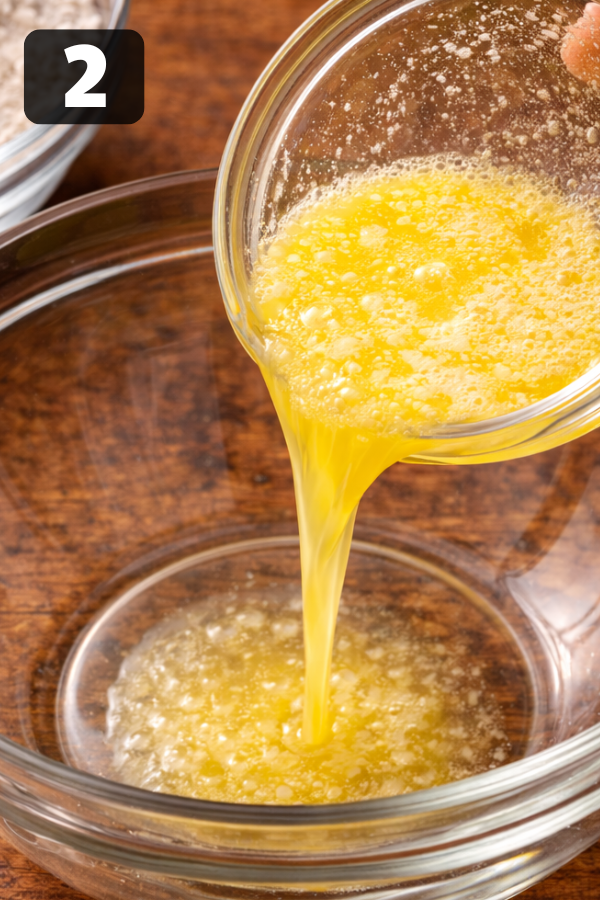
Stir in melted butter and salt. Then add flour gradually, one cup at a time.
The dough should feel soft and slightly sticky—not dry. If it feels stiff, you added too much flour. It’s okay. Just remember next time: flour sneaks in fast.
Step 3: Knead (But Don’t Overthink It)
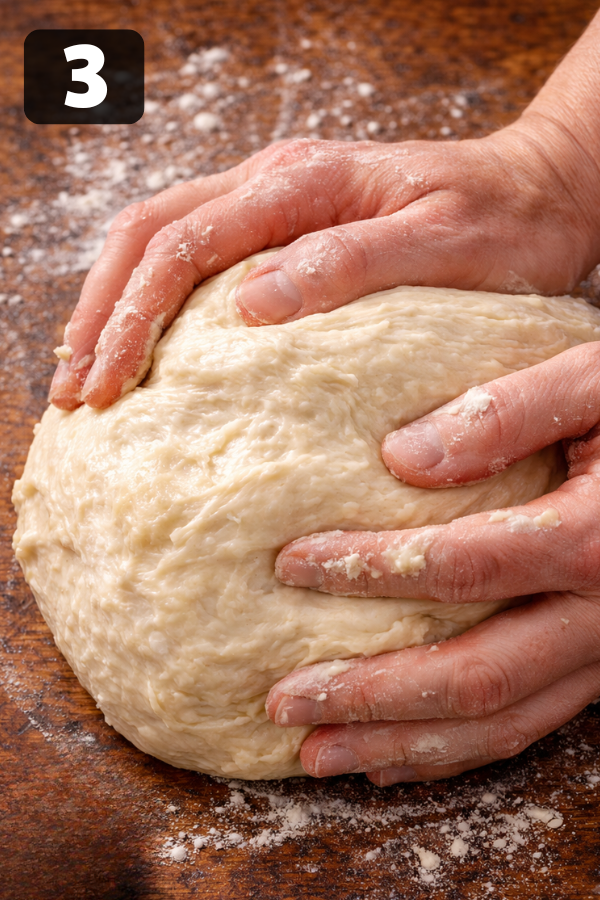
Knead for 5–8 minutes until smooth and elastic.
You’re looking for dough that springs back gently when pressed. If you’ve ever kneaded pizza dough, this is similar—just softer.
Step 4: First Rise
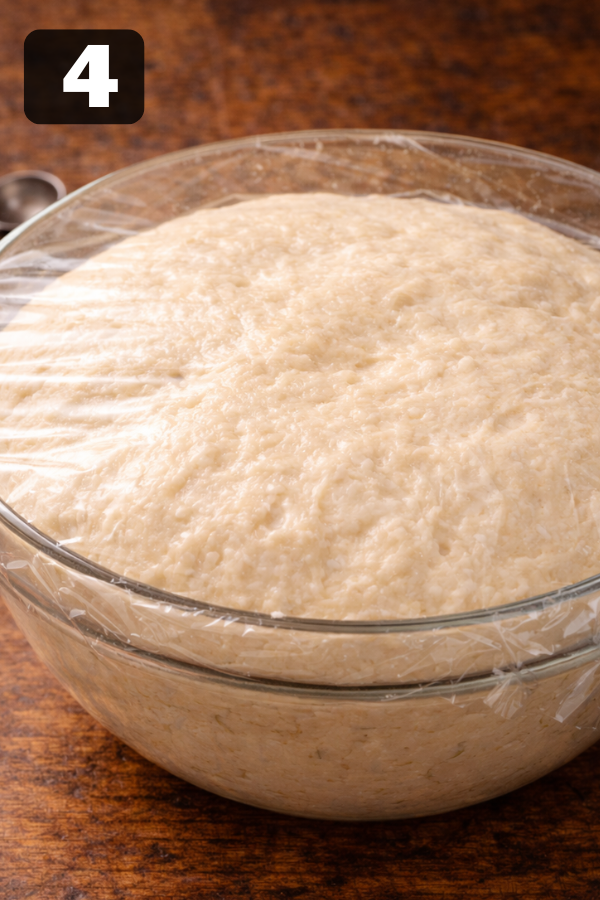
Place dough in a greased bowl. Cover with a towel and let it rise in a warm spot for about 60 minutes.
It should double in size.
No warm spot? Turn your oven light on and let the bowl sit inside. Works every time.
Step 5: Shape the Rolls
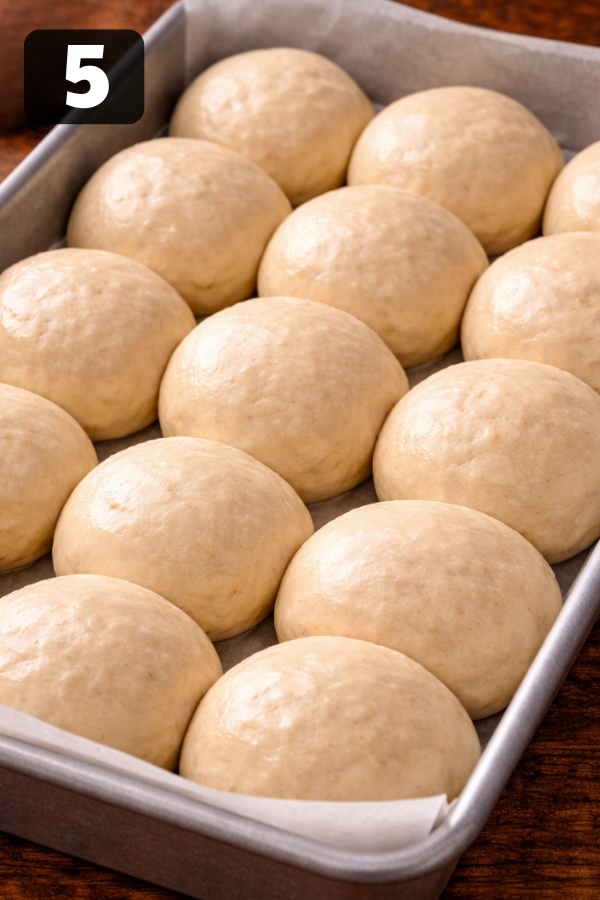
Punch down the dough (yes, literally punch—very satisfying). Divide into 12–15 equal pieces.
Roll each into a smooth ball by tucking edges underneath and rolling gently against the counter.
Place in a greased 9×13-inch baking dish. Leave slight space between each—they’ll expand.
Step 6: Second Rise
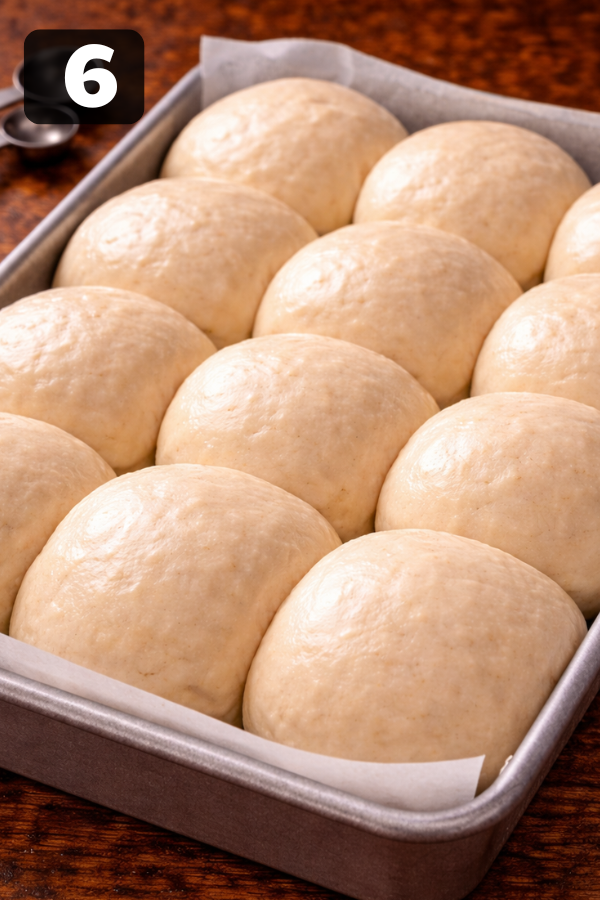
Cover and let rise again for 30–40 minutes until puffy.
They should touch slightly. That’s what creates those soft pull-apart sides.
Step 7: Bake
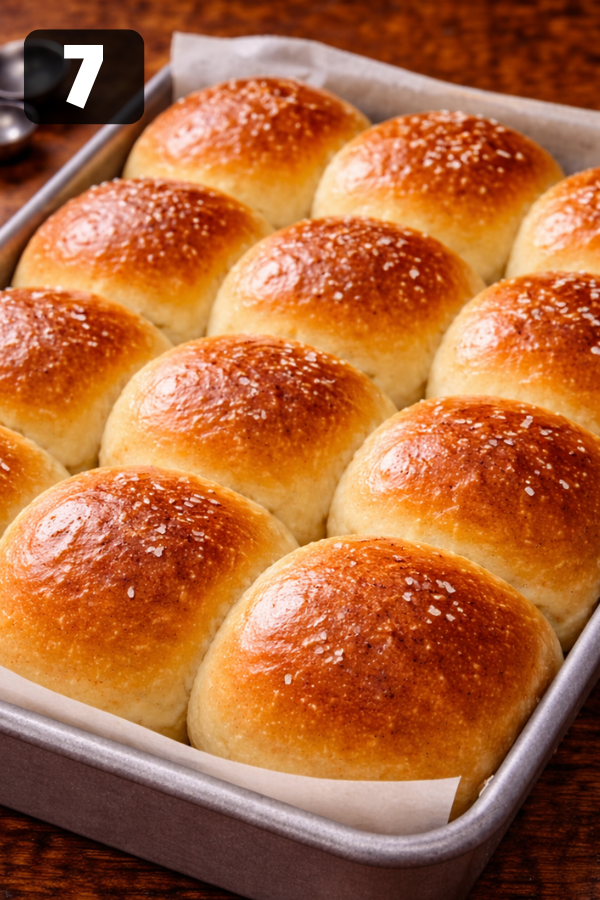
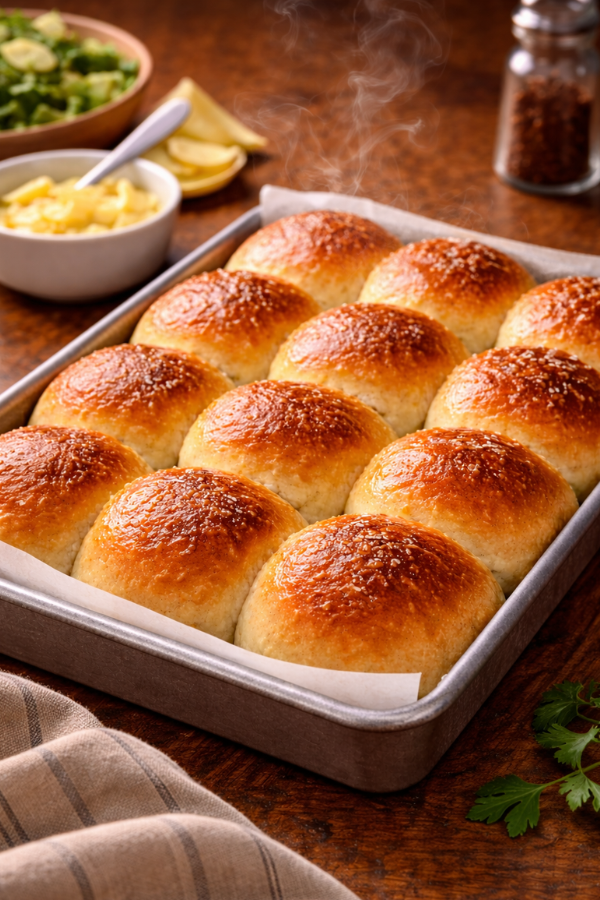
Bake at 375°F for 15–18 minutes until golden brown.
The tops should feel lightly firm but not hard. If you tap one, it should sound hollow-ish.
Step 8: Finish Like a Pro
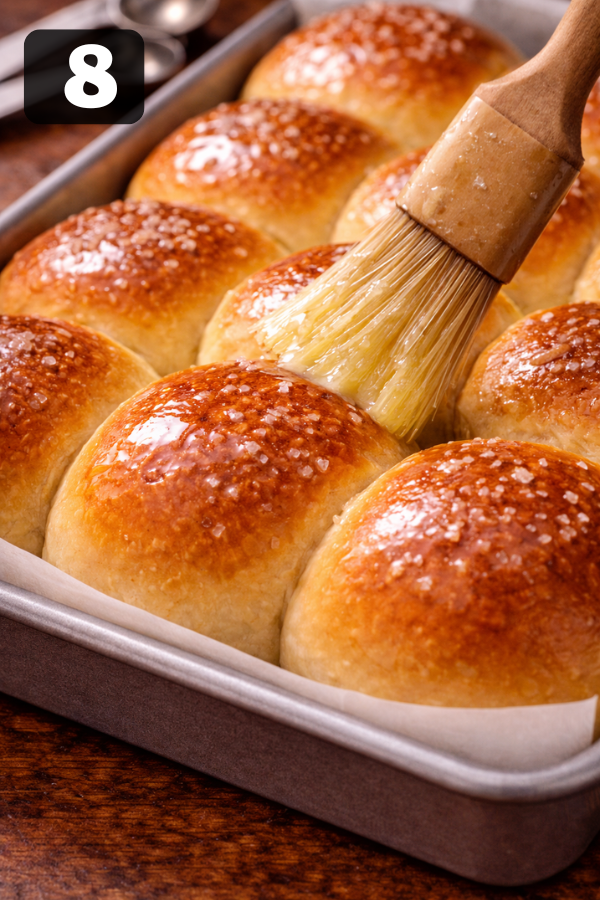
Brush with melted butter while warm.
That’s the difference between good and wow.
Common Problems And How to Fix Them
Rolls Are Dense
Likely cause: too much flour or under-proofed dough.
Fix: measure flour by spooning into cup and leveling off. Or better yet, weigh it (around 120g per cup).
Dough Didn’t Rise
Possible causes:
- Expired yeast
- Liquid too hot
- Kitchen too cold
Quick tip: yeast thrives at about 75–85°F room temp.
Tops Too Dark, Too Fast
Your oven may run hot (many do).
Loosely tent with foil halfway through baking.
Make-Ahead & Freezer Tips
You can:
- Freeze baked rolls for up to 3 months
- Freeze shaped, unbaked rolls before second rise
- Refrigerate dough overnight after first rise
To reheat: wrap in foil and warm at 300°F for 8–10 minutes.
They taste freshly baked again. Almost suspiciously fresh.
What to Serve with Easy Homemade Dinner Rolls
These rolls are versatile.
Serve them with:
- Chicken noodle soup
- Beef stew
- Chili
- Roast chicken
- Holiday turkey
Or split one and use it for a breakfast sandwich. Add scrambled eggs and cheese—done.
Sometimes the simplest bread becomes the most useful part of dinner.
Nutrition Snapshot
- Calories: 140
- Carbs: 24g
- Protein: 4g
- Fat: 4g
- Sugar: 3g
Pair with protein and vegetables for balance. Bread isn’t the enemy—it’s the company it keeps that matters.
FAQs
1. Can I use instant yeast instead of active dry?
Yes. Skip the proofing step and mix directly with dry ingredients. Rise time may be slightly shorter.
2. Can I make these dairy-free?
Absolutely. Use plant-based milk and swap butter for olive oil or vegan butter.
3. How do I make them sweeter?
Add an extra tablespoon of sugar or brush tops with honey butter.
4. Can I turn these into slider buns?
Yes—shape slightly larger and bake a minute or two longer.
5. Why are they sticky?
Dough should be slightly sticky before kneading. If it’s very sticky after kneading, add flour 1 tablespoon at a time.
A Small Thought Before You Go
There’s something calming about bread. It forces you to slow down, just a little. And in a busy house, that’s not nothing.
An Easy Homemade Dinner Roll isn’t just a side—it’s a small win. Warm bread on the table says, “We’re doing okay.”
And honestly? That matters.
Don’t Miss: EASY CROCKPOT CHICKEN AND RICE
Ingredients
Method
- Wake Up the Yeast Combine warm water, warm milk, sugar, and yeast in a bowl. Let it sit for 5–10 minutes until it gets foamy. No foam? The yeast may be old—or the liquid too hot. It happens. Better to find out now than later.

- Add the Good Stuff Stir in melted butter and salt. Then add flour gradually, one cup at a time. The dough should feel soft and slightly sticky—not dry. If it feels stiff, you added too much flour. It’s okay. Just remember next time: flour sneaks in fast.
- Knead (But Don’t Overthink It) Knead for 5–8 minutes until smooth and elastic. You’re looking for dough that springs back gently when pressed. If you’ve ever kneaded pizza dough, this is similar—just softer.
- First Rise Place dough in a greased bowl. Cover with a towel and let it rise in a warm spot for about 60 minutes. It should double in size. No warm spot? Turn your oven light on and let the bowl sit inside. Works every time.
- Shape the Rolls Punch down the dough (yes, literally punch—very satisfying). Divide into 12–15 equal pieces. Roll each into a smooth ball by tucking edges underneath and rolling gently against the counter. Place in a greased 9×13-inch baking dish. Leave slight space between each—they’ll expand.
- Second Rise Cover and let rise again for 30–40 minutes until puffy. They should touch slightly. That’s what creates those soft pull-apart sides.
- Bake Bake at 375°F for 15–18 minutes until golden brown. The tops should feel lightly firm but not hard. If you tap one, it should sound hollow-ish.
- Finish Like a Pro Brush with melted butter while warm. That’s the difference between good and wow.
